
Table of Contents
Should you peel oranges before juicing? It depends on your goal and your juicer. Peeling reduces bitter compounds and pith, yielding a sweeter juice, but you’ll lose zest oils that brighten aroma. Thinner peels or light zesting can add complexity without overwhelming bitterness, especially with slow, masticating juicers. For bright, clean juice, peel or trim only the outer rind. If you want aroma and depth, small zest exposure works. Curious how to pick the best approach for your setup?
Should You Peel Before Juicing? Quick Answer and When to Peel

Peeling before juicing isn’t strictly necessary for all citrus, but it matters depending on the fruit and your goals. You should consider peel thickness when deciding to peel; thicker peels add bitterness and can alter mouthfeel, while thinner peels contribute brightness with minimal texture changes.
Peel color informs your choice: vibrant orange or reddish tones often indicate higher pigment compounds that can affect flavor and aroma, possibly altering the perceived sweetness. If you aim for a cleaner juice with less bitterness, peel selectively, targeting segments near the pith and avoiding white membranes.
For maximizing polyphenols and zest-derived oils, partial or full peeling may be advantageous. In general, preserve peel when you want more aroma and nutrients; remove it when you seek smoother, milder juice.
Juicer Types: How Centrifugal, Masticating, and Citrus Presses Handle Peels
Centrifugal, masticating (cold-press), and citrus-press juicers each handle peels differently due to their core mechanisms.
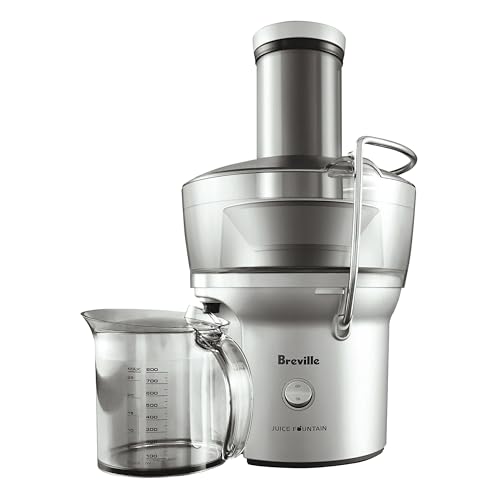
In centrifugal models, quick shredding exposes more peel to blades, risking higher bitterness unless you peel first. Peel preservation is limited, and you should remove peels to prevent tunneling aromatic oils.
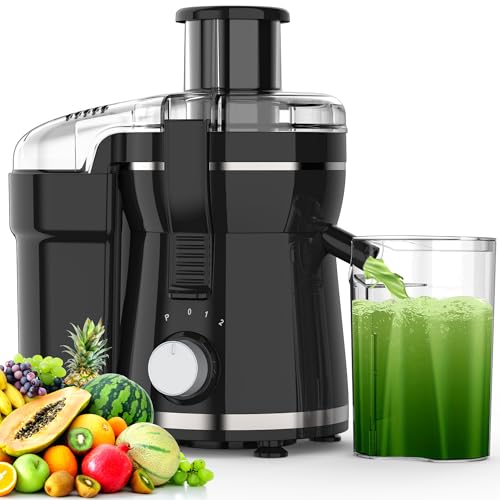

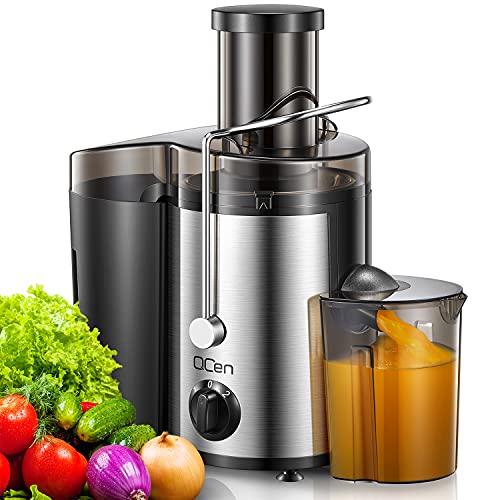


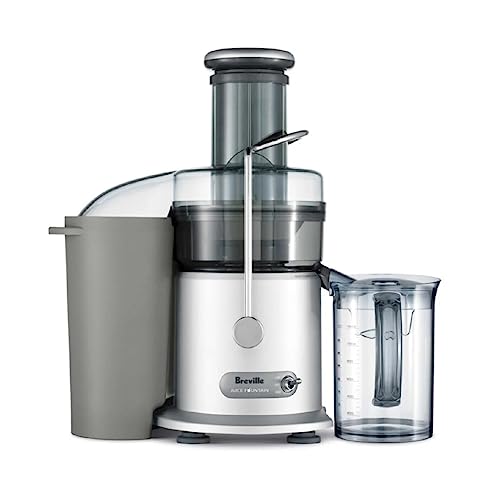

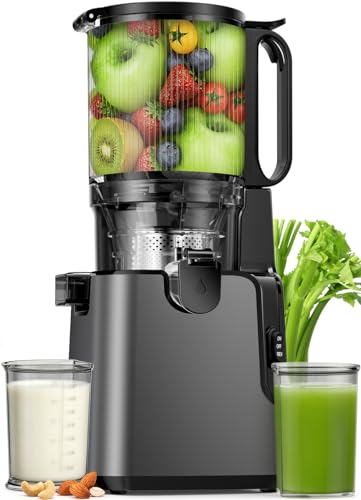
Masticating juicers grind and squeeze, using augers that trap most peel in the hopper. This design favors peel preservation when peels are fresh but still requires some peel removal to minimize fiber overload and enzyme activity that can affect clarity.
Citrus presses operate with minimal crushing, often yielding cleaner juice with less pulp. Peels are largely avoided, but light removal ensures smoother extraction.
Choose based on desired texture and your tolerance for peel-derived oils.




Peel Effect on Flavor: When Zest and Oils Help or Hurt
Zest and essential oils can dramatically alter juice flavor, either brightening it with citrus notes or introducing bitterness if overextracted. You’ll influence this balance by how you handle the peel.
Thinner zest increases aromatic oils without substantial bitterness, while thicker peel risks pulling bitter limonene compounds into the juice. In practical terms, you should focus on controlled zesting or light peeling to maximize zest contribution without oversaturation.
Peel thickness matters because it determines oil release versus bitter compounds. When you include zest, monitor extraction duration; short contact minimizes off-notes.
The result should maintain juice clarity, with visible pulp and minimal oily films. If you’re aiming for a clean, bright profile, favor minimal peel contact and test small batches to calibrate your technique.
Quick Methods: Peel, Zest, or Leave the Peel On
You’ll weigh how peeling alters flavor notes, from subtle citrus oils to the oral sensation of zest versus juice. Compare zest’s concentrated aroma and the oils’ impact with peel-on juicing, noting how each method shifts acidity, bitterness, and aroma release.
We’ll outline practical pros for peel-off, zest-friendly, and peel-on approaches to guide your juicing choice.
Peel Impact On Flavor
Have you considered how the peel alters juice flavor before you press? The peel contributes compounds that can tint aroma and taste.
Thicker peels release more bitter limonoids, while thinner peels favor sweeter citrus notes. If you opt to leave the peel on, expect a more intense, resinous profile, with hints of floral zest depending on variety.
Peel thickness matters: lightly peeled fruit minimizes oil transfer, yielding balanced sweetness and acidity.
Peel color signals carotenoid content, which can subtly influence perceived sweetness and aroma stability.
When using the peel to adjust flavor, control exposure time and pressing force to avoid over-extraction.
For most everyday juicing, moderate removal preserves clean citrus notes while reducing bitterness.
Zest Versus Oils
When choosing between zest, oils, or leaving the peel on, consider how each form changes aroma and bitterness. Zest releases concentrated citrus oils from the outermost layer, delivering bright, floral notes with minimal bitterness.
Oils, expressed from the zest or peel, provide a broader aromatic range and a smoother, more persistent finish, but can intensify resinous bite if overused.
Leaving the peel on yields milder aroma intermediates and some mouthfeel from membranes, with less pronounced zest oils impact.
Orange peel contains both volatile compounds and bitter limonin precursors; zesting thinly minimizes bitterness while maximizing fragrance.
For juice, zest contributes brightness without excessive tannin-like bitterness; oils boost complexity but demand restraint.
Balance by small, incremental additions, tasting frequently to align aroma and bitterness with your goal.
Peel-On Juicing Pros
Peel-on juicing preserves more of the peel’s aroma and textural contributions, offering a practical option when speed matters. You retain delicate citrus oils that boost aroma and mouthfeel without extra prep.
In practice, you’ll extract juice quickly while still capturing peel-derived compounds that add brightness, complexity, and a subtle bitterness that can balance sweetness. This method suits high-volume juicing or when you want to maximize the peel’s contribution without grating or zesting.
Consider peel nutritional benefits, though the exact gains depend on variety and handling; you’ll still receive fiber and polyphenols present in the outer layer.
For storage, use peel storage tips: keep peels refrigerated or frozen if you’re not juicing immediately, and avoid cross-contamination with other produce.
How to Implement by Setup: Step-by-Step for Popular Juicers
Setting up a juicer for oranges starts with choosing the right machine and preparing the fruit, then following a clear, equipment-specific workflow.
Select a juicer with variable pulp control and minimal heat generation to preserve volatile compounds. Attach the appropriate feed chute and verify nozzle clearance for juice versus pulp separation.
Prepare oranges by washing and applying a consistent peel thickness—trim only the colored zest, avoiding the white pith when possible to minimize bitterness. Feed segments in a steady, downward motion; maintain even pressure without crushing.
For citrus-specific models, use the reamer or segmented attachment to optimize peel preservation around the juice cells.
After running, decant, sample, and document yield. Clean components promptly to prevent residue buildup.
Tailor the setup to your model for repeatable, high-quality juice.
Troubleshooting: Bitterness, Clogging, and Texture Fixes
If bitterness appears, identify its source—likely excessive zest or pith contact, thermal degradation, or improper separation of juice from solids—and address it quickly by adjusting prep and processing.
You’ll fix texture and clogging by controlling pulp, seeds, and rind exposure, while aiming for clean peel removal to protect flavor enhancement.
- Minimize zest contact; trim zestless segments to reduce bitterness
- Remove visible pith before processing to prevent bitter residues
- Control temperature to avoid flavor degradation during extraction
- Strain fine particulates to prevent clogging in the juicer
- Refrain from over-processing; short pulse runs preserve texture and clarity
How to Choose for Your Taste and Equipment
Your choice of peel thickness and aroma directly shapes flavor, aroma, and mouthfeel, so test how a thinner or thicker peel alters sweetness and bitterness for your palate.
Consider how your juicer design and settings interact with peel size, oils, and texture to match your equipment and desired strength.
Start with small adjustments, document results, and aim for a consistent flavor profile that suits both your taste and tool.
Peel Impact On Flavor
Peeling the orange dramatically changes flavor perception, since the zest contains essential oils that can skew aroma and bitterness if included in juice. You’ll notice peel aroma shifts the balance between fruity sweetness and bitter notes, and peel thickness modulates intensity.
For sweeter profiles, remove only the outer rind with minimal pith; for more complex, slightly bitter juices, allow a thin layer of zest. Practical tests show thinner peels deliver brighter citrus without overpower, while thicker peels add tannic depth and resinous hints.
When choosing, consider your equipment: slower juicers extract more surface oils, so lighter peels work best. Adjust by eye and taste, then standardize portions to reproduce results consistently.
- Peel thickness guides intensity
- Peel aroma influences aroma-balance
- Thin peels for brightness
- Thick peels for depth
- Test and standardize portions
Equipment And Taste Match
Choosing the right equipment for your taste starts with matching juicer design to flavor goals. Different juicers extract varying amounts of zest and fiber, so pick a model that aligns with your preferred texture.
For bright, clean citrus, a machine that minimizes peel contact reduces bitterness and preserves aromatic compounds. If you favor more complexity, a slower, masticating unit can handle slight peel inclusion without overextraction.
Consider peel thickness and peel color as cues: thicker peels and darker peels often signal more bitter oils, guiding your choice toward gentler processing or pre-segmentation.
Test with small batches to compare yield, aroma, and mouthfeel. In practice, adjust settings and pre-treatment to balance sweetness,酸 acidity, and aftertaste, achieving consistent taste matching across uses.
Frequently Asked Questions
Do Peels Add More Nutrients Than Juice Alone?
Peels don’t drastically outperform juice; you gain fiber and antioxidants from peels, but risk bitterness and pesticides. In nutrient comparison, juice concentrates vitamins; peel health benefits come from flavonoids and limonoids, yet overall citrus juice remains nutrient-dense. Consider balanced consumption.
Can Peels Cause Allergies or Sensitivities?
Peels can trigger peel allergies or sensitivities in some people. You might react to citrus compounds or pesticides. If you’re unsure, start with small amounts, monitor symptoms, and consult a clinician to assess risks and alternatives.
Are There Citrus Varieties Where Peeling Is Essential?
Yes, certain citrus varieties require peeling to avoid bitterness; consider peel thickness and flavor impact when deciding. You’ll notice thicker peels dampen sweetness, while thin peels preserve bright acidity—peeling becomes essential for specific varieties and desired flavor profiles.
How Do Peels Affect Shelf Life of Fresh Juice?
Peels slightly reduce shelf life by introducing oils and enzymes; you should monitor peel texture. Peel removal methods that minimize exposure, like quick hand-peeled juicing or light scoring, preserve freshness and reduce oxidation.
Is Peeling Necessary for Frozen Orange Concentrates?
Peel removal isn’t strictly necessary for frozen orange concentrates, but it helps flavor enhancement by reducing bitterness. You’ll preserve clarity and texture, while slight residue can affect viscosity; if you want smoother juice, peel before processing.
Conclusion
Peel decisions depend on your goals and equipment. If you want brighter, citrus-forward juice, peel sparingly or zest lightly; if you crave milder sweetness, leave more of the peel on or skip it altogether. Choose a juicer type that suits peel handling, and test small batches to avoid bitterness or clogging. In practice, balance flavor, texture, and oil content—peel can either amplify character or sour your results, like a key that fits or jars the lock.