

Juice cleanses promise quick fixes, but the science isn’t so tidy. You’ll likely feel a temporary energy bounce or weight change, yet these shifts come from how much produce you’re consuming rather than toxins leaving your body. Sustainable health rests on steady meals, hydration, activity, and sleep, not gimmicks or extreme restriction. If you’re curious about what really works, you’ll want to weigh the evidence and consider safer, practical steps that fit your life.
What Is a Juice Cleanse and Detox?
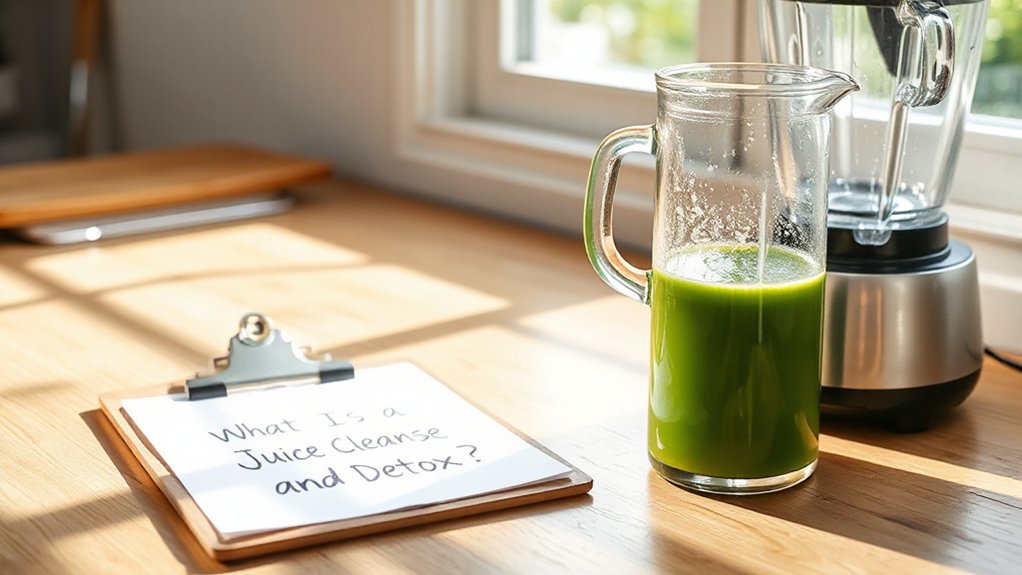
A juice cleanse is a short-term diet that involves consuming only fruit- and vegetable-based juices, often for several days, with no solid foods. You’ll typically choose a range of ingredients to create balanced flavors and nutrients, aiming for hydration and a break from processed meals.
In practice, it’s less about magical detox and more about routine—reducing solid food intake, monitoring calories, and observing how your body responds. Flavor combinations matter, because pleasant tastes can support adherence and mood during the cleanse.
Practical success relies on planning, timing, and safety, including staying hydrated and pausing if you feel unwell. When you order or prepare kits, consider juice packaging’s clarity and labeling to guarantee ingredients align with your goals and preferences.
What the Science Says About Detox Claims
Evidence on detox claims is clear: there’s no magic detox mechanism that accelerates toxin elimination beyond the body’s own organs (liver, kidneys, lungs) and natural processes. You deserve accurate guidance, not hype.
Scientific reviews show most detox products, including many herbal remedies, offer no proven advantage for toxin removal in healthy people. Any short-term weight loss comes from reduced calories or water loss, not a true cleanse.
Fasting myths can trigger temporary discomfort or electrolyte imbalance, and aren’t a substitute for balanced nutrition.
If you’re curious about detox, focus on evidence-based habits: adequate hydration, fiber-rich foods, regular activity, and sleep.
Approach claims with skepticism, ask for solid data, and prioritize your long‑term well‑being.
Short-Term Benefits of Juicing: and Why They Don’t Last
You’ll often notice a short-term energy dip after juicing, followed by a quick sugar crash as your body adjusts. These swings reflect filling up on concentrated sugars with little fat or protein to steady you, not lasting nourishment.
Over a few hours, you may also miss out on nutrients that require chewing and digestion to optimize absorption.
Short-Term Energy Dip
Short-term energy dips are common after a juice cleanse, but they’re usually temporary rather than a sign of lasting harm. You may notice fatigue as your body adjusts to reduced calories and a shift in macronutrient balance.
This dip often stems from lower carbohydrate intake and changes in hydration, not from toxins escaping your system. To support recovery, prioritize balanced meals between juice sessions, focusing on fiber, protein, and healthy fats.
Hydration matters, too—water and electrolytes help stabilize energy. If you’re choosing flavors, experiment with flavor combinations that include gentle carbs and protein-rich snacks to sustain momentum.
Remember juice preservation basics: store freshly made drinks properly and avoid extended exposure to heat. With a thoughtful approach, you’ll regain steady energy without sacrificing your sense of belonging.
Sugar Crash Reality
Ever wonder why the quick energy from a juice rush often fades soon after you sip? The sugar crash reality isn’t a mystery, it’s physiology. Juices deliver simple sugars that spike your blood glucose fast, then trigger insulin to bring levels down just as quickly.
That roller coaster can spark sugar cravings and energy fluctuations, creating a false sense of sustained vitality. You’re not broken—you’re human, reacting to a built-in metabolic pattern.
Short-term gains come from calorie and fluid intake, not lasting metabolic changes. To dampen the cycle, pair juice with protein or fiber, hydrate steadily, and plan meals that balance macros.
Awareness matters; small, steady choices reduce crashes and foster a sense of belonging to a healthier routine.
Nutrient Absorption Gaps
Juicing delivers a quick influx of nutrients, but the absorption story isn’t fully immediate or complete. You’ll notice a spike after a juice, yet many micronutrients rely on interactions with fiber, fat, and meal context for best uptake.
Short-term gains can feel impressive, but they don’t guarantee sustained nutrient status without ongoing, balanced eating. Some vitamins degrade if juice sits too long or is exposed to light and air, so efficiency depends on freshness and storage.
Also, your gut’s microbiome influences how you utilize flavonoids and minerals, meaning individual responses vary.
When you plan flavors, consider flavor combinations that support absorption rather than simply taste.
Be mindful of juice preservatives and added sugars, which can undermine perceived benefits and long-term adherence.
How Juices Fit Into a Balanced Diet (Not a Meal Replacement)
Juices can fit into a balanced diet when they’re used to supplement meals, not replace them, and when you choose varieties that add fiber, protein, and micronutrients rather than just calories.
You’ll benefit from thinking of juice as a complement, not a main event, so it supports dietary balance alongside whole foods. Favor options that preserve pulp, include plant-based protein, and bring vitamins, minerals, and phytochemicals.
Pair a glass with meals that already have fiber and protein to slow absorption and sustain energy. Be mindful of portion sizes and sodium, sugar, and overall calorie impact.
Prioritize juice quality and variety, and use juice strategically to boost nutrition on busy days without sacrificing variety or fullness.
Common Myths About Cleansing Debunked
Common myths about cleansing persist, but the evidence helps separate fact from fiction. You’ll see how cleansing claims stack up against what science actually shows about detoxing, metabolism, and nutrient intake.
We’ll compare popular ideas to what research says about juicing, fasting, and overall health outcomes.
Debunking Cleansing Myths
Many cleansing claims are overhyped, but understanding the evidence helps you separate fact from fiction. You’ll find that most detox claims don’t reflect how your body works, and sensational juice promises don’t replace balanced habits.
In practice, Detox myths tend to center on rapid weight loss, instant toxin elimination, or dramatic energy shifts, yet rigorous studies show limited support for these outcomes from short cleanses.
Juices can provide vitamins and hydration, but they can also lack protein, fiber, and sustainable calories.
Juice misconceptions often arise from cherry-picked data or marketing-friendly timings.
A pragmatic approach asks: what’s the total diet, what’s feasible long term, and what supports health without deprivation?
Your informed choices matter for lasting well-being and community confidence.
Detox Misconception Clarified
Detox myths persist because quick fixes market well, but the evidence doesn’t support dramatic cleanse claims. You deserve clarity, not hype, so let’s separate fact from fiction. Cleansing isn’t about shortcuts; it’s about steady habits that support your body’s natural balance.
Herbal teas can be soothing and hydrating, yet they don’t purge toxins beyond ordinary metabolism.
Mindfulness practices help you notice cravings, reduce stress, and improve choices without overhauls.
A practical approach centers on balanced meals, adequate hydration, regular activity, and sufficient sleep.
If you’re seeking belonging, share your goals with trusted friends or a clinician to maintain accountability.
- Herbal teas play a supportive role but aren’t magic cures
- Mindfulness practices aid sustainable decisions
- Focus on consistent, evidence-based habits
- Seek community support for accountability
Juicing vs Reality
Juicing sounds like a quick fix, but the reality is more nuanced. You’re not alone in hoping a glass can reset habits, yet evidence shows benefits mostly from increased vegetable intake, not a magical cleanse. If you juice, view it as a supplement, not a substitute for meals or balanced calories.
Common myths—detox cures, rapid fat loss, or lasting energy boosts—aren’t supported by science. Practical value comes from consistent fiber intake when you include whole fruits and vegetables, and from mindful portions that fit your day.
Flavor combinations matter for adherence, so mix greens with fruit, ginger, or herbs you enjoy. Choose reliable juice equipment, clean regularly, and don’t overconsume.
Sustainable routines beat short-term detox hype every time.
Risks of Cleansing and Who Should Pause
Cleansing and detox diets can carry real risks, especially for certain groups, so it’s important to weigh benefits against potential harms. You may wonder if these programs fit your life, but safety matters first. For some, cleansing can worsen conditions or trigger dangerous nutrient gaps, so pause and reassess if you have diabetes, pregnancy, eating disorder history, or take medications that interact with drastic changes.
You’re not alone in seeking clarity; many people share concerns about cleansing myths and nutrition myths. Slow, evidence-based choices beat hype, and a balanced diet supports energy and mood without extreme restrictions.
- Short-term weight changes don’t reflect lasting fat loss and can derail routines
- Extended juice-only periods risk electrolyte imbalances and fatigue
- Medication interactions and underlying conditions require medical input
- Reintroducing foods abruptly can cause GI distress or cravings
A Practical Guide: Questions to Evaluate Detox Claims
Before you commit to a detox, take a practical step: ask clear, evidence-based questions to scrutinize the claims. Start with: Is there credible science behind this, and who funds it? What’re the realistic detox timelines and measurable outcomes? How do ingredients affect nutrition, safety, and hydration? Check for transparent methodologies, potential conflicts of interest, and whether claims exceed data.
Seek practical expectations: are results temporary or sustainable, and what happens after completion? Consider costs, accessibility, and convenience without overpromising.
When planning juices, think about flavor combinations that respect variety and balance, not gimmicks. Also confirm how long to store and how to store juice safely, i.e., juice storage practices.
This grounded approach helps you belong to a community that values evidence.
Real-World Alternatives for Resetting Your Habits
Many credible alternatives help reset habits without extreme detoxes, focusing on sustainable behavior changes rather than short-term fixes. You can build consistency by small, doable steps that fit your life, boosting mental clarity and overall well‑being through practical habit design.
Mindful eating becomes a default: slower meals, savoring flavors, and recognizing hunger cues. You’ll likely notice clearer thinking when you reduce mood-disrupting swings from sugar spikes and dehydration.
Pair nutrition with sleep, movement, and stress management for durable change. The goal is belonging through shared routines and realistic goals rather than perfection.
- Start with one habit at a time and track progress
- Prioritize hydration and balanced meals for steady energy
- Practice mindful eating during one daily meal
- Create supportive, accountability-minded routines
A Sustainable, Evidence-Based Approach to Detox
Start with a clear baseline: eat nourishing foods, stay hydrated, move regularly, and get adequate sleep.
Evidence suggests modest, consistent changes outperform drastic detoxes.
Prioritize lifestyle integration—choose routines you can maintain long term, like meal planning, mindfulness, and stress reduction.
Track outcomes you care about, such as energy and mood, rather than fleeting sensations.
Avoid unproven supplements and extreme fasting.
Seek guidance from reputable sources and clinicians when needed.
This approach honors your belonging in a health-minded community while emphasizing practicality, safety, and measurable progress.
In time, detox becomes part of a balanced, resilient lifestyle.
Frequently Asked Questions
Do Juice Cleanses Remove Toxins From the Body?
Detox myths aside, juice cleanses don’t reliably remove toxins; your body does. You can support it by maintaining Nutrient balance, staying hydrated, and prioritizing evidence-based habits. If you’re exploring, consult a professional for personalized guidance and belonging.
Can Juicing Replace Meals for Weight Loss?
Short answer: juicing can’t reliably replace meals for sustainable weight loss. You’ll likely struggle with appetite and nutrient balance. If you pursue it, guarantee a calorie deficit and consider meal replacement strategies within a balanced plan for belonging and consistency.
Are All Juice Ingredients Equally Nutritious?
Not all juice ingredients are equally nutritious; fruit combinations and vegetable varieties matter. You’ll maximize nutrients by pairing fiber-rich produce with greens, ensuring balanced sugars, and prioritizing whole foods alongside juicing for evidence-based results.
How Long Should a Cleanse Realistically Last?
Envision this: you’ll feel balanced if your cleansing lasts realistically 1–3 days. You should limit fasting duration, vary Juicing recipes, and listen to your body to avoid extremes and preserve sustainable wellbeing.
What Signs Indicate a Cleanse Is Harming Health?
Signs a cleanse harms health include dizziness, severe headaches, weak energy, electrolyte imbalances, and prolonged constipation or diarrhea. Avoid detox myths, prioritize hydration importance, and seek medical advice if symptoms persist or worsen during your cleanse.
Conclusion
If you’re chasing a quick fix, pause and weigh the evidence. Juices can boost veggies and fiber, but they won’t detox faster than your liver and kidneys can handle. A sustainable approach mixes balanced meals, hydration, movement, and sleep. Watch for nutrient gaps and sugar spikes, and don’t rely on cleanse claims alone. Think long term, not instant results—this isn’t magic, it’s steady, real progress you can trust. In the end, you’ll be better off for sticking with proven habits.