

Juicing can seriously turbocharge your vitamin intake, but it’s not a miracle cure and you shouldn’t expect it to replace whole foods. You’ll get concentrated nutrients and quick energy, yet you lose fiber and sometimes pay a sugar price – so portion control matters, right? Want to sneak more greens into your day? Then go for it, just be smart about combos and balance with whole fruits, veggies and some protein.

What’s the Big Deal About Juicing?
Ever wonder why juicing grabbed so much attention? It delivers a concentrated shot of vitamins and phytonutrients fast, so you can get the equivalent of 2-3 servings in an 8 oz glass – which often means 100-200 kcal and 20-30 g sugar depending on ingredients (8 oz orange juice is about 110 kcal and ~21 g sugar). You absorb some nutrients quicker, which helps if you’re short on time or recovering, but you trade away most insoluble fiber, so it’s a trade-off you’ve got to manage.
The Benefits You Might Not Know
Want benefits beyond “more veggies”? Juices can concentrate nitrates, polyphenols and carotenoids – for example, beet juice has been shown in short-term studies to lower systolic blood pressure by roughly 4-10 mmHg, and carrot or sweet potato juice boosts bioavailable beta-carotene for eye health. You’ll also pick up quick electrolytes like potassium, so a green juice after a hard workout can hydrate faster than plain water for some people.
Juicing vs. Whole Fruits and Veggies – What’s the Difference?
How does juicing really compare to chewing your produce? Whole fruits and veggies keep 3-5 g of fiber per serving (a medium apple has about 4 g), which slows digestion and blunts blood sugar spikes; juicing strips most insoluble fiber so an 8 oz glass often delivers similar sugars but far less fiber, hits your bloodstream faster and won’t keep you full as long – which can lead to extra snacking and calories if you’re not careful.
Want practical tips on using juice without overeating sugar? Treat juice as a supplement, not a meal, and favor veggie-heavy blends (spinach, cucumber, celery) over fruit-only mixes to cut sugar; pair your drink with a handful of nuts or a spoon of nut butter to slow absorption and boost fat-soluble vitamin uptake.
Treat juice as a supplement, not a meal.
If you want fullness and fiber, blend instead of juicing so you keep the pulp and get a steadier energy release.
Is Juicing Actually Healthy or Just a Trend?
This matters because you’re weighing a quick fix against daily habits – are you sipping something that actually helps your goals or just following buzz? If you’re replacing meals with juice, or using it to cram veggies into a busy day, the nutrient trade-offs – and the effects on your blood sugar, wallet and teeth – matter to you more than the trend itself. So let’s get specific.


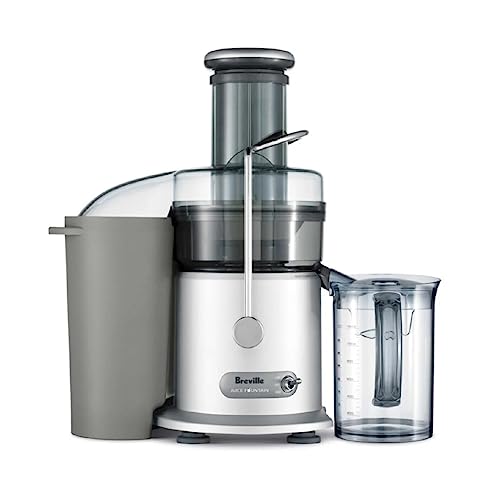
The Good Stuff: Nutritional Benefits
You get concentrated vitamins and phytonutrients fast, which is handy when you’re short on time; for example, an 8-oz glass of orange juice can supply about 100% of your daily vitamin C, and carrot or tomato juices deliver beta-carotene and lycopene respectively. It’s hydrating, often packs potassium and folate, and can be an easy way to sneak in 2-3 servings of vegetables when you wouldn’t eat them otherwise-great post-workout fuel or a quick nutrient boost.
The Not-So-Good Stuff: Potential Downsides
You lose most of the fiber when you juice-often around 90-95%-so juices don’t fill you like whole fruits and veggies do. Sugars get concentrated too: a 12-oz fruit-veg blend can contain 20-40 g of sugar, which may spike your blood glucose, and because juice lacks protein and fat you’ll be hungry again soon. Want weight control or steady energy? That matters.
Some studies link frequent fruit-juice intake with modest weight gain and higher fasting glucose, and dentists warn about enamel erosion from acidic, sugary drinks. Unpasteurized fresh juices have been tied to E. coli outbreaks, and if you’re on blood thinners, green juices high in vitamin K can affect your dosing. Most of the fiber is gone.
So limit portions to 4-8 oz, pair juice with a protein or nuts, or treat juice as a supplement not a meal.
My Take on Juicing: Is It Worth It?
With the recent surge in cold-pressed bars and juice-subscription services, juicing’s back in the spotlight. If you want the short answer: it can rapidly boost micronutrient intake – a 16-oz green juice might pack 2-4 veggie servings – but it often removes 70-90% of fiber depending on the juicer and concentrates sugars and calories, with bottled options costing $6-12 each. So it’s useful as a short-term strategy or habit hack, not a long-term replacement for whole produce.
Who Should Juice?
If you struggle to hit five servings of vegetables daily, juicing can be a practical shortcut – a 12-16 oz vegetable-forward juice can deliver 2-3 servings in one go. Athletes and time-poor professionals use juice for quick carbs after workouts or to sneak in greens; choose masticating juicers to retain more nutrients and favor low-fruit recipes. Pair juice with protein or a handful of nuts so you don’t get a sugar rush and view it as a supplement, not your main meal.
Who Should Maybe Pass?
If you have diabetes, insulin resistance, or are actively cutting calories, be wary – a 12-16 oz fruit-heavy juice can contain 20-50 g of sugar and spike blood glucose quickly. People with kidney disease or on potassium-altering meds should avoid very high-potassium green blends, and kids or seniors who rely on fiber for digestion usually do better with whole fruits and vegetables. So consult your clinician before making daily juice a habit.
Clinicians often advise people with metabolic conditions to choose whole fruit because fiber slows sugar absorption; if you still want juice, keep portions to about 4 oz and pair it with protein or fat to blunt spikes.
If you’re on insulin or have advanced kidney disease, check with your provider before adding juice.
Some people do fine with an occasional vegetable-forward shot, but frequent fruit juices are the risky ones.
The Real Deal About Juice Cleanses
You’re halfway through a three-day juice plan, staring at a bottle that promises clarity and quick pounds lost – but what’s actually happening? Many commercial cleanses deliver just 400-800 calories per day, so the 2-5 lb you drop is mostly water and glycogen, not fat. You’ll get a flood of vitamins, sure, but almost no fiber and often high sugar per bottle – 30-60 g isn’t unusual – so blood sugar swings, hunger and slowed metabolism are common.
Are They a Good Idea?
You’re tempted by a quick reset, right? Short cleanses can jumpstart healthier habits for some people and force you to ditch ultra-processed foods for a few days, but they’re not a sustainable weight-loss plan; studies show rapid loss is usually regained. If you’re pregnant, underweight, or on meds like insulin or blood thinners, a cleanse can be risky. Want a real change? Pair short juice periods with solid, protein-rich meals after.
Side Effects to Watch Out For
You might feel lightheaded, irritable or have headaches within 24-48 hours – those are classic low-calorie symptoms. Other common reactions include GI upset, sugar crashes from fruit-heavy blends, and bad breath. Some people report sleep disturbances, and beyond a few days you risk muscle loss because protein intake is minimal, which can lower your resting metabolic rate and make weight regain easier.
Say you’re diabetic and take insulin – a high-fructose juice can spike glucose then crash it once the short-lived insulin response kicks in, so medication dosing becomes tricky. Prolonged low sodium or potassium from restricted diets can lead to weakness or heart rhythm issues; there are case reports of electrolyte imbalance after week-long fasts. Also, juices lack the protein and fat that keep you full, so rebound overeating after a cleanse is common and often erases any short-term gains.


Juice Hacks: Getting the Most Out of Your Juicing
Fresh juice can lose up to 50% of vitamin C within 24 hours, so you want to plan timing and storage carefully. Use airtight glass jars, fill to the top to limit air, and sip within 24 hours – sooner if you can. Cold-press yields a brighter flavor and more antioxidants, and a splash of lemon or a piece of ginger does wonders for both taste and shelf life.
Tips for Making Nutritious Juice
Juicing removes most insoluble fiber-about 90% is left behind, so you should make choices that keep your overall diet balanced. Aim for one sweet fruit per 3-4 cups of leafy greens, add a knob of ginger for enzymes, and always wash produce well.
- Rotate greens (spinach, kale, chard) to avoid oxalate overload
- Add about 1/2 lemon per liter to slow oxidation
- Use the pulp in soups, crackers, or compost to avoid waste
Thou should save pulp for baking or smoothies so nothing goes to waste.
How to Combine Flavors for the Best Taste
A medium orange supplies roughly 70 mg of vitamin C, so pairing citrus with bitter greens brightens flavor and adds vitamin C at the same time. Try carrot-apple-ginger, beet-orange-celery, or apple-kale-lemon – simple trios that balance sweet, earthy, and acidic notes. Taste as you go, tweak ratios, and don’t be shy about tossing in herbs like mint or basil for nuance.
A 2:1 greens-to-fruit ratio is a common pro rule to keep sugar in check – for example, 2 cups kale to 1 apple makes a vibrant base. Start with that, then tweak: add cucumber to mellow, a small piece of beet for earth, or a wedge of lime for lift. Want more body? Reintroduce a spoonful of pulp or blend a few seconds to keep some fiber. Try small 300 ml test batches until you nail your signature combo – you’ll get there fast, trust me.
Let’s Talk Costs: Is Juicing Breaking the Bank?
You need to know because cost often decides whether you stick with juicing – especially if you’re trying to make it a daily habit. A decent juicer runs $50 to $400, homemade juices cost about $2-$6 each depending on ingredients, and cold-pressed bottles in stores average $6-$10 for 12 oz. Do the math: one bottle a day can eat $180-$300 a month, so cost-per-serving really matters when you’re planning your routine.
Budget-Friendly Juicing Tips
If you’re watching your wallet you can still juice without breaking the bank. Try these practical moves:
- Buy in-season or frozen produce – cheaper and lasts longer
- Use high-yield greens like kale, carrots and apples for better volume
- Freeze excess fruit for smoothies or off-days to avoid waste
- Turn pulp into soups, crackers, or compost to stretch value
The small habits add up to big savings.
The True Cost of Store-Bought Juices
You pay for convenience, branding and cold-chain logistics – cold-pressed bottles usually run $6-$10 per 12 oz, while shelf-stable juices might be $3-$5. Many bottles pack 150-300 calories and 20-40 g of sugar because they rely on fruit concentrates, and you’re also missing fiber. If you buy one a day that’s roughly $180-$300 monthly, compared with $60-$120 if you DIY or blend at home.
Take a typical subscription: six bottles a week at $8 each hits about $192 a month before taxes and delivery, and that’s just cash cost – glass, refrigeration and transport are baked into the price. You should also check labels: pasteurization, added juices or concentrates and marketing claims can raise the price without adding nutritional bang. Compare per-ounce costs – store-bought around $0.50-$1.00/oz versus homemade roughly $0.10-$0.30/oz – and you’ll see what you’re really paying for.
Summing up
Ultimately, is juicing healthy for you? It can be, you get a quick blast of vitamins and more fruits and veggies, but it’s not a magic bullet, and you lose fiber and can overload on sugar if you’re not careful. So use it as a supplement, not a meal-replacement, mix greens with fruits, and pay attention to portions. You’ll benefit most when juicing complements a balanced diet.
FAQ
Q: Is juicing healthy?
A: Lately there’s been a big spike in people posting cold-pressed juice photos and trying multi-day juice cleanses, so it’s a hot topic again. Juicing can be a great way to cram more vitamins and phytonutrients into your day, especially if you’re not a veggie person, but it’s not an automatic health fix – it’s more of a tool than a miracle cure.
Whole fruits and veggies give you fiber and slow-release energy, juicing strips most of that fiber out so sugars hit your system faster. That can be fine sometimes, but if you down a big glass and you have blood-sugar issues, it might make you feel weird.
Use juicing to complement a balanced diet, not to replace meals long-term. Short-term boosts are doable; long-term exclusive juicing usually isn’t the best idea.
Q: What are the main benefits of juicing?
A: For starters, juicing makes it easy to get concentrated amounts of vitamins, minerals and antioxidants in one go. You’re talking quick absorption, and if you hate chewing kale like a goat – juices can sneak that stuff in without the chew contest.
Also, juicing can help you experiment with flavors and combos – ginger, lemon, cucumber, beet, spinach – mix it up. It’s handy after long days when cooking’s the last thing you want to do, and some people notice more energy or better skin when they add more raw plant nutrients.
And it’s a good way to up your intake during a temporary reset or when you’re recovering your veggie habit – but again, think of it as an add-on. Small glass, smart ingredients, enjoy.
Q: What are the limitations and safety tips for juicing?
A: There are a few downsides to be aware of – the biggest are loss of fiber, concentrated sugars, and calories that can add up fast if you use lots of fruit. That can spike blood sugar and mess with appetite regulation, so it’s not ideal as a daily meal replacement for most folks.
Mix more vegetables than fruit, keep portions moderate, and try blending sometimes so you keep the pulp. If you have diabetes, you take medications that affect bleeding, or you’re pregnant, check with your healthcare provider before making juicing a habit.
If you want a quick rule: prioritize leafy greens and cucumber, limit high-sugar fruits, and treat juice as a snack or supplement – not a full meal.
If you have diabetes or take blood-thinning meds, check with your doctor before starting regular juicing.