

You can make vegetables truly tasty by pairing crisp bases like cucumber or celery with bright accents such as carrots, apples, or citrus. Add fresh herbs or zests to lift aromas, and balance earthy tones with a touch of spice or acidity. Start with small batches, note what works, and tweak ratios for the finish you want. A few simple tweaks can transform veggie juice into a flavor you’ll reach for again—and you’ll want to keep exploring.
How to Pair Veggies for Delicious Juices (Step-by-Step)
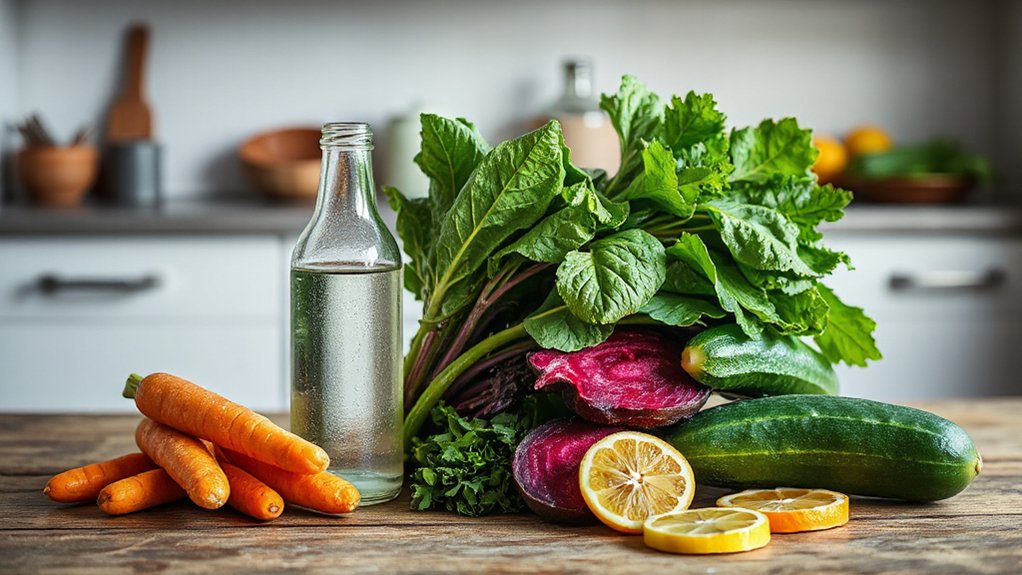
Choosing the right veggie pairings is the quickest way to boost flavor and balance in juice. You’ll start by identifying core flavors you enjoy, then build around them with complementary veggies.
Think light greens like cucumber or celery as a fresh base, and add a starchy or peppery partner to deepen flavor without overwhelming it. Favor flavors that share similar aromatic compounds to maximize flavor pairings.
Aim for nutritional balance by mixing high-water-content vegetables with fiber-rich options and a splash of color for micronutrients. Use small, repeatable ratios to maintain consistency and avoid overpowering tones.
Taste as you go, adjusting with a pinch of salt or a light herb or spice. Document your ratios for reliable, crowd-pleasing results.
Brighten Your Juices With Citrus, Mint, and Fresh Zests
Citrus, mint, and fresh zests instantly lift juice flavors by adding brightness, aroma, and a touch of natural sweetness. You’ll notice citrus infusion brightens vegetable bases without masking their core notes, helping you feel more confident in experimental blends.
Mint enhancement adds coolness and subtle complexity, especially when with cucumber, kale, or carrot. Use a squeeze of lemon or lime to wake greens, then finish with a mint leaf or two for aroma that invites second sips.
Aim for balance: a small citrus push, a gentle mint whisper, and a zest garnish on top. This approach supports a shared kitchen vibe where neighbors notice your growing skill, trust your palate, and feel inspired to try new juice pairings.
Creamy Greens: Smoothies That Hide Veggies in Flavor
You’ll start by blending greens into a smooth base to mask their flavors with creamy texture. This approach relies on balanced ratios and ingredients that contribute natural sweetness and body, so the veggies disappear as you sip.
Together, we’ll explore how small tweaks in blend and texture can keep nutrition without compromising taste.
Blending For Masked Veggies
If you’re blending greens into smoothies to mask their flavor, start with a small amount and build up. Blending is about gradual integration: you pair greens with fruits, pulses, and a splash of dairy or plant-based milk to create a smooth base.
Leverage vegetables as disguises, letting color and texture reassure your palate while the taste leans toward familiar fruit notes. Choose a balance that emphasizes sweetness over bitterness, and introduce citrus or vanilla to enhance aroma.
For consistency, use a high-speed blender and blend until velvety—no gritty bits. Keep portions simple, and notice how flavor masking supports habit formation. This approach helps you feel connected to your healthy choices, turning veggie servings into part of your everyday routine.
Creamy Texture For Flavor
Creamy textures can transform greens into appealing smoothies by smoothing out bitterness and boosting palatability. You’ll notice smoother mouthfeel when dairy enhancements balance acidity and add creaminess without overpowering greens.
If you prefer plant-forward options, nut based creams deliver similar creaminess with a gentle nutty note that enhances depth rather than masking flavor. Use these textures to support a hidden-vegetable approach: blend spinach or kale with fruits for natural sweetness, then adjust density with a splash of dairy or a spoon of nut based cream.
Aim for a silky consistency that feels indulgent but remains revitalizing. Test small batches, record what works, and build confidence in your creamy greens repertoire for everyday sipping and social sharing.
Earthy-Sweet Roots: Root and Apple Combos
You’ll notice how earthy roots like beet and carrot pair naturally with apples to balance sweetness with depth. This pairing highlights Earthy Apple Pairing and Root-Sweet Harmony, showing how tart brightness from apples can lift root flavors without overpowering them.
Start with a simple combo to chart how these flavors interact, then adjust sweetness and acidity based on your taste.
Earthy Apple Pairing
Earthy apple pairings bring out the earthy sweetness of root vegetables without overpowering them, balancing their mineral notes with crisp, bright apple tone. You’ll notice that apple adds subtle acidity and a clean finish, which helps elevate carrot, beet, and parsnip juices without masking their natural complexity.
For best results, pair a modest apple with a larger share of roots, then adjust to taste as you blend. This approach supports flavor balancing, creating a smooth, cohesive sip rather than a harsh contrast.
Studies show that balanced fruit–vegetable blends enhance perceived sweetness and satisfaction, encouraging repeat experiments in your kitchen.
If you crave warmth, a pinch of cinnamon or ginger can complement the apple without dominating the juice. Fruit pairings can feel inviting and inclusive.
Root-Sweet Harmony
- Root vegetables deliver structure and fiber
- Apple introduces crisp sweetness and aroma
- Balanced flavors invite inclusive, social sipping
- Nutrient synergy supports steady energy
- Simple, repeatable combos build confidence and belonging
Layered Color: Colorful Veggie Blends You’ll Crave
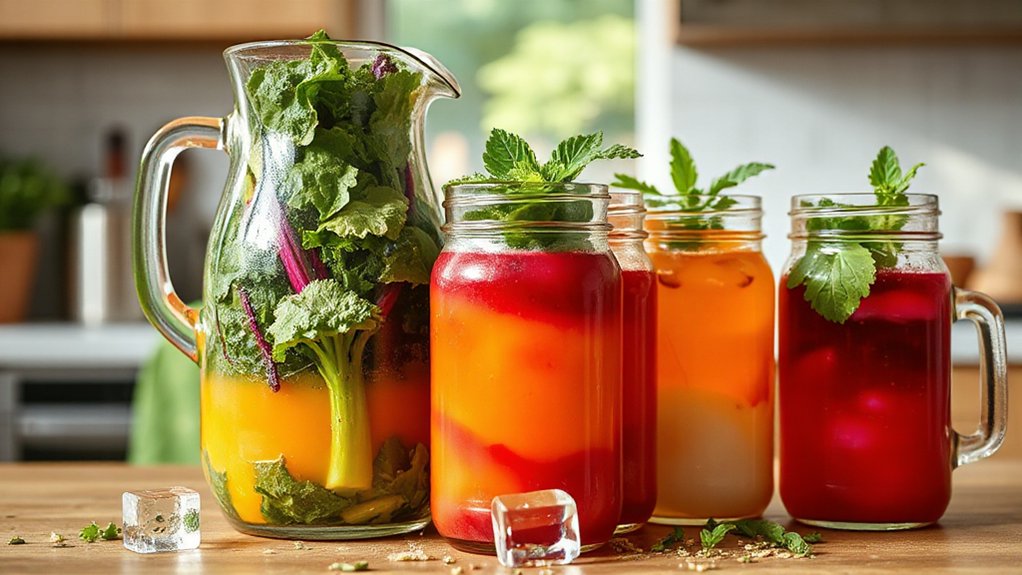
Layered Color makes veggie blends irresistible by pairing bold hues with flavors that complement each other. You’ll notice how vibrant layers invite you to sip, while each shade hints at a nutrient-rich payoff.
When you combine leafy greens with citrus, you get a bright, invigorating balance that supports vegetable nutrition without sacrificing taste. Carrot-orange sweetness meets emerald spinach for a satisfying body and texture, and a touch of beetroot adds earthiness that grounds the blend.
Use reliable juicing equipment to preserve color and maximize juice yield, then drink soon to enjoy ideal vitamins.
This approach makes you feel connected to a healthier routine, fostering belonging among fellow mixologists who value color, clarity, and practical, evidence-based results. Your next vibrant batch awaits.
Quick Customization Tips for Any Veggie Juice
Want a smoothie-spice that fits any veggie lineup? Quick customization tips keep juice inclusive and tasty, no matter what you have on hand. You’ll master flavor balancing by balancing sweet, salty, and tangy notes, then adjust with light or bold accents. Use ingredient substitutions to swap greens, fruit, or herbs based on season or preference. This approach respects your goal of belonging, inviting experimentation without feeling overwhelmed.
- Flavor balancing: dial sweetness with small fruit additions or a squeeze of citrus
- Ingredient substitutions: swap spinach for kale, cucumber for celery, or herbs for a zing
- Texture tweaks: add a splash of water or ice to reach desired consistency
- Aroma nudges: a pinch of grated ginger or mint
- Nutrient tweaks: rotate superfoods to cover micronutrients
Frequently Asked Questions
Can I Juice Vegetables and Fruits Together Without Losing Nutrients?
Yes, you can mix veggies and fruits, and you’ll still get decent Nutrient retention if you drink soon after juicing. Focus on fresh produce, cool temps, and Flavor combinations that boost palatability and support overall well-being and belonging.
Which Vegetables Best Balance Sweetness and Bitterness in Juices?
You’ll want leafy greens with mild sweetness—spinach or kale—paired with cucumber or carrot to achieve taste balance. Flavor pairing improves harmony, and you’ll notice how balancing bitterness with subtle fruit tones boosts overall flavor authenticity.
How Can I Store Fresh Vegetable Juice to Avoid Spoilage?
Preserve freshness by using proper storage containers and refrigeration methods. Seal tightly, chill promptly, and avoid light exposure to reduce spoilage; label with date, then sip within 48 hours for best flavor and safety. You’ll notice confident belonging.
Do Vegetable Juices Require a Blender or Juicer for Best Results?
You don’t need both; a juicer better preserves nutrients and yields smoother juice, while a blender works with water to create a nutrient-dense smoothie. Choose Juicing equipment for Nutrient retention and consistency, depending on texture you prefer.
Are There Safety Concerns With Juicing Leafy Greens Daily?
Like a steady heartbeat, you wonder: leafy greens safety? Daily juicing concerns exist, but with varied greens, moderate amounts, and balanced nutrition, you’re fine. Maintain variety and monitor safety guidelines to stay confidently healthy.
Conclusion
You’ve learned how to pair veggies for vibrant, tasty juices using base veggies, bright accents, and careful balance. Start with cucumber or celery, add carrot or apple for sweetness, and finish with mint or citrus zest for aroma. Keep adjusting ratios and note what works. Example: a 1:1 cucumber-to-apple blend with a splash of lemon and a mint leaf became a revitalizing, crowd-pleasing charger at a community lunch, proving simple tweaks reveal flavorful veggie juice success.