
Table of Contents
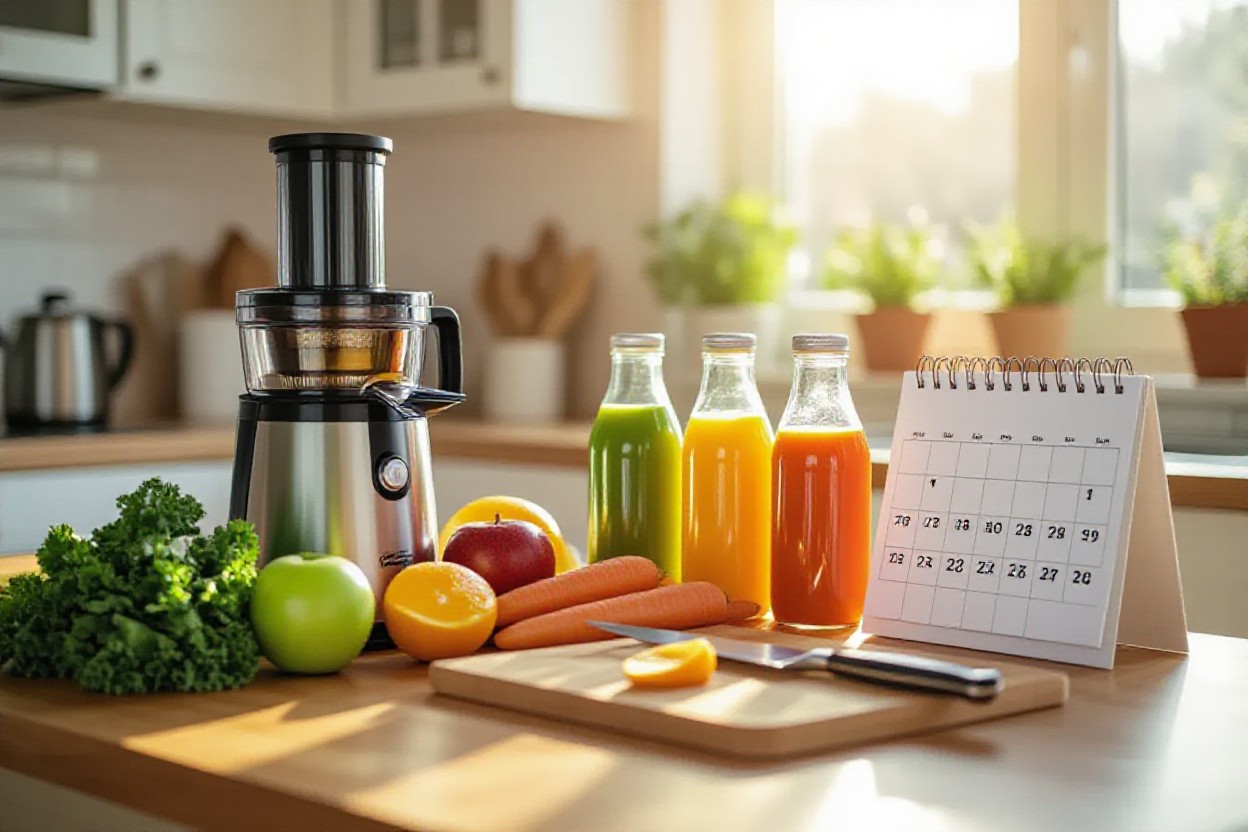
Can you juice every day? The short answer is yes, you absolutely can—but whether you should depends entirely on what you’re juicing, how much you’re drinking, and what role juice plays in your overall diet. There’s a massive difference between someone knocking back a sensible 8-ounce glass of vegetable juice each morning alongside a proper breakfast, and someone attempting to live on nothing but fruit juice because they saw a celebrity swear by a 30-day juice cleanse.
Daily juicing can genuinely be part of a healthy routine that boosts your nutrient intake and helps you consume more vegetables than you’d realistically eat whole, but it can also become problematic if you’re mainlining high-sugar fruit juices, using it to replace actual meals, or ignoring the fact that you’re missing out on fiber and other important components of whole foods.
There’s that morning you grab a quick green juice after a sleepless night and suddenly feel like you cracked a secret – it’s a tiny victory and you think, why not every day? You can juice daily, but it’s not a free pass; sugar can sneak in, you miss fiber, and your needs and meds matter. So mix veggies with fruit, keep portions sensible, and if you’ve got health issues ask your doc – it might be great, or it might not.




Why Juice Every Day?
Surprisingly, a daily juice can deliver more vegetables than you might eat otherwise-one 12-oz green juice often packs the equivalent of 2-3 cups of produce. If you’re short on meals in the morning or traveling, that concentrated boost gives you vitamins, minerals and phytonutrients fast, and studies link higher fruit-and-veg intake to better immune markers and improved micronutrient status. So while it’s not a magic fix, daily juicing can plug real nutritional gaps quickly.
The Benefits of a Daily Juice Habit
Oddly enough, you’ll often notice benefits within days: more energy, less brain fog, clearer skin – small wins that keep you going. A typical veggie-forward juice delivers a big hit of vitamin C and potassium (hundreds of mg), and when you swap one sugary snack for a veggie juice you cut calories and up nutrient density. Want a quick example? A morning green juice can replace a 300-400 calorie latte-and-pastry run and still leave you satisfied.
What’s in Your Juice? Nutritional Breakdown
Think about the mix: fruit-heavy blends push sugars to 20-40 g per 12 oz, 150-250 calories, and almost no fiber, whereas green juices often sit at 60-120 calories with under 10 g sugar and tiny fiber (usually <2 g). You’re getting concentrated vitamins like vitamin C, folate and potassium, plus phytonutrients like betalains or chlorophyll depending on ingredients. So the composition matters-big time.
Dig deeper and you’ll see practical tweaks: swap one apple for an extra handful of spinach to cut sugar by 8-12 g, add half a lemon for flavor and vitamin C, or blend in a spoon of nut butter or a scoop of protein powder post-juice to slow glucose spikes. Aim for lower-sugar profiles (under ~20 g per 8 oz) if you’re watching blood sugar, and use mostly vegetables with a single fruit for sweetness.
My Take on Juice Quality
Fresh vs. Store-Bought: Is There a Difference?
Fresh juice usually hits brighter and more vibrant than store-bought, but that vibrancy fades fast – think 24-72 hours for peak vitamin C and enzyme activity. Store-bought bottles often use pasteurization or HPP so they keep for weeks, which cuts vitamin C and some heat-sensitive phytonutrients by a noticeable amount. So you pick: peak-nutrient, short-lived fresh juice, or convenient, consistent bottled juice that trades some nutrients for safety and shelf-life.
Organic or Not: Does It Really Matter?
Organic often means lower pesticide residues, while nutrient differences are generally modest – a major 2014 meta-analysis found about 19% higher antioxidant levels in organic crops. You’ll pay more though, usually 20-50% extra at retail, so weigh cost against what you juice most: leafy greens and apple skins tend to carry more residues, so organic matters more there than for thick-skinned pineapple or avocado.
If you juice a lot of skins or leafy greens, the benefit of organic becomes clearer right away.
If you’re juicing the skins, go organic.
EWG’s Dirty Dozen repeatedly flags spinach, kale and apples as high-residue items, and systemic pesticides won’t wash off fully, so choosing organic for those cuts your exposure; for low-residue items you can save by buying conventional.


How Much Juice Is Too Much?
Daily Recommendations: What’s the Right Amount?
Maybe you grab a big bottle after the gym thinking more is better – but aim for 4-8 oz (120-240 ml) of 100% fruit juice per day for most adults, with 8 oz (240 ml) delivering roughly 100-150 calories and 20-30 g sugar. For kids follow AAP guidance: 1-3 years about 4 oz, 4-6 years 4-6 oz, and 7-18 years up to 8 oz. Pair juice with a meal to slow absorption and keep fiber from whole fruit in your day.
Possible Downsides: Can You Overdo It?
One time you down a couple glasses and then crash – too much juice spikes blood sugar fast, since an 8-oz glass often has 20-30 g of sugar (mostly free sugars), so two glasses can push you past the WHO’s ~25 g daily free-sugar target. And that sugar load can contribute to weight gain, higher triglycerides, and tooth enamel erosion, especially with acidic juices like orange or grapefruit.
Think of someone swapping an apple for a glass every day – they lose fiber and satiety, so total calories creep up. A 12-oz apple juice can be ~150-180 kcal and ~35 g sugar; over weeks that adds up. Signs you’re overdoing it include extra belly fat, rising fasting glucose or triglycerides on labs, frequent cavities, or energy swings. If that sounds familiar, cut back, eat whole fruit more, or limit juice to occasional servings with meals.
Mixing It Up: What Should You Juice?
You might be surprised that less fruit often makes a better daily juice – many 8-oz fruit juices have 20-30 g sugar, so you want to cut that down. Aim for about 1 part fruit to 2-3 parts vegetables, add a citrus hit or ginger for brightness, and keep starchy veg to a minimum. That way you get vitamins, hydration and lower sugar per glass, and your energy won’t crash mid-afternoon.
The Best Fruits and Veggies for Juicing
Berries, green apples and lemons give tart flavor with less sugar, while kale, spinach and parsley pack concentrated micronutrients; celery and cucumber are roughly 95% water so they bulk up juice without adding sugar. Beets bring nitrates that studies link to improved blood flow, carrots add beta-carotene and sweetness, and ginger or turmeric lend anti-inflammatory punch-so you can pick combos for taste, hydration or targeted benefits.
Crazy Combinations: What Works and What Doesn’t?
You’ll find some oddball mixes actually sing-pineapple with spinach? Yup, works. But other pairings flop or wreck the juicer: bananas and avocados don’t juice, they turn into pulp and clog; citrus plus dairy curdles. Balance is key: pair one sweet fruit with two handfuls of greens, or use herbs like mint or basil to bridge flavors. Want zip? Add 1/2 lemon or a thumb of ginger.
Try a few tested recipes so you learn your machine: Green Cleanser – 2 cups spinach, 1/2 cucumber, 1 green apple, 1/2 lemon, thumb of ginger; it yields a bright 10-12 oz drink. Beet Boost – 1 small beet, 2 carrots, 1/2 apple, splash of lemon for acidity.
Don’t juice bananas or avocado – they clog juicers.
And if something tastes off, tweak ratios – more greens, less fruit, or a dash of citrus will usually fix it fast.
The Real Deal About Detoxing with Juice
Unlike glossy ads that promise a rapid “cleanse”, your body is already working 24/7: liver enzymes and kidneys process toxins continuously, with kidneys filtering about 180 liters of plasma daily. You can use juice to boost vitamins and phytonutrients, but it won’t magically purge organs. Think of juice as a nutrient boost or short-term calorie swap, not a detox miracle.
Do You Actually Need to Detox?
Compared to a medical detox for overdose or liver failure, most people don’t need a commercial juice detox. Your liver and kidneys handle routine metabolism, so unless you have heavy alcohol use, occupational exposure, or a physician-confirmed problem, you’re generally fine. If you take strong medications or have diabetes, check with your doctor before starting any fast-like juice plan.
Juice Cleanses: Are They Worth It?
Compared to a balanced low-calorie diet, a juice cleanse often equals quick water and glycogen loss – typical short cleanses show 1-5 pounds lost in 3 days – but little fat loss and potential muscle breakdown because of low protein. You get vitamins, yet fiber and protein are minimal, so blood-sugar swings and fatigue are common; use them sparingly and with planning.



Where a long-term eating plan builds habits, extended juice cleanses can stress you: a 3-day cleanse may cause dizziness and low energy, while 7 days ups the risk of nutrient gaps. You might feel lighter and more alert for a few days, but clinical follow-ups find many regain weight within weeks. If you’re diabetic, pregnant, or on meds, get medical clearance first; otherwise use juices as a supplement, add protein or whole foods, and treat cleanses as occasional, not permanent.
Short-term benefits are real, long-term gains rarely are.

Got Questions? Let’s Clear Things Up
Daily juicing can be safe and beneficial if you do it with a plan. Aim for a 3:1 vegetable-to-fruit ratio and keep servings near 8 ounces to avoid the 20-30 g sugar hit you can get from fruit-heavy drinks. Because juicing removes most insoluble fiber, balance juices with whole fruits and vegetables so you still reach roughly 25-30 g of fiber a day. Rotate produce, watch portions, and treat juice as part of a bigger eating strategy.
Common Juice Myths Debunked
Myth: juices detox you – nope, your liver and kidneys do that work. Myth: juice fasting guarantees fat loss – most early weight drop is 1-5 lb of water and glycogen, not long-term fat. And myth: all juice is low-calorie – an 8-oz glass of orange or carrot juice can be 100-150 calories with 20-25 g sugar, so you can unknowingly spike calories and blood sugar.
Answers to Your Juicing Questions
If you have diabetes or take medications, be careful – concentrated fruit juices can spike glucose and some juices like grapefruit interact with drugs; test and check with your clinician. Generally, a vegetable-first 8-10 oz juice supplies vitamins A and C and dietary nitrates – research shows about 250 mL of beet juice can lower blood pressure in some studies. Use juice as a supplement or snack, not a daily meal swap if weight control is your aim.
You can preserve more benefits by adding pulp back or blending instead of strict juicing, which slows sugar absorption. For low-sugar combos try cucumber-spinach-ginger with just half an apple – apples add roughly 15-20 g sugar. Store juice cold and drink within 24 hours to keep vitamin C and enzymes intact; beyond that nutrient losses accelerate. Also watch oxalate-heavy greens like spinach and beets if you’re prone to kidney stones.
Summing up
So, can you juice every day? You can – if you do it smart: mix veggies with a little fruit, watch portions and calories, don’t swap all meals for juice, and keep an eye on sugar. It’s a handy nutrient boost but you lose fiber, so treat juices as a supplement not a replacement. Got diabetes or meds? Check with a pro. In short, you can enjoy daily juicing, but balance and common sense keep it healthy.
FAQ
Q: Can you juice every day without wrecking your diet?
A: Surprisingly, yes – you can juice every day and still eat a balanced diet, but it’s about how you fit it in, not whether you do it. If juice is your whole fruit-and-veggie intake you’re missing most of the fiber and that leaves you vulnerable to blood sugar spikes and less satiety, so you’ll end up nibbling more later.
Do this instead: treat juice like a supplement – a bright, nutrient-dense boost, not the main course. A small glass in the morning or alongside a meal complements food, it doesn’t replace it.
Think of juice as a shortcut to micronutrients – handy on busy days, handy for hitting greens you normally skip.
Keep portions sensible – 4 to 8 ounces is often enough to get benefits without going overboard.
Q: What are the real benefits and downsides of juicing every day?
A: The surprising bit – juicing can give you a fast, noticeable lift in vitamins and minerals, sometimes almost overnight, yet that quick hit also causes the main downside: sugar concentration. Fruit-heavy juices can spike glucose levels quicker than you’d expect, and that’s especially true if you’re diabetic or insulin-resistant.
Benefits? Lots of micronutrients, easy digestion, more veggies in your day when you’d otherwise skip them – and yes, some folks feel energized and less bloated. Downsides? Less fiber, potential calorie creep, and the blood sugar rollercoaster if you rely on fruit juices.
If you mix mostly veggies, add a protein or fat with the drink, or keep servings small, you get most of the upside with fewer problems.
Big point: not all juices are created equal – a kale-cucumber-lemon mix is a different animal than a mango-apple-sweet potato blend.
Q: How do I juice every day safely and make it actually helpful?
A: Weirdly simple tricks make daily juicing way less risky – portion control, pairing, and variety. Start small – 4 ounces is a good baseline – and don’t let juice replace whole fruits and veg across the board.
Pair it with protein or healthy fat – a handful of nuts, Greek yogurt, or a scoop of collagen – that slows absorption and keeps you full longer. Rotate your produce so you’re not always sipping the same phytonutrients; that reduces the chance of overdoing any one compound.
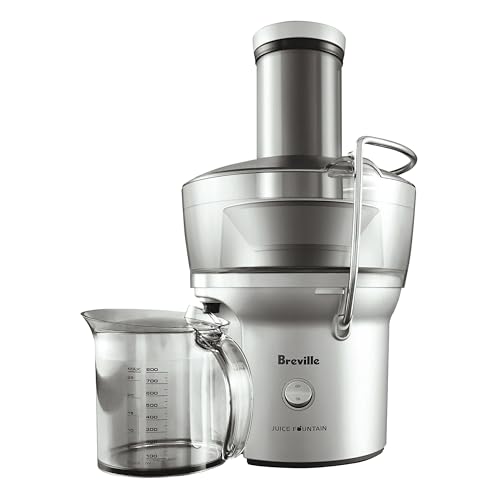
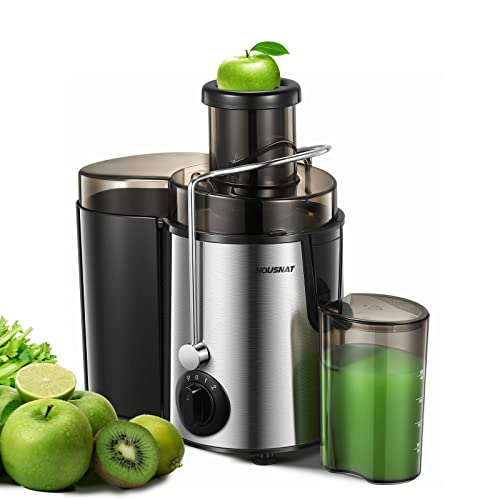
If you’re short on time, cold-press or quality centrifugal juicers work fine, just drink your juice within 24 hours for best nutrients.
Listen to your body – if energy dips, digestion gets weird, or your weight shifts unexpectedly, tweak the recipe or cut back.