
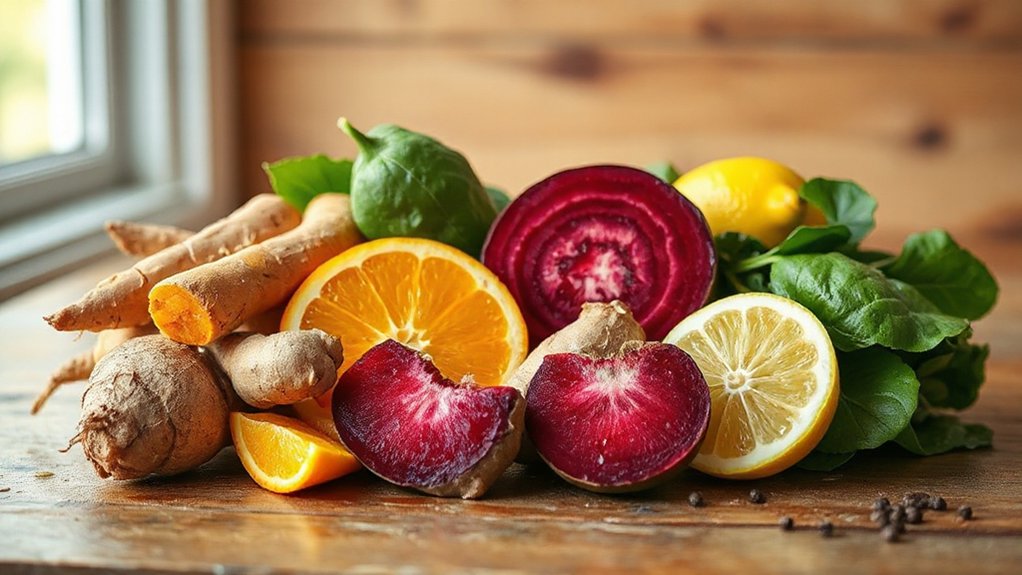
Juice can be surprisingly strategic: a simple combo of berries, greens, and spices can shift inflammation without heavy supplements. You’ll want evidence-backed pairings that balance polyphenols, vitamin C, and healthy fats for absorption, then tune amounts to your routine and taste. If you’re aiming for steady benefits, a few dependable builds and practical tips await, showing you how to assemble potent blends while keeping digestion and budget in mind. Let’s explore how to start.
How Anti-Inflammatory Juices Work: The Essential Science
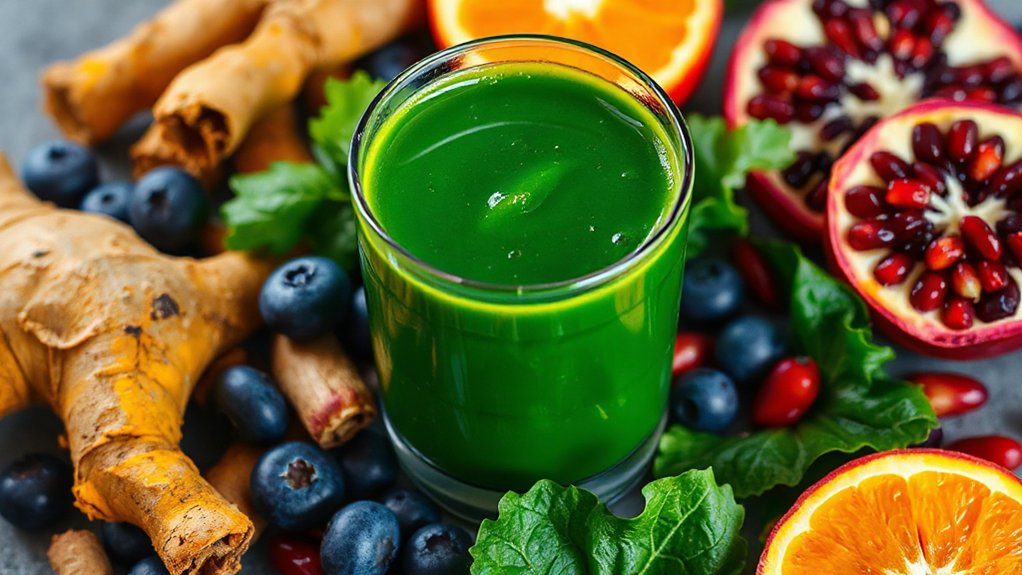
Inflammation is the body’s natural response to injury or stress, but chronic inflammation can drive many health problems. You’ll grasp how anti inflammatory juices influence this process by focusing on core mechanisms.
When you consume bioactive compounds, they interact with cellular signaling to temper pro-inflammatory mediators and support anti-inflammatory pathways. You’re strengthening the immune response without triggering excessive irritation, helping resolve damage more efficiently.
Key players include polyphenols, flavonoids, and certain micronutrients that modulate enzymes and transcription factors involved in inflammation. By supporting endothelial function and oxidative balance, you foster a more controlled response to stress.
In practical terms, you’re leveraging foods that reinforce resilience, aiding your body’s natural repair processes while respecting individual needs and responses.
Berries and Citrus for Anti-Inflammatory Juices
Berries and citrus stand out as practical, evidence-backed options for anti-inflammatory juices. You’ll benefit from their polyphenols and vitamin C, which support less inflammation and quicker recovery after workouts.
Use mixed berry blends (blueberry, strawberry, raspberry) with citrus for bright, balanced flavor profiles. Citrus adds zing and helps protect polyphenols during processing; consider fresh lemon or orange juice as a small, invigorating acid boost.
For practical guidance, keep portions moderate and pair with low-sugar bases to avoid blood-sugar spikes. Flavor combinations matter: tartness from citrus with the natural sweetness of berries often yields the most satisfying results.
When you store juice, use airtight containers in the fridge and label storage times to optimize juice storage.
Leafy Greens and Crucifers for Anti-Inflammatory Juices
Leafy greens deliver steady anti-inflammatory benefits through nutrients like vitamin K and polyphenols, supporting vessel health and immune balance.
Crucifers boost this effect with isothiocyanates that enhance detox pathways and reduce inflammation, especially when consumed regularly.
Together, these greens and crucifers offer synergistic nutrient support for juicing, so pair them thoughtfully to maximize absorption and overall anti-inflammatory impact.
Leafy Greens Benefits
Are leafy greens and crucifers essential for anti-inflammatory juices, and why do they matter for everyday health? You benefit from their nutrient density, supporting immune balance and steady energy. These greens deliver plant compounds that calibrate inflammation without overwhelming your system, making daily juices more potent and sustainable.
- Leafy greens offer fiber, vitamins, and minerals that support gut and vascular health.
- Nutrient density means more nourishment per sip, with fewer calories.
- Variety boosts antioxidant profiles, aiding resilience against oxidative stress.
- Practical inclusion: rotate greens to cover a broad spectrum of minerals and phytonutrients.
Crucifers Anti-Inflammatory Power
Crucifers bring a distinct anti-inflammatory edge to juices thanks to compounds like sulforaphane and callins, which help modulate inflammatory pathways and support detoxification.
You’ll notice that leafy greens and crucifers pair well for steady nourishment, especially when you’re aiming for sustained well-being.
In practice, prioritize crucifer cultivation of diverse varieties to maximize bioactive profiles, rather than relying on a single leaf type. Different crucifer variety benefits arise from microclimates, soil nutrients, and harvest timing, so you’ll get broader anti-inflammatory support by rotating options.
Pair crucifers with rotating herbs for texture and flavor without compromising potency.
When selecting produce, choose fresh, vibrant stalks and compact heads, and store appropriately to preserve sulforaphane levels.
Your juice routine gains resilience and community-friendly consistency from thoughtful crucifer choices.
Juicing Nutrient Synergy
Want to maximize anti-inflammatory benefits? You’ll harness synergy by pairing leafy greens with crucifers, boosting antioxidant and detox pathways without overprocessing. When you combine varieties, you get complementary minerals, flavonoids, and glucosinolates that support inflammation control, while you maintain a balanced flavor profile.
Focus on fresh, high-quality ingredients and mindful storage to preserve activity: juice storage matters for nutrient retention; plan batches to minimize time out of the fridge. Consistent sourcing matters, so build a reliable habit of ingredient sourcing from trusted growers or markets.
Implement practical practices below to optimize results:
- Choose diverse greens (spinach, kale) with crucifers (broccoli, cabbage) for wide phytochemical coverage
- Store produce properly pre-juice to keep enzymes intact
- Harvest promptly and wash thoroughly, then juice
- Label batches with dates to track freshness
Ginger and Turmeric: Power Compounds in Your Juice
Ginger and turmeric bring potent anti-inflammatory compounds into your juice, making them practical upgrades for daily wellness. You’ll notice ginger adds sharp, warming notes while delivering ginger benefits that support digestion and inflammatory balance.
Turmeric brings a mellow, earthy depth plus curcumin’s well-documented effects on pathways linked to inflammation, so turmeric uses become part of a steady routine rather than a one-off boost.
In practice, pair them with black pepper to enhance absorption, and use moderate amounts to avoid overpowering flavor.
Aim for a daily routine that feels manageable, not intimidating. Keep expectations realistic: benefits accrue over time with consistent use, clean ingredients, and a balanced diet.
With thoughtful integration, you belong in a community prioritizing evidence-based wellness.
Omega-Boosters: Nuts, Seeds, and Healthy Fats for Anti-Inflammation
You’ll power your anti-inflammatory strategy by choosing nuts, seeds, and healthy fats that support steady omega intake.
Evidence shows these foods deliver favorable omega-3 and omega-6 balances, plus antioxidants and fiber that curb inflammatory signals.
Prioritize portion-controlled portions and diverse sources to maximize benefits without excess calories.
Nuts And Seeds Power
Nuts and seeds are compact powerhouses of healthy fats, protein, fiber, and a host of anti-inflammatory compounds, making them a practical cornerstone of an omega-boosted diet.
In this section, you’ll learn how to optimize intake, minimize risks, and enjoy steady energy. You’ll balance portions, choose varieties, and pair with produce for better absorption, while keeping nut allergy considerations in mind and exploring seed roasting for flavor.
- Choose a mix of almonds, walnuts, chia, and flax to diversify fats and antioxidants.
- Soak or lightly roast seeds to improve digestibility and taste.
- Pair with vegetables or yogurt for nutrient synergy.
- Watch portions to sustain inflammation control without overdoing calories.
Apply these practices, belong to a mindful eating community, and boost your results.
Healthy Fats, Anti-Inflammation
Healthy fats are central to anti-inflammatory eating, and omega-boosters—nuts, seeds, and other healthy fats—offer a practical, evidence-based way to reduce chronic inflammation. You’ll benefit from choosing a variety of sources, including walnuts, flaxseeds, chia, and extra-virgin olive oil, to balance omega-3 to omega-6 ratios.
Pair fats with fiber-rich vegetables for steady blood-sugar control and steady energy. Practical guidance shows modest, consistent intake yields meaningful results, supporting meditation techniques and sleep improvement as part of a holistic approach.
You’re encouraged to replace refined fats with whole-food fats, mindful of portions. Integration into meals is seamless: drizzle olive oil over salads, add nuts to snacks, and blend seeds into smoothies.
This fosters belonging, shared routines, and sustained anti-inflammatory progress.
Build Your Juices: Starter Recipes, Pairings, and Tips
Starter juices set the foundation for a practical anti-inflammatory routine, combining accessible produce with proven anti-inflammatory compounds to maximize flavor and consistency. You’ll learn to pair flavors that complement each other while prioritizing nutritional impact, so your routine feels confident and inclusive.
- Flavor combinations that brighten palate and balance bitterness with citrus, ginger, and leafy greens
- Starter pairings that support steady energy and reduced inflammatory signals
- Practical tips for batch planning, rotation, and kid- or guest-friendly options
- Storage tips to preserve nutrients, minimize waste, and keep your juices ready to go
These guidelines help you build a consistent habit, feel you belong in a health-minded community, and stay evidence-based.
Frequently Asked Questions
Do Anti-Inflammatory Juices Affect Chronic Disease Risk Long-Term?
Yes, they can influence risk long-term by reducing inflammation markers, especially with consistent intake. You’ll likely see modest benefits, and combining juices with whole foods supports decision-making. Long term benefits depend on overall diet, activity, and adherence.
Can Juicing Replace Whole Fruits and Vegetables Safely?
Short answer: juicing can’t fully replace whole fruits and vegetables safely. You’ll miss fruit fiber and nutrient absorption benefits; include whole produce regularly, and use juices to boost—but not substitute—your daily intake for balanced, evidence-based guidance.
Are There People Who Should Avoid Citrus in Juices?
Yes, some people should avoid citrus due to Citrus allergies or acid sensitivity, so you’ll want to tailor juices accordingly and observe reactions; consult an expert, follow evidence-based guidance, and join communities for practical, inclusive support.
How Does Temperature Affect Juice Anti-Inflammatory Compounds?
Temperature sensitivity means some anti-inflammatory compounds degrade with heat or light, but you protect nutrient stability by chilling fresh juice and storing short-term. You’ll maximize benefits by consuming promptly, avoiding high-temp reheating, and choosing opaque containers.
Do Certain Storage Times Degrade Key Anti-Inflammatory Nutrients?
Juice starts fading with time: yes, Storage duration can cause nutrient degradation, especially vitamins. You’ll keep benefits longer by refrigeration, consuming within 3–5 days. Trust evidence: freshness, proper sealing, and minimal chopping protect key anti-inflammatory compounds.
Conclusion
While you experiment with these ingredients, question a popular myth: that more polyphenols equal instant relief. The truth is subtler. A balanced juice, rich in berries, citrus, greens, ginger, turmeric, and healthy fats, supports baseline inflammation management and nutrient absorption, not a miracle cure. Pair frequent, varied intake with whole-food meals and lifestyle basics like sleep and activity. When you sample combinations, you’ll notice how flavors and textures reinforce consistency—making anti-inflammatory habits easier to sustain.