
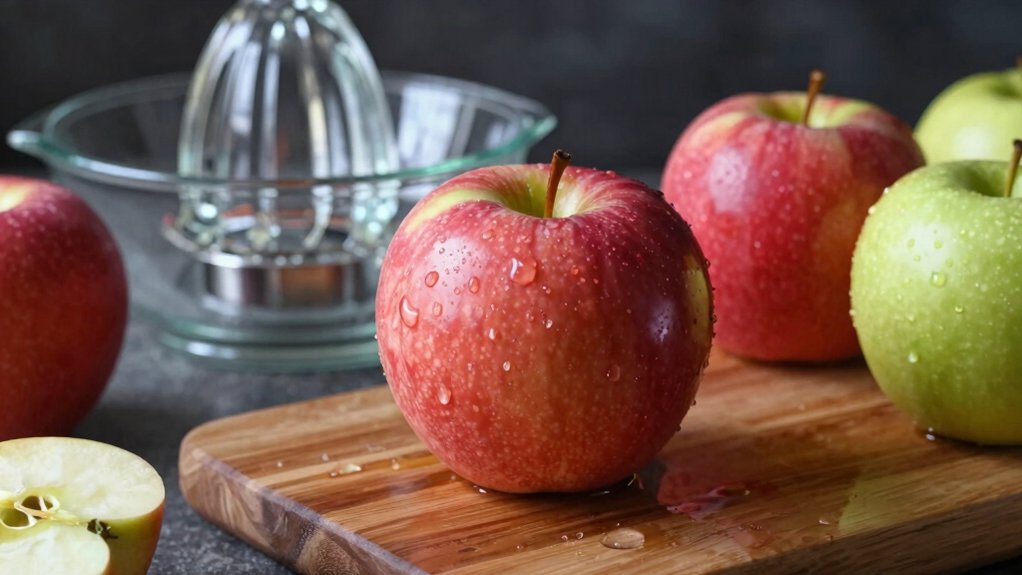
Should you peel apples before juicing? It depends on your goals. Keeping the skin adds fiber, antioxidants, and a rustic, richer aroma, but it can make juice cloudier and a bit more bitter. Peeling yields cleaner, brighter juice with smoother texture and less pigment transfer. If you want a polished, refined drink, peel; for a fuller nutrition profile and more complex flavor, leave the skin on and blend in pulp. Curious about fine-tuning for your setup? Keep reading for more tips.
Peel or Not? The Quick Verdict for Juicing
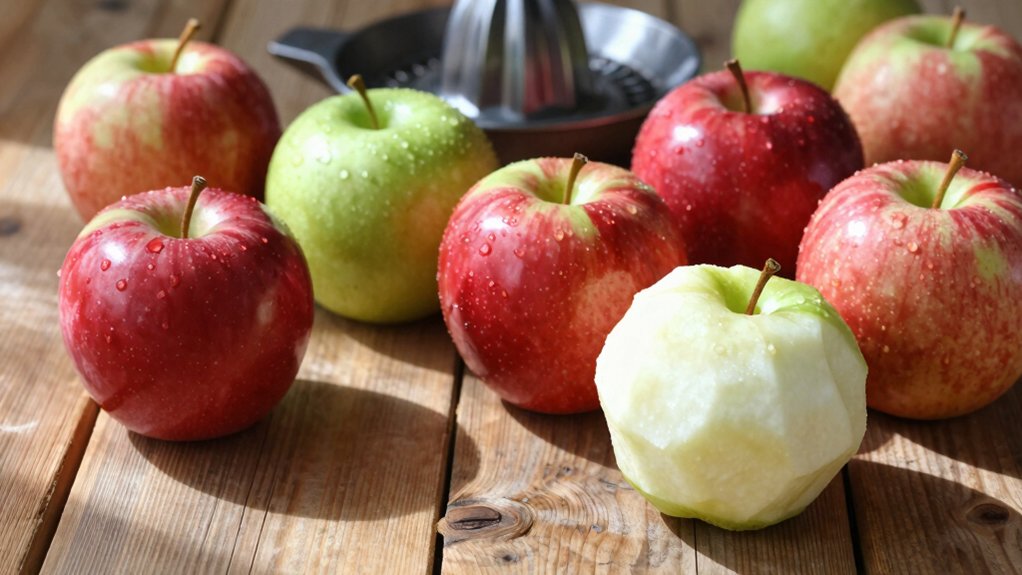
If you’re juicing apples, you don’t have to peel them, but the choice affects flavor, texture, and nutrition. You’ll notice differences across apple varieties, so your decision hinges on taste and practicality.
Peel for a smoother, lighter juice if you prefer less bite and a paler color; leave skin on for more body and a hint of tart complexity.
Consider juicing techniques: a masticating machine handles skins well, while a centrifugal juicer quickly extracts juice but may lose some texture if skins are thick.
If you value fiber, leaving the skin boosts it slightly; if you prioritize clarity, peeling helps.
Test a few varieties to polish your routine and align results with your goals.
What Happens to Nutrition When You Keep the Skin
Keeping the skin on your apples boosts nutrient intake, since the peel holds fiber and additional vitamins you’d miss otherwise. You’ll also get more pulp fiber, which supports digestion and helps you feel fuller.
If you’re aiming for a balanced juice, weigh the skin’s fiber and nutrient benefits against any texture or taste you prefer.
Skin Nutrient Impact
When you keep the skin on apples for juicing, you preserve most of the fiber, antioxidants, and polyphenols found just beneath the surface, which can bolster overall nutrition. The skin hosts key nutrients that aid digestion and offer anti-inflammatory benefits, so you’ll get more steady energy from a drink that includes it.
In practice, don’t assume all skins are equal; apple varieties differ in pulp sweetness and nutrient density, so your results vary with each batch. Juicing techniques that minimize oxidation—cold-press or quick, low-speed presses—help retain these compounds longer. Rinsing and light brushing remove residues without removing surface nutrients.
If you’re blending instead of pressing, you still capture most nutrients in the skin. Overall, mindful selection and technique maximize skin-derived nutrition.
Pulp Fiber Benefits
Even with the pulp left in, you still get a substantial fiber boost that aids digestion and helps you feel fuller longer. Pulp fiber benefits come from the insoluble and soluble fibers trapped in apple skin and the micro-piber particles found in the pulp.
When you keep the skin, you retain pectin and other soluble fibers that slow sugar absorption, supporting steadier energy. The fiber helps gut motility and can contribute to healthier stool formation.
You’ll notice texture and satiety without sacrificing flavor. Apple skin adds antioxidants that complement fiber, contributing to overall gut health.
If you include pulp, you get a more complete nutritional profile, not just vitamins. In short, pulp enhances fiber benefits while maintaining a smooth juice experience.
How Skin Affects Flavor, Texture, and Clarity
The skin on apples can noticeably influence flavor, texture, and clarity in juice. You’ll notice subtle apple flavor shifts from the peel’s compounds, especially when you use varieties with more tannins or aromatic skin oils.
Texture changes are real: the rind can add snap or grit, affecting mouthfeel, even after pressing. Juicing clarity also hinges on skin, since particles and pigments may pass into juice if you don’t filter or press smoothly.
If you keep the skin, expect deeper complexity in aroma and a slightly hazier juice; if you peel, you’ll likely gain a cleaner, lighter profile. Your choice hinges on desired taste, mouthfeel, and how you plan to filter or fine-tune the final juice.
Best Apple Varieties for Peeling vs. Not Peeling

You’ll notice some apples peel easily and others hold onto their skin, making peeling a scene-dependent choice.
For peeling, look to varieties with crisp, smooth flesh that masks bitterness, while for not peeling, favor those with thin, tender skins and bright aroma that add extra nuance.
Each variety offers different peeling prospects—use this to guide your juicing plan and balance flavor, texture, and clarity.
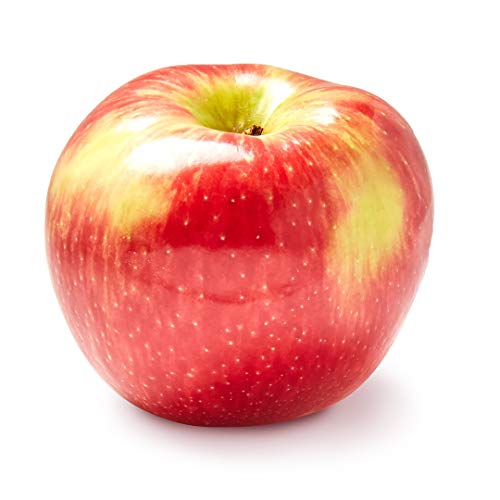


Peel Sometimes Salience
Peeling isn’t always necessary, but some apple varieties benefit more from it than others. When you choose to peel, you’ll notice differences in texture, flavor, and juice clarity.
For certain apples, leaving the skin can add color and subtle tannins, while others yield smoother juice with less pulp by removing it. Your decision should hinge on taste preference, juice use, and how you handle peeling techniques.
- Varieties with thin skins: quicker prep, less texture impact
- Crisp, tart apples: skin can sharpen flavor without overpowering
- Dark-skinned apples: peeling reduces pigment transfer to juice
- Juicing for clear beverages: peeling minimizes cloudiness and pulp
Consider your goals: apple skin benefits versus mouthfeel, and apply peeling techniques accordingly.
Varieties For Peeling
Some apple varieties lend themselves to peeling more than others, making the decision partly about texture and juice clarity. When you choose varieties for peeling, look for firmer flesh that holds up under a quick paring and gentle juicing, not mushy or mealy skins.
Classic peeling candidates include firm, crisp types with smooth apple skin textures and minimal browning risk after slicing. You’ll likely skip peeling for varieties with thin skins that add color and aroma to juice, but if you want a cleaner, brighter juice, peel those with waxy or tough skins.
Balance peel effort with yield; the goal is efficient processing, not waste. In short, pick varieties for peeling that maximize juice clarity and minimize prep time.
Not Peeling Prospects
Not peeling prospects focus on varieties that brighten juice without the extra prep, typically those with thinner or more delicate skins. You’ll notice better peeling convenience with apples whose skin blends smoothly into the juice, preserving flavor instead of adding texture.
When you don’t peel, you’ll also encounter how skin texture can influence mouthfeel and clarity, so choose varieties that stay pleasantly smooth.
- Tender-skinned apples that reduce prep time without sacrificing brightness
- Lightly textured skins that emulsify well in a juicer
- Consistent juice color from varieties with thin exteriors
- Minimal grit, thanks to skins that don’t float or clump during pressing
When to Peel: Smooth Juices vs. Rustic Blends
When deciding whether to peel, consider the juice you want: smooth, silky drinks benefit from peeled apples, while rustic blends thrive with the skin left on for texture and color. You’ll choose based on desired mouthfeel and appearance.
Peeling removes bitter compounds and yields a cleaner, lighter finish, ideal for bright, refined juices. Leaving skin on preserves natural fiber and pigment, adding subtle texture and a deeper hue to the blend.
For color enhancement, the skin contributes richness; for a consistent peel texture, remove it. If you’re aiming for a clear, juice-forward profile, peel; for a farm-fresh, characterful batch, keep the skins.
Balance your approach with your preferred flavor and visual result, then adjust next time based on outcome.
Practical Tips for Handling Skins and Stains
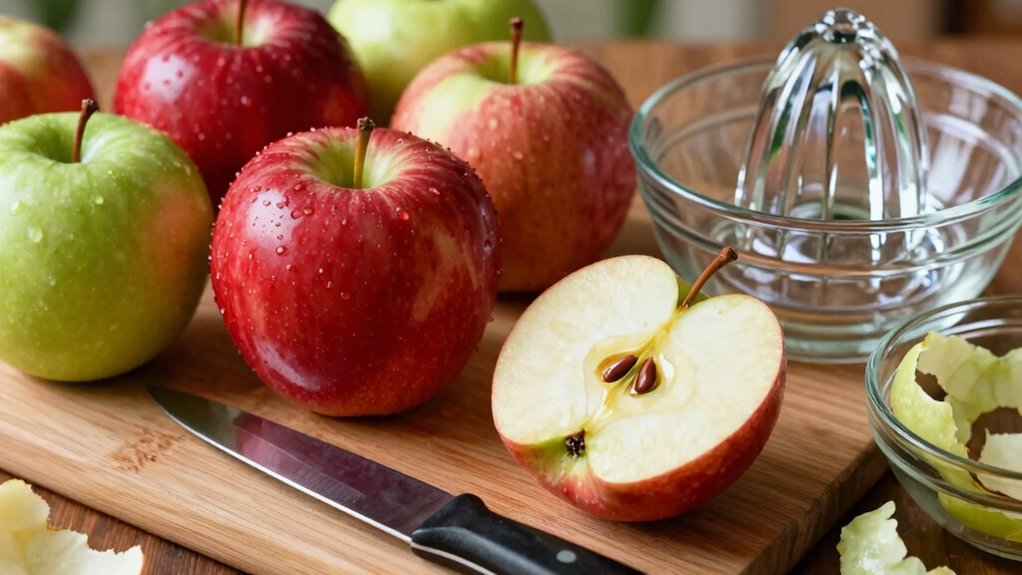
To keep skins manageable and stains under control, start by washing apples thoroughly and patting them dry before handling.
- Keep apple skin intact when possible to minimize juice foaming and pulp disruption.
- Use a clean cutting board and knife to avoid cross-contamination that could stain.
- Rinse your fruit peels promptly and wipe with a damp cloth to reduce stubborn residues.
- Store cut apples briefly in lemon-water or airtight container to preserve color and reduce staining.
Practicing juicing safety means handling skin with care, inspecting for bruises, and drying thoroughly to prevent slippery equipment. You’ll reduce grit, and maintain smooth operation.
Balancing Flavor With Add-Ins: Peel or Not?
Peels can tilt the flavor balance in your juice, so deciding whether to include them hinges on taste and texture preferences. You’ll notice apple flavor shifts when you add or omit peel, because the skin carries bitter notes and a punch of aroma.
If you want a brighter, sweeter profile, peel more; if you seek complexity and mineral hints, you might keep a portion of peel to contribute peel influence. Consider your apples’ variety and ripeness, since red-skinned types can taste sweeter even with peel, while tart greens may gain edge without it.
Texture matters, too—peels can add body or grit. Taste as you go, adjusting with small batches to avoid overpowering your juice.
Juicing Methods and How They Make Skin Matter
When you choose peel vs. peel-free juicing, you’re deciding how much skin nutrients you’ll keep and what texture you’ll taste. The method you select shapes how effectively antioxidants and fiber transfer into the juice, so your final cup reflects those trade-offs.
Let’s start by weighing skin’s nutrient contributions against potential bitterness or pulp, then compare practical results for your juicing routine.
Peel vs Peel-Free Juicing
Peel vs peel-free juicing offers two distinct approaches to extracting juice from apples, each with its own impact on flavor, texture, and nutrition.
- You’ll notice apple antioxidants may vary between methods, depending on how much skin you keep.
- The texture shifts: peel-in juice can feel richer, while peel-free juice often tastes lighter and smoother.
- Nutritional balance changes as you trade peel compounds for pulp content, influencing your overall intake.
- Convenience and waste reduction come into play, since peeling eliminates prep time, yet preserves the juice’s essence when skin is left on.
If you prioritize skin texture in your cup, peel-free options often deliver a cleaner mouthfeel without sacrificing brightness.
Skin Impact On Nutrients
While the skin adds beneficial compounds, the way you juice determines how much those nutrients end up in your cup. Juicing methods influence nutrient transfer, so your approach matters.
When you blend with the skin on, you preserve fiber and antioxidants, but you may introduce more phenolics that can affect flavor and appearance.
If you juice skinless, you reduce bitterness and texture issues, yet lose fiber and some vitamins bound in the peel.
Apple skin texture varies by variety and handling, changing mouthfeel and perceived freshness in the juice.
Skin color variation reflects pigment content, which correlates with antioxidant levels.
For max nutrient retention, consider a quick mechanical press with minimal heat, and rinse apples well to minimize surface residues before juicing.
Safety, Hygiene, and Prep for Peeling Decisions
Safety, hygiene, and prep for peeling decisions matter because clean, safe handling guarantees quality juice. You’ll minimize contaminants by washing apples under cold running water, scrubbing gently, and drying with a clean towel.
Use a sharp peeler to reduce waste and minimize skin contact resin buildup. If you’re peeling, keep knives and surfaces sanitized and separate from ready-to-eat foods to avoid cross-contamination.
Consider pesticide concerns and organic options when selecting fruit, and rotate utensils to prevent residue transfer.
Store peeled portions in airtight containers, refrigerated, and consume promptly to preserve freshness. Trust your setup: clean tools, proper washing, and mindful handling protect flavor and safety.
- Wash, scrub, and dry thoroughly before any peeling
- Use sharp, clean peeler and separate prep area
- Note pesticide concerns and consider organic options
- Refrigerate peeled juice portions promptly to maintain quality
A Quick Decision Framework: Peel or Don’t Based on Your Goals
When you’re deciding whether to peel or not, start by aligning the choice with your goals for flavor, texture, and juice clarity.
If you want bright flavor and strong apple character, you may skip peeling, accepting a firmer bite and richer peel texture. If you prefer a smoother mouthfeel, peeling minimizes bitterness and yields a cleaner, lighter juice.
Consider juice clarity: leaving skin can introduce fine tannins and color, while peeling reduces speckle and haze.
Your comfort with texture matters too—some blends benefit from the extra chew, others from a silky finish.
Always weigh skin aesthetics against nutrition goals and waste.
In short, decide based on the result you value most and adjust next batch accordingly.
Frequently Asked Questions
Are There Risks to Leaving the Skin on During Juicing?
Leaving skin on isn’t dangerous, but some pesticides may linger; wash thoroughly. Risks exist, yet mostly minor. You’ll notice texture alteration, and you’ll still get nutrients. This helps with pesticide removal and texture alteration, while preserving value.
How Does Peeling Affect Shelf Life of Juice?
Peel removal speeds oxidation, so juice lasts longer but loses some nutrients. You’ll see clearer juice, yet you trade flavor intensity. If you want juice clarity and freshness, peel lightly and refrigerate promptly after squeezing.
Can Peeling Reduce Pesticide Exposure Significantly?
Peeling can reduce pesticide exposure, but it doesn’t eliminate all pesticide residues. You’ll still encounter residues from washing and processing. You’ll miss skin benefits if you peel, yet you can minimize risk with thorough washing.
Do Kids Prefer Juice With or Without Apple Skins?
Kids prefer juice with skins, and you’ll notice richer flavor. You’ll preserve flavor, you’ll keep skin texture, you’ll boost nutrients, you’ll disappoint some bitterness. You’ll weigh convenience against crunch, you’ll choose based on taste, texture, and glow.
Is Peeling Necessary for Green or Tart Apples?
Peeling isn’t strictly necessary for green or tart apples, but you’ll notice milder flavor and smoother juice when you peel. You’ll trade some Apple flavor and Nutrient retention for a cleaner, less fibrous texture.
Conclusion
If you’ve ever stood at your kitchen counter wondering should I peel apples before juicing, you’re grappling with a question that divides juicing enthusiasts between those who prioritize maximum nutrition and those concerned about pesticides and bitter flavours.
The answer to should I peel apples before juicing isn’t straightforward because apple skins contain valuable nutrients, antioxidants, and fibre that enhance your juice’s health benefits, yet they can also harbour pesticide residues, introduce bitterness, and potentially strain certain juicer types depending on their design and power.
If you crave a spotless, velvety juice, peel away and pretend you never loved texture. Want personality and rustic charm? Leave the skins on, sip with a wink, and pretend you’re a farmer who knows his apples isn’t a fashion statement. Either choice, you’ll survive the verdicts of nutrition and flavor, all while dodging one more kitchen chore. Peel for polish, don’t peel for character—your juice, your rules, your very civilized rebellion against smoothness.