
Table of Contents
Juicing can boost your fruit and vegetable intake quickly, but it isn’t a magic meal. You trade most of the fiber and some protein for concentrated nutrients, and sugars can spike your blood sugar if you overdo it. It’s practical as a side or short-term boost, not a full replacement for whole produce or meals. If you want balanced benefits, pair juices with fiber-rich foods and varied produce. Curious about optimizing yields and costs? You’ll learn more below.
What Is Juicing and Why Do People Try It?

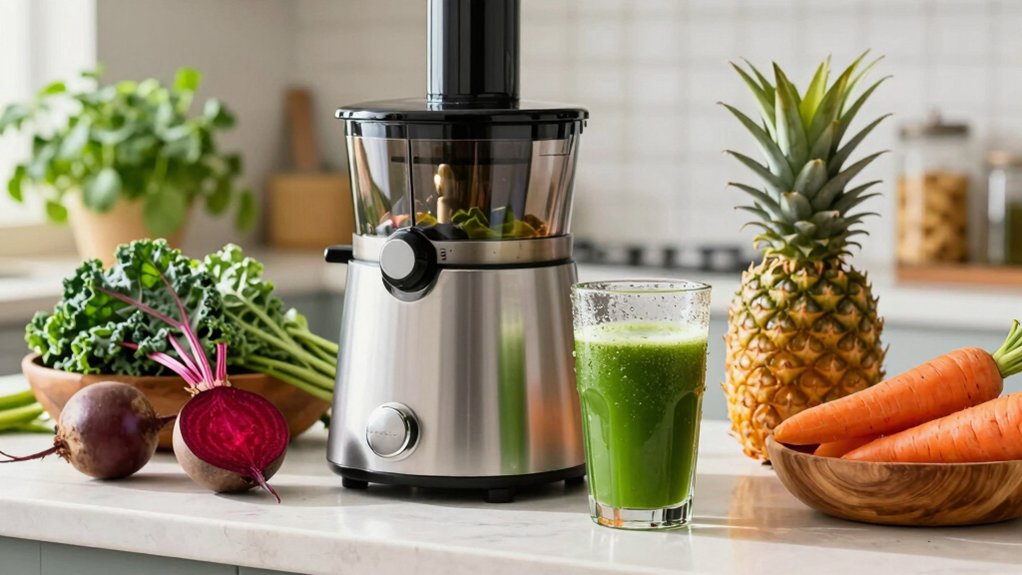
Juicing is the practice of extracting juice from fruits and vegetables, often with the goal of consuming more produce in a convenient, concentrated form. You’re likely drawn by simplicity, cost-per-nutrient, and claims of rapid health gains.
Data show you can boost intake of certain vitamins, yet juicing often excludes fiber and protein, muddying nutritional balance. Juicing myths persist: that juice equals a complete meal, that all produce flavors blend uniformly, or that store-bought options are inherently inferior.
Realistically, you’re trading satiety for speed and may experience spikes in sugar with fruit-heavy blends. For practical use, pair juice with whole foods to maintain balance, vary ingredients to cover micronutrient gaps, and monitor portions.
Your goal should be a measured, evidence-based approach, not sensational shortcuts.
Is Juicing Worth It? A Simple Decision Framework
Deciding whether juicing is worth it boils down to tradeoffs: it boosts certain nutrients quickly but sacrifices fiber, protein, and satiety, which means you must plan meals around it.
You’ll weigh evidence, not anecdotes, and you’ll spot Juicing myths that promise miracles.
A simple decision framework helps: quantify nutrient gain, fiber loss, and total calories; assess meal replacements vs. supplements; and consider time, cost, and taste.
Flavor balance matters: some blends taste bitter or overly sweet, which affects adherence more than any ingredient’s micronutrient payload.
Be skeptical of “one-size-fits-all” claims and tailor choices to your goals, schedule, and health needs.
If the math favors a small, occasional juice as a supplement rather than a staple, it’s a sensible decision.




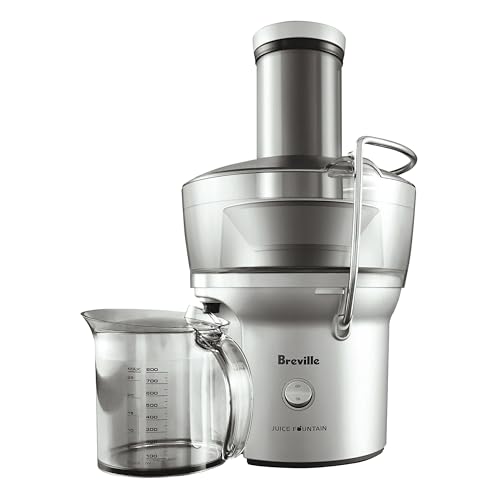
The Main Pros of Juicing: Convenience, Quick Nutrients, and Variety
You’ll see that convenience and quick nutrient access matter when timing matters or you’re juggling meals.
The data suggests juicing can streamline intake, but you should weigh fiber loss and cost against real benefits.
If throughput and variety drive your routine, it’s worth evaluating how these pros stack up for your goals.
Convenience Benefits
For many people, convenience is the most immediate perk of juicing: it takes produce from the fridge to a ready-to-drink glass in minutes, and you can prep a batch once and reuse it across several days. You’ll notice fewer steps than traditional meal prep, which can save time during hectic weeks.
The data point that matters is throughput: quick servings may boost intake, but they also encourage batch waste if you overproduce. Practicality matters for adherence, not novelty.
Juicing health claims require scrutiny: nutrients can degrade quickly, and fiber is lost.
Juicing sustainability depends on sourcing and packaging choices; bulk produce and reusable containers help, but electricity and cleanup tip the balance.
In short, convenience is real, yet it’s not a universal win for health or environment.
Quick Nutrient Access
Even so, juicing offers quick nutrient access: you can consume concentrated servings of fruits and vegetables in minutes, which may help you reach daily targets faster than snacking on whole produce.
You weigh data on absorption, fiber loss, and cost, and you still ask if it’s worth it. Practical tests show you get a nutrient spike, not a guaranteed edge, and you may miss other benefits.
Juicing myths often blur real tradeoffs, like sugar load and satiety. Flavor variations matter for adherence, but they don’t erase nutrient gaps.
In short, it’s a tool, not a replacement for whole produce.
- Efficiency vs. fullness
- Nutrient density vs. fiber
- Sugar load considerations
- Flavor variations and variety
The Main Cons of Juicing: Fiber Loss, Sugar Load, and Cost
Fiber loss is real enough to matter if you’re relying on juice as a meal replacement, since you’re tossing out most of the fiber that slows sugar spikes and supports fullness.
Sugar load deserves scrutiny, because even high-juice servings can push you past daily targets quickly, regardless of vitamin content.
Cost rounds out the picture: you’ll want to compare the price per nutrient with whole foods to judge whether juicing is worth it.
Fiber Loss Concerns
What happens to fiber when you juice? Juicing strips solids, so most of the insoluble fiber is lost, and soluble fiber greatly varies by produce. You trade texture and fullness for speed, not fiber retention.
Evidence shows juice yields lower total fiber than whole produce, and the remaining pulp often goes unused. Practical takeaway is to plan for fiber supplementation if you’re juice-heavy.
Consider these points:
- Assess actual pulp content and adjust your intake accordingly
- Pair juice with high-fiber foods to balance digestion
- Track satiety and glucose impact to gauge need for fiber retention strategies
- Use the pulp in recipes to reduce waste
Data suggests supplementation can help maintain fiber intake without sacrificing convenience.
Sugar Load Considerations
Juicing concentrates sugars, which can spike total and post-meal glucose more than eating whole fruit. You’ll likely see higher short-term numbers, even if calories seem similar, because liquid form bypasses some hunger cues and slows less than fiber.
In practical terms, that means your body may respond with sharper insulin swings and faster nutrient delivery to your bloodstream. The data trend toward modest daily sugar increases, not dramatic fat loss, unless portions are controlled.
If you use juice as a substitute for whole fruit in large amounts, you’re undermining fiber benefits and inviting cravings later. Beware juice preservatives and added sugars in store-bought options, and consider fruit detox goals as a long-term plan.
Favor whole fruits when possible and monitor overall glycemic impact.


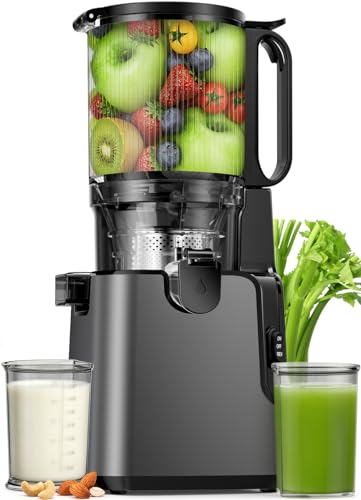


Juicing vs. Smoothies: Which Delivers More Nutrients Per Sip?
When you compare juicing and smoothies, you’re weighing two ways to get plant nutrients with different trade-offs: juicing concentrates vitamins and minerals in a small volume, while smoothies preserve fiber and keep more of the whole-food matrix intact.
- Nutrient density per sip favors juicing for vitamins A, C, and folate, but fiber loss can blunt glycemic response.
- Smoothies retain gradual sugar release and fuller satiety, reducing overeating risk over a meal.
- Flavor pairing matters: acidity and bitterness can steer perceived nutrient adequacy, not actual micronutrient breadth.
- Storage techniques, like airtight containers and short refrigeration, impact vitamin stability and texture more in juice than in blends.
Juicing at Home: Essential Gear, Grocery Tips, and Budget Hacks
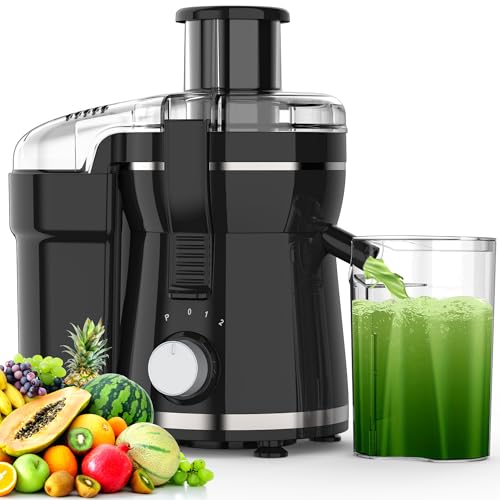
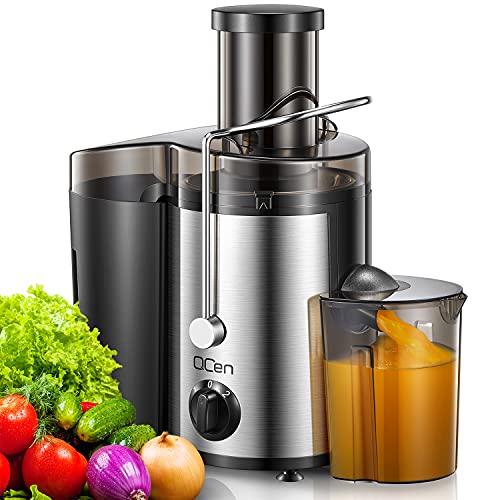
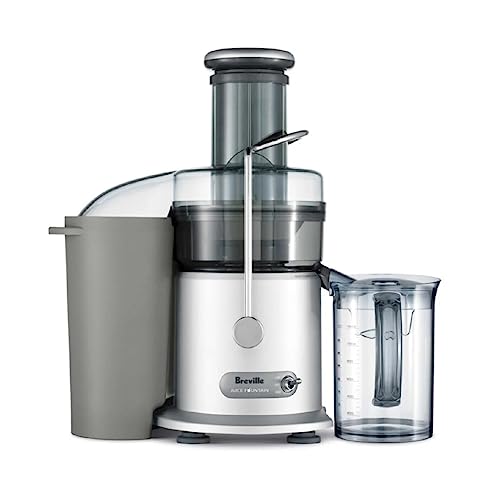
If you’re new to home juicing, start with a focused gear set, practical grocery habits, and a tight budget plan to avoid waste and confusion. You’ll want a reliable juicer, a basic knife, cutting board, and a mesh bag for greens. Prioritize a compact model with easy cleanups to reduce friction.
For groceries, shop by plan: leafy greens, apples, carrots, and celery rotate with seasonality, and buy in smaller, frequent batches to minimize spoilage. Track costs per glass to assess value, not hype.
Juicing sustainability matters: opt for reusable containers and energy-efficient devices. Use fresh produce to maximize flavor; this supports flavor enhancement without additives.
Keep receipts, compare brands, and cut impulse buys to protect your budget and science-backed results.
How to Juice for Real Health: Practical Combinations and Routines

Clinical evidence supports using targeted produce combos to maximize nutrient uptake, so you can build a practical routine without chasing hype. You aim for a steady, evidence-driven approach that favors balance over gimmicks, and you track results, not promises.
A practical juice plan blends nutritional balance with sensible volume and repetition.
- Pair leafy greens with citrus or ginger to aid mineral absorption and flavor enhancement
- Add berries for polyphenols while keeping sugar in check
- Rotate colors weekly to diversify phytochemicals and reduce monotony
- Use one protein or fiber booster (chia, flax) to steady energy and digestion
This approach stays skeptical: test, measure, adjust, and avoid exaggerated claims.
When Juicing Makes Sense: Use Cases for Different Lifestyles
Juicing makes sense when it fills gaps in your routine without overhauling it. For busy professionals, a quick juice can supplement meals, but it shouldn’t replace whole foods or protein.
For athletes, it can boost micronutrient intake on light training days, yet focus on hydration and electrolytes rather than volume.
Weekend warriors may use juice as a convenient snack, not a primary source of calories.
For parents, kid-friendly blends can improve fruit intake, as long as you maintain fiber elsewhere.
Be skeptical of juicing myths that promise instant health miracles; limits matter.
Taste matters too—Flavor preferences influence consistency, not just enjoyment.
Use cases should be data-driven, practical, and aligned with daily schedules and nutritional goals.
Common Juicing Pitfalls and How to Avoid Them
Common juicing pitfalls show up in the data as inconsistent results, nutrient loss, and time/gear costs that aren’t always worth it. You’ll see practical shortcomings when expectations aren’t matched by real-world feasibility or when shortcuts undermine health goals.
Here are clear, evidence-based tips to avoid these issues and keep your juicing plan efficient and effective.
Common Pitfalls Explained
While you’re excited to start juicing, you’ll want to know where it often goes wrong and how to avoid it. Pitfalls pop up in expectations, measurements, and routine. You’ll see data-driven gaps between hype and reality, especially around juicing myths and marketing claims. Stay skeptical: the benefits aren’t universal, and nutrient loss happens fast.
Plan for sugar balance, fiber retention, and cost per serving. Avoid overreliance on juice as a sole habit; diversify with whole produce. Track portions and macro impact so you aren’t chasing short-term gains.
Practical Juicing Shortcomings
You’ll encounter practical juicing shortcomings that often derail plans before they take root, from inconsistent yields to hidden costs. In real terms, you’ll measure output by efficiency, not just volume. Juicing myths promise transformative results, but variability in fruit density, moisture content, and pulp thickness erodes consistency across batches.
Costs mount: equipment depreciation, cleaning time, and frequent blade replacements add up, often eclipsing any short-term savings. Nutrient balance matters, yet juice can skew toward sugar-dense profiles if you chase flavors or blind-test recipes.
Storage and oxidation further degrade vitamins, minerals, and enzymes, so freshness should drive timing more than ambition. Approach with skepticism: quantify yields, track waste, and verify claims before investing, rather than chasing glossy promises.
Tips To Avoid Pitfalls
Juicing offers potential benefits, but practical pitfalls can derail your plan before you gain traction. When you plan, you’ll want concrete guardrails to stay objective and efficient.
- Watch for Juicing myths and unnecessary claims; test assumptions with small trials and measurable goals.
- Favor ingredient substitutions that preserve nutrition without inflating sugar load or calories.
- Track fiber loss versus juice yield; prioritize blended approaches when fiber matters more than convenience.
- Audit costs, equipment reliability, and cleaning time to make sure sustainable habits, not gimmicks.

Juicing and Whole Foods: Integrating Both for Balanced Eating
When you’re balancing juice with whole foods, the key is to treat juicing as a supplement—not a replacement—for fruit, vegetables, and protein.
You’ll get the most value by pairing fresh juice with fiber-rich options and varied proteins, not trusting juice to supply all nutrients. Data show juicing can concentrate certain vitamins, but it often reduces fiber and satiety, increasing total-calorie pressure if portions aren’t controlled.
Practically, design meals around whole produce and occasional juice as a side, not a main, to maintain blood sugar stability. Rely on seasonal produce to maximize nutrient density and minimize cost, and assess juicing technology for yield, waste, and preservation.
Balanced eating hinges on diversity, portion control, and evidence over marketing claims.
Frequently Asked Questions
Are There Risks From Juicing on an Empty Stomach?
Yes, there are risks from juicing on an empty stomach. Juicing digestion can irritate your stomach, and you may feel nausea or hypoglycemia. Juicing energy might spike briefly, then crash; monitor fiber and nutrient balance critically.
Can Juicing Replace Meals Long-Term Safely?
Sure, juicing alone can’t safely replace meals long term; you’d miss protein and fiber. For long term safety, supplement with balanced meals, monitor calories, and use juicing as a supplement, not a primary meal replacement.
Do Organic Fruits Juice Better Than Non-Organic?
Yes, organic fruits juice slightly more favorable, but differences pale when you consider pesticide residues and overall intake. You should weigh Organic benefits against cost, processing, and your juice’s fiber, sugars, and nutritional variability. Quantify real-life benefits skeptically.
How Many Servings of Vegetables Should I Juice Daily?
You should juice about 2–3 servings of vegetables daily, balancing with whole foods; this supports nutrient absorption and minimizes fiber loss. Be skeptical: frequency matters more than quantity, and excessive juicing may reduce satiety and overall intake.
Is There a Best Time of Day to Juice?
Juicing timing matters, but there’s no universal best moment. Timing considerations suggest you maximize around your schedule and digestion, not hype. Your best window may be morning or pre-workout; test, track results, adjust to ideal juicing hours.
Conclusion To Is Juicing Really Worth It?
You want a magic wellness wand, but juicing isn’t a guarantee, it’s a dietary checkbox with receipts. The data say quick nutrients, but fiber and satiety often vanish with the peelings. It can be convenient, costly, and sugar-loaded if you’re not careful. So, you’ll likely benefit from a hybrid approach: juice the high-impact greens, blend in whole fruits and veggies, and track how you feel in your real life.