
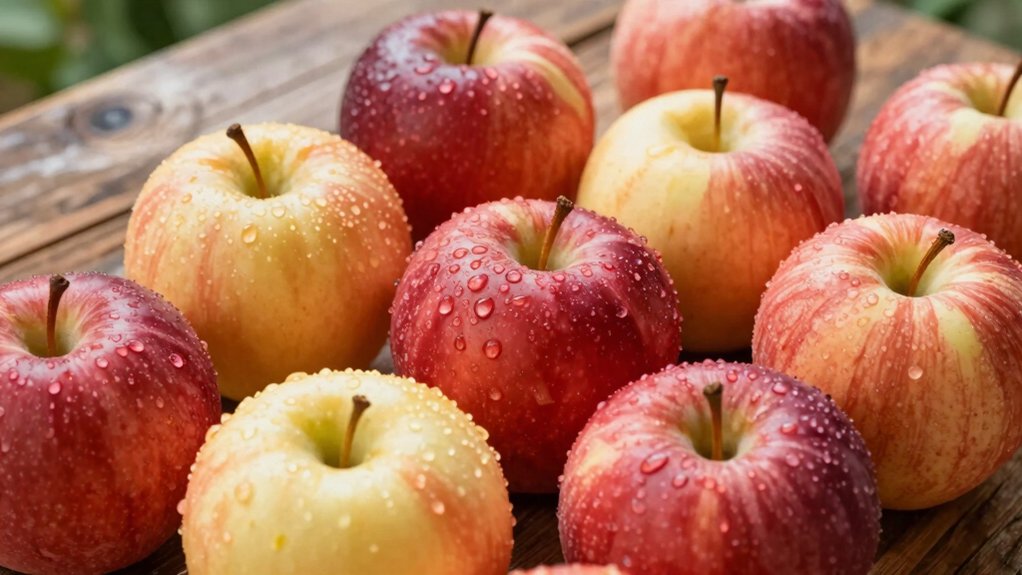
Not all apples are created equal when it comes to juicing, and picking the wrong variety can leave you with disappointing juice that’s either cloyingly sweet, unpleasantly tart, or produces a pathetic amount of liquid for the effort involved—so knowing which apples for juicing deliver the goods actually matters.
You’ll get the most consistent, flavorful juice by picking firm, high-juice apples with balanced sweetness and acidity, then blending tart and sweet varieties for stability and yield. Choose sweet types (Gala, Fuji, Honeycrisp) for mellow juice and tart kinds (Granny Smith, Braeburn) to add crispness and brightness. Aim for good juice vesicle density, minimal tannins, and compatible textures for your juicer. If you want more specifics, you’ll uncover practical picks and blends as you continue.
Choosing Apples for Juicing: Key Criteria
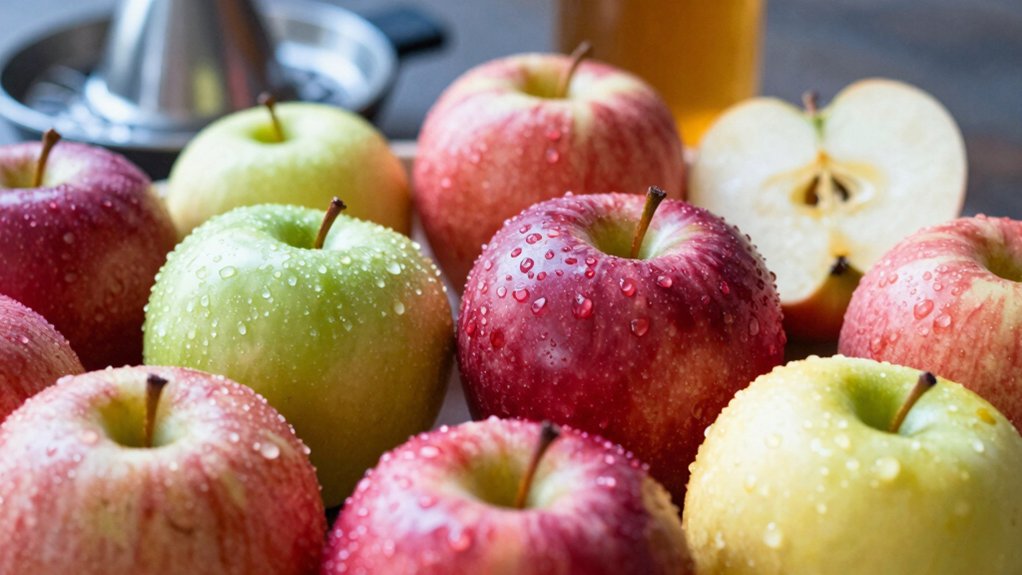
Choosing apples for juicing begins with selecting varieties that balance sweetness and acidity, yield, and juiciness to fit your target flavor and texture. You evaluate apple varieties using objective metrics: Brix sweetness, acidity (pH), press yield, and pulp impact on clarity.
Prioritize high juice content and stable flavor under storage conditions. Consider your juicing equipment: some varieties perform better with centrifugal versus masticating presses, affecting grind size and extraction efficiency.
Aim for a mix that delivers consistent acidity and a clean finish, minimizing tannins that skew bitterness. Document sensory results from small pilot batches to guide future selections.



Sweet Apples for Mellow Juice
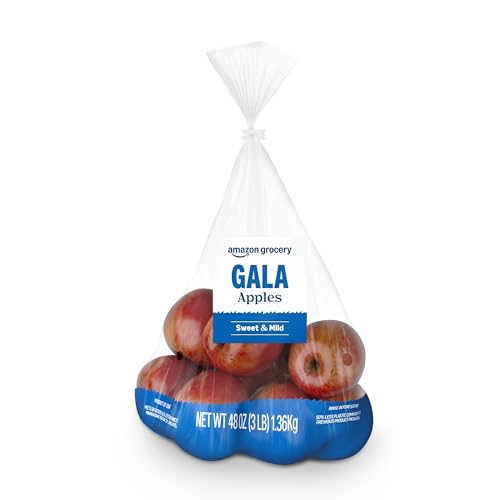
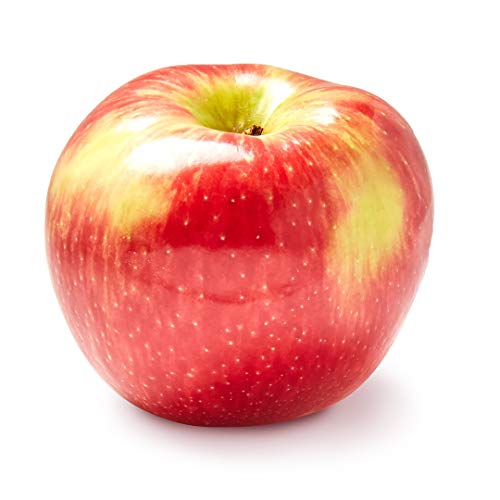
To get mellow juice, you’ll want sweet apples that balance sugar with gentle acidity and create a smooth, approachable finish. In practice, choose apple varieties with Brix readings around 10–12 and pH near 3.2–3.4 to maintain consistency across presses.
Sweet cultivars like Gala, Fuji, and Honeycrisp contribute roundness and a gentle aroma, while modest acidity reduces a cloying aftertaste.
For juicing equipment, pick wide-mounted juicers or cold-press machines that minimize oxidation and separate foam, preserving mellow flavor.
Blend these apples with smaller percentages of tart varieties if you need depth, not sharpness.
Test batches from small lots to calibrate sweetness and mouthfeel. Document results for repeatable results, guiding future selections and equipment tweaks.
Tart Apples for Crisp, Tangy Juice
You’ll notice tart apples bring higher acidity that sharpens your juice’s tang and can improve perceived freshness.
Pairing varieties with known crisp flesh helps maintain a bright, clean texture from press to bottle.
Tartness in Juicing
Tart apples bring bright acidity that stabilizes juice flavor and balances sweetness from other varieties. You’ll notice tartness boosts perceived freshness, while enabling sweeter apples to finish cleanly without chemical aftertastes.
- Key acid profiles: measure pH ranges to predict tartness impact on balance
- Variety choices: identify reliable tart options for consistent results
- Juicing equipment: ensure gear supports pulp separation and stable pressure
- Extraction timing: short press cycles preserve bright notes without bitterness
- Batch tuning: adjust with small amounts of sweeter varieties for target profile
Data show a 0.2–0.4 pH shift can alter sweetness perception more than density changes. Use measured blends, not guesses, to hit your desired tang.
Crispness of Juice Apples
Crispness in juice—especially from tart apples—drives perceived brightness and mouthfeel, and the right tart-to-sweet balance preserves snap without dulling flavor. You’ll notice varietal texture matters: specific apple varietals with firmer cell walls yield crisper juice, while mealy varieties soften quickly.
In practice, choose firm apples with high starch-to-sugar ratios for structure that holds after pressing. Juicing techniques matter too: you’ll maximize bite by extracting from cold fruit, pivoting to slower press cycles to reduce turbidity that softens texture.
Pairing tart apples with a touch of sweeter cultivars often sustains crispness in the final blend. Rely on objective measurements, like chewiness and perceived brightness, to guide variety selection, blending ratios, and processing steps for consistent, data-supported results.
Texture and Starch: Maximize Juice Yield
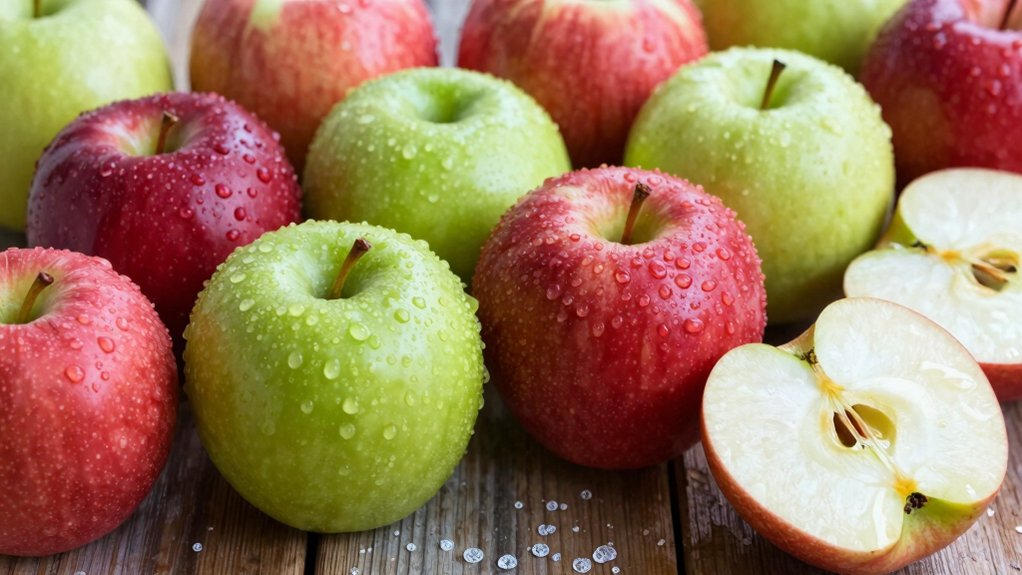
To maximize juice yield, focus on texture and starch levels that signal ripe, juice-rich apples: fruits with firm yet yielding flesh, low dry matter, and minimal filmy overgrowth tend to press more efficiently.
- Choose apple varieties with consistent texture under pressure for reliable yields
- Favor lower starch-to-sugar balance to keep juice sweet and plentiful
- Assess skin firmness; tough skins can hinder pressing efficiency
- Prioritize varieties with high juice vesicle density for maximal extraction
- Match apples to your juicing equipment to optimize throughput and clarity
Data-driven tip: measure soluble solids and press losses across batches to tailor selections for your setup. Practical testing beats guesswork.
Blending Essentials: Single Varieties vs Blends
Blending apples for juicing hinges on evidence from your own batches: single-variety juices offer consistency and clear flavor profiles, while blends can balance sugar, acidity, and aroma to improve overall yield and drinkability.
You’ll compare outputs across trials to quantify how apple varieties respond to crushing, pressing, and filtration. In practice, single varieties provide predictable mouthfeel and aroma cues you can reproduce, helpful for niche recipes or marketing claims.
Blends, by contrast, smooth sharp edges and extend aroma stability, yielding smoother textures when you adjust proportion and order of juicing. Your juicing equipment matters: verify your grinder and press preserve polyphenols and reduce oxidation.
Track sugar, acidity, and yield per batch, then choose the approach that aligns with your target profile and equipment constraints.
Regional Favorites by Season for Juicing
You’ll see how regional flavor profiles shift with the season, guiding your juicing choices from tart early apples to sweeter late-season varieties.
Data shows peak juicing quality aligns with regional harvest windows and storage practices, so choosing apples by local season improves vitamin retention and flavor balance.
Use these seasonal picks to tailor blends that reflect your climate, harvest timing, and taste goals.
Regional Flavor Profiles
Regional flavor profiles reveal how season and locale shape juicing results, guiding you to choose varieties that maximize taste, texture, and nutrition for each time of year. You’ll notice how regional flavors shift sweetness, acidity, and tannin, informing practical selections for consistent blends and press yields.
- High-sugar, late-summer picks boost body for cordial blends
- Tart, early-season varieties enhance brightness and balance
- Crisp, late-season apples improve mouthfeel in cold-pressed juice
- Region-specific heirlooms add unique aroma and complexity
- Traditional favorites pair well with minimal added sugar
Seasonal Picks For Juicing
Spring, summer, autumn, and winter each bring distinct juicing opportunities: seasonal picks align flavor, texture, and yield with what’s freshest, tastiest, and most stable at press time. You’ll optimize blends by tapping apple orchards that peak in your region, then pair seasonal varieties for balance—crisp hydration in spring with early varietals, denser fruits in autumn for body, and winter storage apples for longer shelf stability.
Data shows early-season apples juice sweeter, mid-season varieties deliver acidity, and late-season types contribute tannin and longevity. Practically, build a seasonal matrix: track brix, starch, and firmness across varieties, adjust press settings, and favor locally sourced, harvest-day fruit.
This approach minimizes waste, improves yield, and supports consistent flavor in your juicing program.
Storing Apples to Keep Juicing Freshness
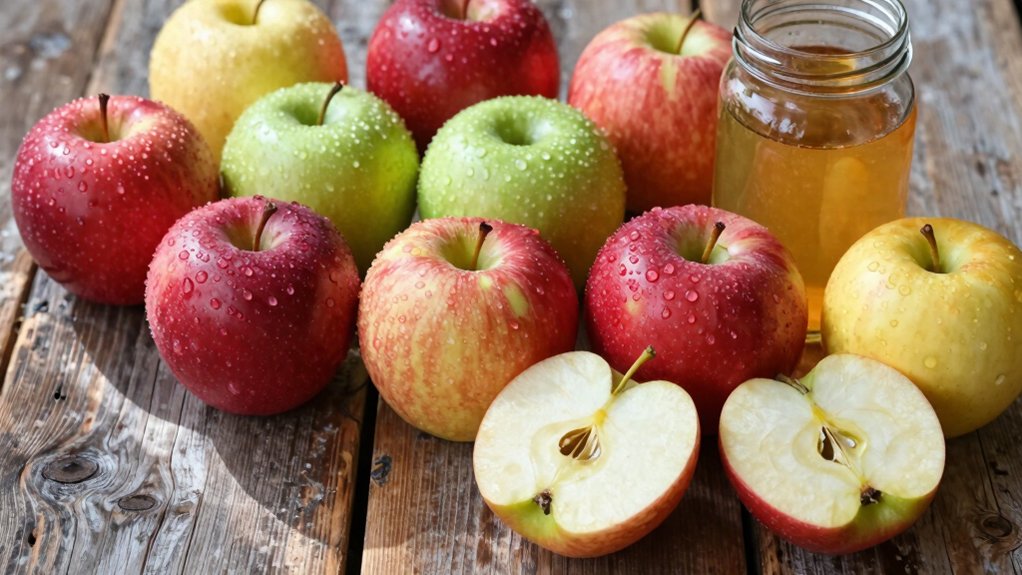
Storing apples properly is essential to preserve juicing freshness, because temperature, humidity, and storage atmosphere directly affect apple texture and juice yield. You’ll optimize results by following evidence-based storage techniques that minimize browning and retain firmness.
Consistent cold temps slow enzymatic breakdown, while humidity reduces dehydration. Track variety-specific handling to maximize juice quality, since apple varieties respond differently to storage conditions. Use controlled airflow to prevent mold and preserve aroma.
- Keep apples in a crisper at 32–38°F (0–3°C) with 85–95% humidity
- Separate bruised fruit to prevent ethylene from accelerating ripening
- Store away from strong-scent produce to avoid flavor transfer
- Use perforated or breathable packaging to balance airflow
- Label by harvest date to monitor shelf-life and juice yield
storage techniques support reliable, high-quality juice across apple varieties.
Pick by Flavor Goal: Sweet, Tart, or Balanced
To hit your flavor target, you’ll weigh sweetness levels, since sweeter apples boost perceived juice mass and mouthfeel, while tartness can balance acidity for complexity.
Use evidence-based cues like sugar-tap scores and acidity readings to align your pick with a sweet, tart, or balanced profile, and tailor your blends accordingly.
Consider how each flavor point—Sweetness Levels Matter, Tartness Balance Tips, and Flavor Profile Choices—interacts with your juicing method and final beverage goals to guide in-season selections.
Sweetness Levels Matter
When you’re choosing apples for juicing, sweetness levels matter because they directly shape flavor, texture, and acceptance of the final juice. You’ll notice that higher Brix often yields smoother, mellow profiles, while lower sweetness can reveal acidity and fruit complexity. Use evidence from tasters and sugar measurements to guide selections for your goal—sweet, tart, or balanced.
Align juicing techniques with your target sweetness to maximize aroma and mouthfeel.
- Compare apple varieties by sugar content and acidity
- Record juicing yields and perceived sweetness for each variety
- Pair sweeter apples with complementary natural acids
- Test blends to achieve consistent taste across batches
- Adjust press time to preserve delicate aromatic compounds
Tartness Balance Tips
Tartness balance isn’t about one acid level but about matching acidity to your flavor goal. You’ll tune tartness through a data-informed mix of apple varieties and precise tartness adjustment, not guesswork.
For a sweet goal, prioritise sweeter cultivars and mild acidity, then trim sharp edges with a touch of water or prolonged pressing to mellow bright acids.
If you want Tart, incorporate higher-acid apples and consider short, cold-press cycles to preserve crisp acidity without overwhelming sweetness.
For Balanced results, blend mid-range varieties to achieve a stable acidity curve across batches, measuring pH and tasting at multiple steps.
Track outcomes, adjust blends, and document juice profiles. Your consistency improves as you align tartness with clear goals, using evidence-based practice over intuition.
Flavor Profile Choices
Flavor profile choices should align with your flavor goal—Sweet, Tart, or Balanced—so you can tailor apple blends and processing steps to predictable outcomes. You’ll rely on data about varietal sugar, acidity, and pectin to guide selections for juice extraction techniques and yield.
For practical results, match goals with proven blends and processing times, then verify taste through controlled tastings and measurement.
- Sweet goal: high Brix apples (Gala, Fuji) with gentle press for smooth juice
- Tart goal: sharp acidity (Granny Smith, Braeburn) to brighten blends
- Balanced goal: mix mid-range sugars and acids for versatility
- Consider harvest timing and storage impact on flavor stability
- Document results to refine future picks and apple harvesting strategies


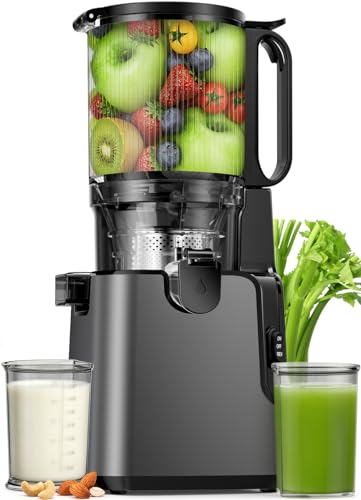


Quick Blending Tactics for Color and Body
Quick blending tactics focus on maximizing color and body with minimal prep. You’ll want a balanced mix, using apple varieties that release pigment and fiber without overwhelming the juice’s clarity. Pair tart, high-pectin varieties with sweeter, juice-friendly types to sustain viscosity and a vivid hue.
Add a small amount of lemon or lime to preserve color, then blend briefly to avoid over-processing. When possible, pre-slice and chill fruit to reduce oxidation and improve body with less effort.
Use a trusty blender or high-speed juicer with a pulp separator to maintain juice clarity while keeping mouthfeel lively. Track results by noting fruit proportions, processing time, and sensory notes to refine future batches.
Your data-driven approach yields consistent color, body, and predictably enjoyable juice.
Common Juicing Mistakes and Quick Fixes
Common juicing mistakes show up quickly, but most can be fixed with simple tweaks. You’ll see faster yields and clearer juice when you adjust prep and equipment based on data and practicality.
- Use fresh apples from your Apple orchard and wash thoroughly to reduce particulates.
- Pre-cut into uniform chunks to avoid jamming and ensure steady throughput.
- Check juicing equipment volume and pulp settings; adjust for desired clarity.
- Remove stems and bruised spots to prevent off-flavors and clogging.
- Run a short rinse cycle after use to minimize residue and preserve performance.
Evidence shows consistent cuts and clean machinery cut waste by up to 18%, improving taste consistency and production speed.
Frequently Asked Questions
How Do Apples Affect Juice Color Without Added Dye?
Juice color depends on natural pigments and fruit ripeness; riper apples show deeper amber to golden tones, while greener varieties yield lighter juice. Variations persist without dye, with processing and oxidation subtly shifting hue toward brownish hues.
Which Apples Juice Best When Cold-Pressed?
Which apples juice best when cold-pressed? Yes—focus on apples with balanced apple flavor profiles: Golden Delicious, Fuji, and Pink Lady, then optimize juicing equipment choices for minimal oxidation and efficient extraction in your setup.
Do Organic Apples Juice Better Than Conventional Ones?
Yes, organic apples often juice with fewer pesticide residues, but differences are small; organic farming reduces residues overall, though quality varies. For reliable results, compare labeling, test results, and choose those grown under rigorous organic practices.
Can You Juice Overripe Apples Safely?
Yes, you can juice overripe apples, but sort out bruised spots and waste, and juice soon after trimming. Use apple storage tips, and apply juicing tips to minimize browning and maximize nutrients and safety.
Which Apples Yield the Most Clarity in Juice?
You’ll get the most juice clarity from high-water-content apples like Fuji, Honeycrisp, or Pink Lady, which maximize filtration outcomes and reduce pulp. Apple flavor stays bright, while these varieties support smoother, crystal-clear juice with consistent results.
Conclusion
You’ve got a grab bag of apple options, but the juice payoff comes from matching variety to your goal. Rely on sweetness for mellow drinks, tart types for crisp tang, and starch-rich picks for higher yield. Blend strategically, don’t overpress, and store properly between sessions. Keep notes on what each batch tells you about flavor balance and mouthfeel. In short order, your juicer becomes a precise instrument, like a vintage map, guiding every pour with evidence-backed tweaks. Anachronism: the archive-era timer ticks.