
Table of Contents
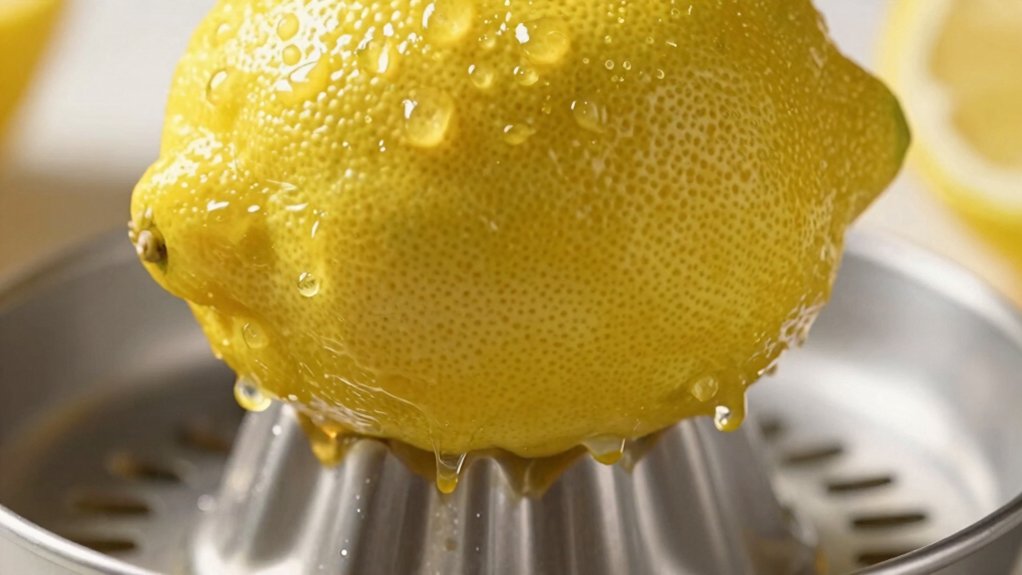
Whether you’re making fresh lemonade, adding zest to recipes, or creating healthy morning drinks, juicing a lemon efficiently makes the difference between getting a few disappointing drops and extracting every last bit of citrus goodness from the fruit. The art of juicing a lemon goes beyond simply cutting and squeezing – understanding preparation techniques like rolling and warming, choosing the right tools from hand-held reamers to electric juicers, and knowing which lemon varieties yield the most juice can transform this everyday kitchen task from frustrating to effortless.
To juice a lemon like a pro, start by warming it slightly and rolling firmly on the counter to loosen membranes, then squeeze with steady pressure while rotating to access all segments. Use a handheld juicer or palm to catch juice, tilt to avoid zest oils, and pinch out seeds to keep the juice smooth. If bitterness appears, snip nearby white pith and strain briefly. For best results, store and handle as noted, and you’ll uncover tips that sharpen every squeeze.
What Makes Lemon Juice Best and How to Prep for Max Yield
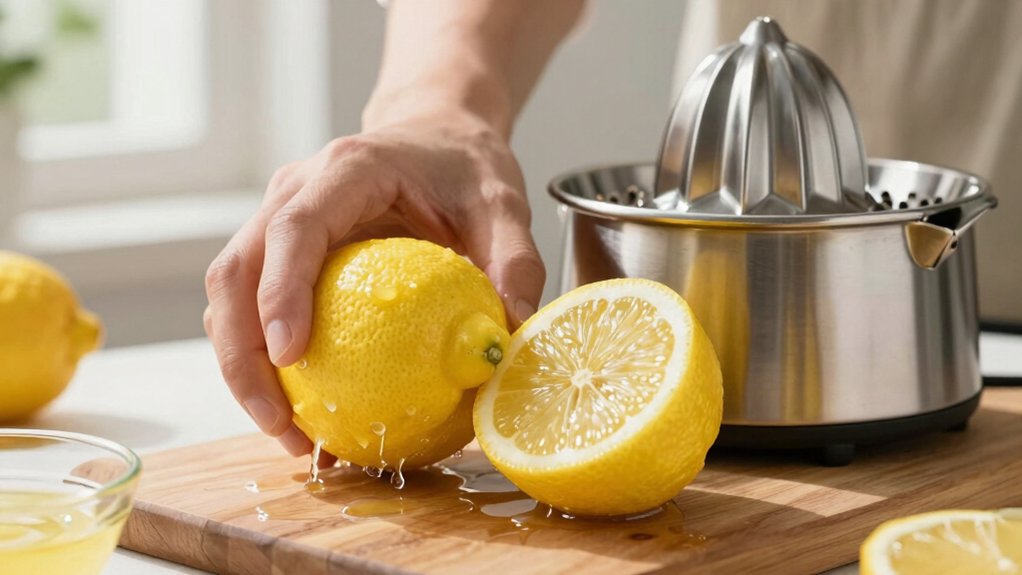
One key to maximizing lemon juice is picking fruit that’s bright, heavy for its size, and aroma-rich, which signals high juice content. You’ll juice more if you store lemons at room temp briefly to soften membranes, then at fridge temp for up to a week. Warm them slightly before squeezing to release liquid.
Use a sharp reamer or press, and rotate lemons to minimize seeds and pulp. For consistent yield, pre-roll on the counter to break internal compartments, then cut crosswise for even extraction.
Evidence-based guidance supports selecting organic or unwaxed fruit to avoid rind interference. Lemon health benefits come from consistent, fresh juice, while Lemon cultivation tips favor sun, drainage, and balanced watering for healthier fruit.
Avoid over-processing; aim for a bright, clean extraction without bitterness.
Maximize Yield: Squeeze Techniques That Deliver Every Drop
Start by pre-priming your lemon to loosen the juice and reduce seeds. Use a proper rolling method to break internal fibers, then apply efficient squeeze techniques that maximize extraction without wasted effort.
This approach sets you up with consistent, drop-for-drop juice and less mess.
Pre-Prime Your Lemon
To maximize lemon juice yield, give the fruit a quick warm-up: roll it firmly on the counter with palm pressure for 10–15 seconds to loosen the pulp and break cell walls. This pre-prime step raises juice by freeing trapped vacuoles without bruising.
After rolling, roll across a towel to extract heat and further soften the rind’s inner membranes. Choose room-temperature lemons for *ideal* elasticity, then cut just before juicing to minimize oxidation.
Use a clean hand or press to avoid contamination, and alternate squeezing directions to release both halves evenly.
While you prepare, consider the broader context: Lemon tree care supports consistent fruit quality, and citrus pest control reduces blemishes that hinder juice. Apply these practices to sustain reliable harvests and flavor.
Proper Rolling Method
A proper rolling method starts by warming and loosening the fruit: place the lemon on a flat surface and roll it firmly with the palm of your hand for 10–15 seconds to break up the pulp and free trapped juice.
- Apply consistent pressure to maximize juice without crushing the rind.
- Roll along multiple axes to crack membranes without tearing zest.
- Optional warm-up under a brief humid air blast to ease juice release.
- After rolling, zest first if you plan to use lemon zest, then juice.
- Remove seeds before squeezing by a quick pinch-and-plick technique surrounding the plug.
This method supports efficient extraction, reduces waste, and helps you control pulp and seed removal for a cleaner yield.
Efficient Squeeze Techniques
Efficient squeeze techniques maximize yield by applying steady pressure and controlled motion to extract juice without waste. You should position the lemon cut side up, grip firmly, and roll lightly to loosen membranes.
Then press with a steady, even force, rotating the fruit to access all segments. Use a handheld juicer or your palm to catch juice as you twist, avoiding squashing seeds.
For maximum extraction, tilt the lemon slightly toward the juicer so zest oils don’t contaminate the juice; this preserves flavor while you prevent bitterness.
After juicing, peel removal should be quick: capture any stray pulp, then scrape the peel to minimize waste. If you notice thick skins, warm slightly or re-roll to release more liquid, ensuring consistent yield.
Lemon zest adds brightness, but avoid overhandling to maintain clarity.


Keep It Seed-Free: Remove Seeds and Limit Bitterness
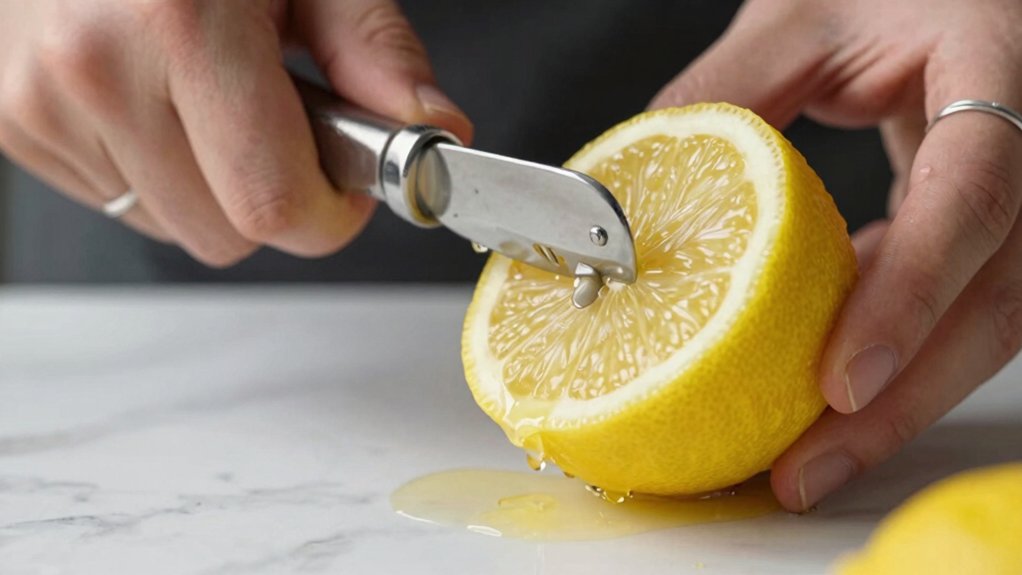
If you want a smooth lemon juice, start by removing seeds because they can add bitterness and grit. You’ll improve mouthfeel and flavor with quick seed removal and mindful handling.
For practical bitterness control, follow precise steps rather than rough squeezing.
- Use a paring knife to lift and discard seeds
- Gently roll the lemon to loosen membranes
- Snip any white pith near the seeds
- Test a small drop of juice for bitterness
- Strain juice through a fine mesh if needed
Seed removal and membrane trimming reduce bitter notes while preserving bright citrus. This approach supports consistent flavor without excess grinding or waste.
Must-Have Juicing Tools: Speed, Ease, and Results
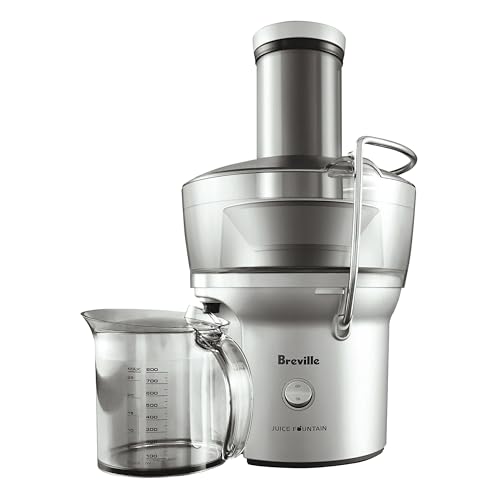
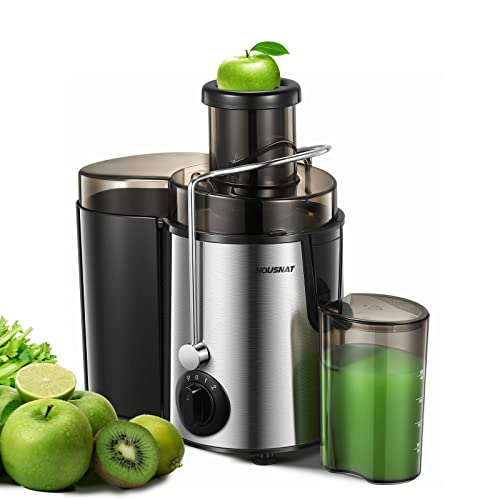
When you’re juicing lemons, the right tools save time and boost consistency, so you can concentrate on flavor rather than technique. A quality juicer speeds extraction and minimizes pulp, while a reliable reamer handles tough rinds without waste.
Choose a flick-and-squeeze option for quick batches or a motorized model for larger amounts; both paths improve results with less effort. Look for a design that’s easy to clean and compact enough for your counter space.
Consider lemon variety and how it affects yield and sweetness, as some skins resist juicing more than others. Do a brief Juicer comparison to evaluate extraction efficiency, noise, and maintenance.
The right setup sharpens accuracy, reduces waste, and delivers consistent citrus flavor across recipes.
5 Quick Steps for Fresh Lemon Juice in Daily Cooking
Lresh lemon juice quickly by prepping a few basics and using a simple sequence. You’ll get reliable juice for daily cooking with minimal waste and fuss. Focus on timing, balance, and flavor impact, using evidence-backed tips to maximize brightness.
- Prep: roll lemons firmly, slice in half, and warm to release juice
- Extract: juice with a handheld squeezer or reamer, catching seeds
- Zest: grate lemon zest for aroma and brightness, add sparingly
- Measure: drain juice into a quick-use cup to avoid over-adding
- Balance: taste, then tweak with a pinch of salt or a drop of honey if needed; note Lemon medicinal benefits when relevant
Keep freshness in mind, and use zest and juice promptly for vibrant, practical results.
How to Store Lemon Juice for Maximum Freshness
To keep lemon juice at peak flavor, start by freshening it with a quick stir and a splash of water if it thickens.
Chill it promptly in a sealed container to preserve brightness, and consider freezing larger portions in ice-cube trays for easy, long-term use.
For maximum longevity, label portions with date and store away from heat or light.
Freshen Lemon Juice
Freshening lemon juice starts with proper storage: refrigerate promptly in a clean, airtight container to slow oxidation and retain brightness. You’ll keep flavor vibrant by limiting air exposure and temperature swings, which preserves Lemon zest oils and the Lemon aroma.
- Use glass or BPA-free containers for minimal odor transfer
- Label with date and ideal consumption window
- Chill promptly after juicing, then keep away from strong-smelling foods
- Stir or swirl before use to reblend settled oils
- Freeze in ice-cube trays for quick, measured portions
Beyond storage, small adjustments help: add a pinch of salt to counter bitterness, or a tiny sugar touch if needed, but avoid over-processing.
Chill For Freshness
Chill promptly after juicing to lock in brightness; refrigerate lemon juice in a clean, airtight container and keep it away from strong odors. You’ll maximize freshness by storing at 32–40°F (0–4°C) and using it within 2–3 days. Label containers with date to track freshness and discard if there’s any off-odor or unusual color.
If you’re not using it soon, freeze in ice-cube trays for quick portions, then transfer to a sealed bag or container. When you thaw cubes, swirl instead of shaking to preserve texture and citrus aroma.
For best flavor, add a touch of lemon zest after thawing to boost brightness. Lemon zest helps maintain a vibrant citrus aroma without introducing moisture that accelerates breakdown.
Freeze For Longevity
If you’re not using lemon juice right away, freezing is the best way to preserve brightness and extend shelf life, and it’s simple to do. Freeze in small portions to control thawing and maintain flavor.
Choose airtight containers or silicone molds to reduce freezer burn, label with date, and note lemon zest or lemon peel additions if used. Thaw in the fridge or under cold water for quick use.
- Use ice cube trays or mini molds for easy portioning
- Add lemon zest or lemon peel before freezing for aroma
- Leave headspace to prevent ruptures in expansion
- Label each portion with date and contents
- Store at 0°F (-18°C) or colder for maximum longevity


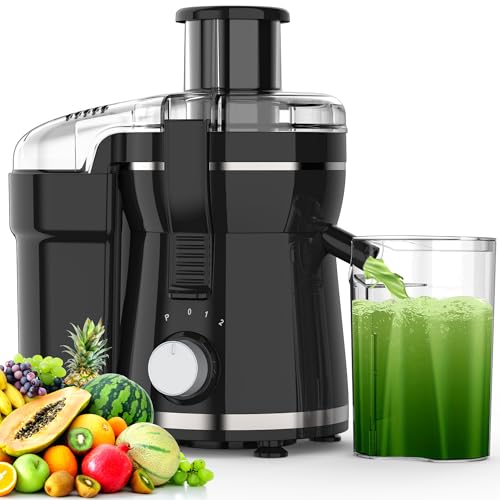
Lemon Juice Flavor Pairings and Versatile Kitchen Uses
Lemon juice shines when paired with bright, complementary flavors like garlic, herbs, and dairy, and it earns its keep by brightening both sweet and savory dishes. You’ll find it elevates vinaigrettes, marinades, and light sauces, while adding balance to oily or rich components.
Use it to brighten seafood, poultry, vegetables, and grain bowls, or to counter sweetness in desserts with a tart edge. For prep, add lemon juice near the end of cooking to preserve aroma and acidity.
Pairing notes: lemon zest elevates brightness when grated over warm dishes; lemon desserts benefit from a kiss of juice to set flavors without heaviness.
Practical tip: refrigerate freshly squeezed juice in small portions for rapid, repeatable use.
Troubleshooting Juicy Lemons: Common Issues and Fixes
When lemons feel dry or yield little juice, start by choosing fruit that’s heavy for its size and has a bright, slightly glossy rind. Then roll it firmly on the counter to loosen the pulp. You’ll improve yield by warming briefly or microwaving 5–10 seconds, then juice with steady pressure.
If pulp clogs the juicer, pause and squeeze by hand to prevent overstraining. For pulp removal, use a mesh strainer to catch fibrous bits, then press pulp back for remaining juice.
To avoid seeds, invert the lemon before final press and use a seed separator or pinch out seeds with clean fingers. If you still get low juice, check for overripe or under-ripened fruit and rotate stock.
- Warmth and proper pressing
- Quick microwave nudge
- Mesh strainer for pulp
- Seed separator use
- Fruit selection reminders
Frequently Asked Questions
How Long Does Lemon Juice Stay Fresh in the Fridge?
Fresh lemon juice lasts about 3 to 4 days in the fridge when kept in a tightly sealed container. For longer preservation techniques, freeze in ice cube trays; this extends shelf life while preserving best quality.
Can You Freeze Lemon Juice Without Losing Flavor?
Yes, you can freeze lemon juice without losing flavor. About 70% of aroma compounds stay after freezing, aiding flavor preservation. Use freezing methods like ice cube trays, then transfer to a labeled bag; thaw as needed.
Do Lemon Seeds Affect Juice Quality?
Yes, lemon seeds can affect juice quality slightly; seed removal helps avoid bitterness and grit. For best results, skim seeds during juicing and strain if needed. Seed impact is minor, but practical to remove seeds when precision matters.
Is It Better to Juice Lemons Warm or Cold?
Hot lemons win: you’ll get more juice when warm, but not hot. For best juice extraction methods, aim medium warmth and press firmly; avoid heat-damaged aromas. Temperature preference matters; cold dilutes flavor and reduces yield.
What’s the Best Way to Measure Lemon Juice Accurately?
Use measuring tools like a graduated citrus measuring cup and a kitchen scale; quantify juice by volume or weight for accuracy, and guarantee you optimize juice extraction with firm squeezing and a quick twist to avoid pulp.
Conclusion
You’ve learned lemon juice upside-down and right-side-up: how to maximize yield, skip seeds, and speed cleanups. Practical tip: warm citrus, roll firmly, and squeeze with purpose—no drama, just results. If a batch isn’t bright enough, coax more juice by a quick re-roll and a rest. Store smart, pair boldly, and don’t fear a bitter note—balance it with a touch of sweetness or salt. In short: squeeze, seal, savor—consistently.