
Table of Contents
Juicing a banana is quick and customizable. Start with ripe bananas—look for bright yellow skin with brown freckles, soft to the touch, and avoid green edges. Peel, remove the stem area, and slice before juicing to maximize yield; note that juicers extract more liquid with less sediment, while blenders preserve fiber for a thicker drink. Add citrus, yogurt, or greens to balance sweetness. Store promptly in airtight containers to prevent browning; more tips await beyond this overview.
Banana Juice in Smoothies: Why It Works and How to Use It
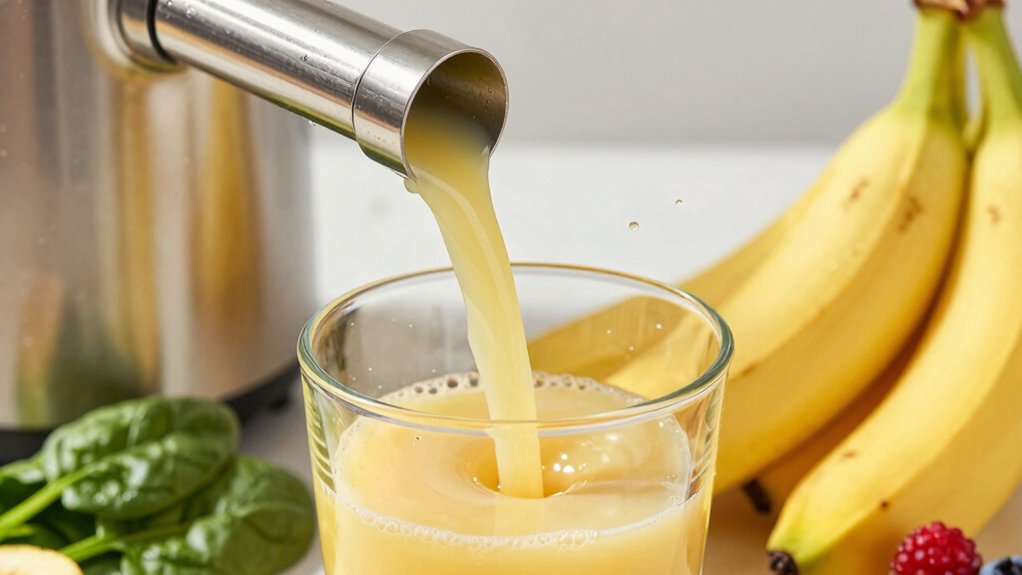
Banana juice in smoothies adds natural sweetness and creaminess, making blends smoother and more palatable without extra sugar. You’ll notice a balanced texture that supports dairy or non-dairy bases, helping you achieve a cohesive drink.
From a nutrition perspective, banana juice contributes simple carbohydrates and micronutrients, supporting quick energy without excessive calories when portioned. Incorporating banana juice can also influence mouthfeel, producing a velvety body that enhances perception of other flavors.
Consider banana peel benefits when discussing whole-fruit utilization, as some compounding compounds may affect fiber content and antioxidant intake, though peel use is variable by variety and preparation.
Be mindful of banana juice coloring, which can tint smoothies toward golden or brown hues, signaling oxidation and the need for timely consumption or antioxidant-friendly storage.
How to Pick and Prep Ripe Bananas for Juicing
When selecting bananas for juicing, look for fruit with bright yellow skin, brown freckles, and a firm to slightly soft texture.
Ripe bananas offer sweeter flavor and easier juicing, while overripe fruit can produce darker juice and more pulp.
Prepare by washing, peeling, and breaking the fruit into juicer-ready pieces to make certain smooth extraction.
Choosing Ripe Bananas
If you want juice with a smooth texture and consistent sweetness, start by selecting ripe bananas with a bright yellow peel and few brown spots. Choose bananas that yield slightly under-ripe firmness for juicing, avoiding green edges or overly soft spots. Examine the banana peel for integrity; ruptured skins indicate overripeness or damage.
Consider banana varieties—some produce milder flavors, others sweeter or creamier textures—so you can match your juice profile. Consume bananas within a few days of peak ripeness to preserve flavor and nutrient balance.
For juicing, avoid bruised fruit, as bruises can introduce off flavors and uneven consistency. Ripe bananas offer better natural sugars and viscosity, reducing the need for added sweeteners. Maintain consistent sizing when batching juices to ensure uniform blending.
Prep For Juicing Bananas
To prep bananas for juicing, start with ripe fruit that gives slightly beneath firmness when pressed and shows a bright yellow peel with few brown specks. You’ll get better juice yield and smoother texture with properly prepared fruit. Focus on removing potential off-flavors early to ensure a clean profile.
- Inspect for bruises and choose fruit that yields gently; avoid overripe, mushy bananas.
- Banana seed removal is typically unnecessary for common varieties, but if seeds are present, scoop them out.
- Banana peel benefits are enhanced when you wash thoroughly and discard the stem area to minimize bitterness before blending.
This approach supports consistent results, reduces pulp grit, and improves overall juicing quality.
Best Banana Juicing Methods: Pros and Cons
Juicing a banana offers a quick way to incorporate fruit into smoothies or juices, but the method you choose affects texture, sweetness, and nutrient retention. When selecting a method, consider equipment efficiency, pulp content, and ease of cleanup.
Blender-based approaches deliver smoother textures and higher fiber, but can require straining for juice-focused results. Juicer-based methods extract more liquid with less sediment, yet may minimize fiber benefits.
For quick results, mashing and soaking in a little juice yields moderate texture without heat exposure.
Banana peel benefits are debated; if peeled, you miss potential polyphenols present near the skin. Banana variety differences influence sweetness and flavor intensity, impacting post-juice taste and stability.
Banana Juice Flavor Pairings: Balancing Sweetness and Texture
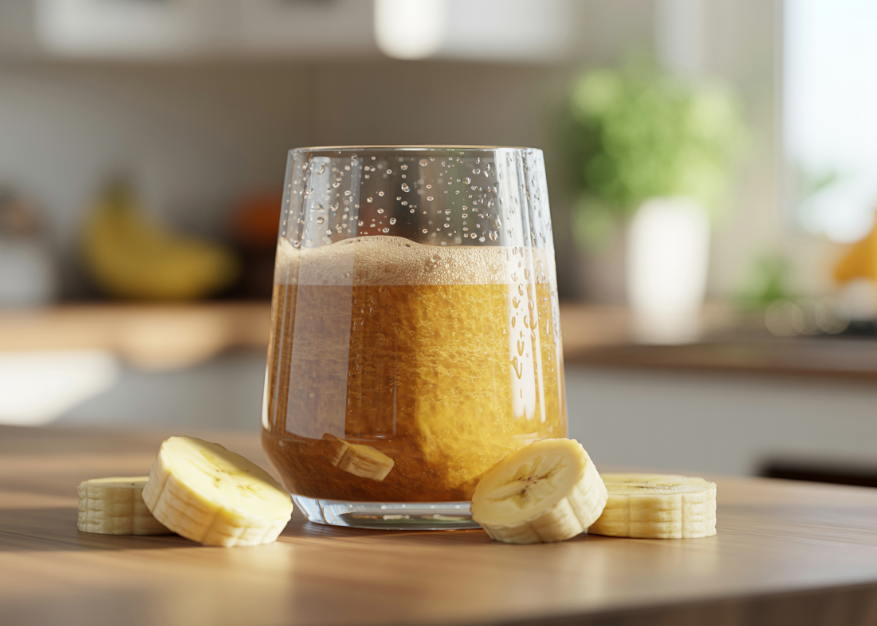
Banana juice provides a natural sweetness that pairs well with acidic, herbal, or creamy accents, helping balance texture without masking the fruit’s character. You’ll optimize flavor balancing by pairing banana with specific add-ins that complement sweetness and improve mouthfeel, rather than overpowering it.
Consider these evidence-guided combinations for texture enhancement and balance:
- Lemon or lime juice with a touch of ginger for bright acidity that lifts sweetness without sharpness.
- Greek yogurt or almond milk to add creaminess and body, smoothing—but not dulling—banana flavor.
- Fresh herbs (mint, basil) or cucumber for herbal freshness and a lighter, crisp texture.
These options emphasize concise, practical choices to achieve cohesive, balanced juice profiles.
How to Prevent Browning and Keep Banana Juice Vibrant
Preventing browning starts with minimizing oxygen exposure and controlling temperature, since enzymatic reaction and oxidation drive color loss in banana juice. You should juice ripe fruit promptly, keep containers airtight, and chill immediately to slow polyphenol oxidase activity.
Use a squeeze of citrus juice or ascorbic acid to form reducing agents that limit browning without altering flavor noticeably. For longer-term stability, consider rapid cold-hot pasteurization or high-pressure processing, which can reduce enzyme activity while preserving nutrients.
When preparing, you may remove banana peels to avoid introducing unwanted pigments, but note that banana peel benefits are largely contextual and depend on variety and handling. If you plan to store, label portions and monitor for color changes.
Also consider banana seed removal to minimize fibrous sediment.
Banana Juice Storage Tips and Quick-Use Hacks
You’ll want to prioritize freshness by using airtight containers and chilling promptly to slow browning and preserve flavor.
For freezer storage, freeze banana juice in portioned, labeled bags or ice cube trays and note the date to guide thaw times.
Quick-use hacks include freezing in silicone molds for measured portions and stirring after thawing to re-emulsify pulp and maintain a smooth texture.


Freshness Preservation Tips
To keep banana juice fresh, start with proper storage and quick-use strategies that slow oxidation and preserve flavor. Practical tips balance speed and quality, using evidence-backed methods to minimize browning and nutrient loss. You’ll notice that small adjustments in handling matter, especially around surface exposure and acidulation.
- Refrigerate promptly in an airtight container, leaving minimal headspace to reduce oxygen contact.
- Add a touch of lemon juice or ascorbic acid after juicing to slow browning from banana peel and banana mash contact with air.
- Use portions or ice-chill immediately for short-term use, then label with date for freshness tracking.
Note: Avoid discussing future freezer guidelines; focus stays on fresh storage and quick-use hacks.
Freezer Storage Guidelines
Freezing banana juice extends shelf life beyond quick-use limits, but it requires careful handling to preserve flavor and nutrients. You should chill juice promptly after preparation and use airtight containers to minimize freezer burn and odor transfer.
Label containers with date and contents, and freeze in portions that match typical usage to avoid repeated thawing. For best texture, avoid defrosting at room temperature; instead, thaw in the fridge or under cool running water, then re-blend if separation occurs.
Consider banana peel implications; if you include peels for nutrients, rinse thoroughly and note flavor changes. Remember that banana varieties influence sweetness and acidity, so note your juice’s initial profile before freezing.
Store continuously at or below 0°F (-18°C) for up to three months for quality.
Quick-Use Hacks Tips
Even with quick-use strategies, you can preserve banana juice quality by portioning it into ready-to-use sizes and keeping storage simple. You’ll minimize waste and maintain flavor by using small, airtight containers and labeling dates.
Use banana varieties with stable sweetness for predictable juice, and monitor texture after thawing if you freeze portions.
Storage tips are practical: refrigerate for short-term use, or freeze in pre-measured portions for longer windows.
Quick-use hacks save time during busy mornings, especially when you blend with other ingredients. Follow these steps:
- Portion into 1/2 to 1 cup servings in airtight jars or pouches.
- Label with date and banana variety for quick reference.
- Thaw in the fridge or blend directly if softened, avoiding repeated heating.
Troubleshooting: When to Juice vs. Blend
When deciding whether to juice or blend, consider texture, nutrient goals, and the fruit’s fiber content. You’ll note juice yields liquid with reduced fibrous bulk, which can ease calorie tracking and quicken digestion, but it omits much of the fiber.
Blending preserves fiber and results in a thicker beverage, improving satiety and slower glucose response. If you seek rapid absorption of micronutrients, juicing may fit; for sustained energy and gut health, blending is preferable.
For fruit combinations, pair banana with leafy greens or berries to balance taste and nutrient profiles, while minimizing sugar spikes.
Evaluate health benefits by monitoring energy levels and digestive comfort after each method. Use blending for whole-food benefits and juicing for a lighter, smoother texture, depending on your goals.
Frequently Asked Questions
Is Banana Juice Safe for Babies and Toddlers?
Banana juice can be offered in small amounts to babies and toddlers, but watch for banana allergy signs and total sugar content. You should introduce gradually, monitor reactions, and consult a pediatrician if any concerns arise about safety.
Can I Juice Overripe Bananas Without Waste?
Yes, you can juice overripe bananas, minimizing waste. Overripe banana benefits include sweeter flavor and smoother texture. For banana juice preservation, store in airtight containers, refrigerate up to 24–48 hours, or freeze for longer storage.
Does Blending or Juicing Affect Banana Sweetness?
Bluntly: blending can mute sweetness slightly, juicing may brighten flavor with more aroma. You’ll notice flavor preservation best in juice, while sweetness variation depends on exposure to air and processing speed.
How Does Banana Juice Interact With Dairy or Non-Dairy Milks?
Banana juice blends smoothly with dairy and non-dairy milks, though texture and sweetness shift. You’ll notice dairy interactions can thicken and mellow flavor; non dairy blending tends to brighten and lighten the mouthfeel. Consider your preferences, adjust sweetness accordingly.
Can I Use Banana Juice in Hot Beverages or Soups?
Yes, you can. For example, add warm banana juice to a spiced soup as a flavor twist. This banana flavor pairing works; store banana juice in the fridge, use within 2–3 days to preserve quality.
Conclusion
You’ve learned how banana juice works in smoothies and the best ways to prep ripe fruit. By weighing juicing vs. blending, you can tailor texture and sweetness to your goals while keeping nutrients in mind. Keep browning at bay with quick use or antioxidant-rich additions. Think of banana juice as the foundation—adaptable, economical, and versatile. With proper storage and pairing, your juice stays vibrant, fresh, and ready to power your day.