
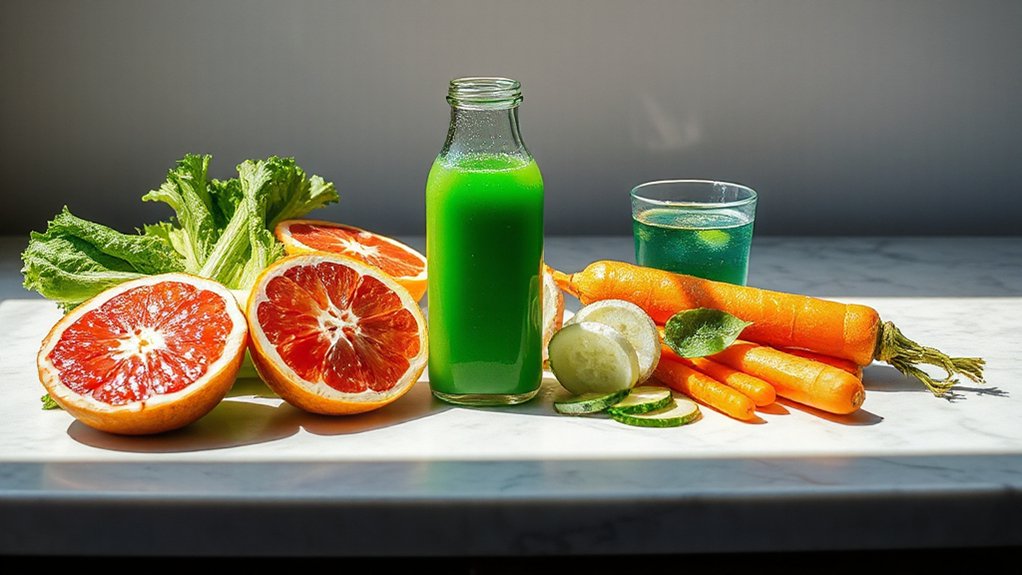
Bloating hits your gut when gas, water, and stool move oddly, but the right juices can ease that tension without adding heaviness. You’ll want lies of evidence-backed ingredients like cucumber, ginger, peppermint, and citrus that soothe and stimulate digestion, plus options like fennel or yogurt for probiotic support. Start with simple blends, store them properly, and track how your body responds to tweak your mix. There’s a practical path here that leads to steadier gut comfort—and it starts with a simple, focused juice.
What Bloating Is and How Juice Helps

Bloating is the feeling of fullness or swelling in the abdomen, often caused by trapped gas, overeating, or foods that don’t sit well. You’ll learn that bloating stems from gas buildup, slower digestion, and stool movement fluctuations, not a personal failure.
Juices can support this process by hydrating your gut and supplying gentle fibers and minerals that help motility. Hydration benefits include smoother transit and reduced water retention, while targeted flavor combinations encourage you to stick with a routine without feeling deprived.
Choose ingredients with anti-gas potential and balanced acidity to ease discomfort after meals. Pairing hydrating juices with mindful portions helps you feel connected to your body’s needs, reinforcing a practical, evidence-driven approach you can trust.
Key Gut-Friendly Ingredients That Reduce Bloating
Include ingredients that have a track record for easing gas and improving digestion. You’ll notice certain gut-friendly options consistently support comfort and routine, especially in juices. Peppermint and ginger soothe smooth muscle and may reduce bloating when used regularly.
Fennel seeds add gentle carminative effects, while lemon helps bile flow and digestion without overwhelming your system. Probiotic-friendly choices like yogurt or cultured additions in small amounts can contribute to a balanced microbiome, aligning with practical, data-driven goals.
Fermentation techniques release deeper flavors and potentially enhance beneficial bacteria, though keep portions modest. Herbal remedies such as chamomile or dandelion can be calming and supportive, but observe individual responses.
Aim for variety, moderation, and mindful tasting to foster belonging and sustained gut-friendly habits.
Five Easy Juice Recipes to Shrink Bloating Fast
If you’re looking for quick relief, these five easy juice recipes are designed to target bloating with simple, gut-friendly ingredients and practical prep steps. You’ll find each recipe uses minimal prep, measurable portions, and evidence-backed picks like cucumber, ginger, peppermint, and citrus to ease gas and water retention.
Juice preservation is addressed by making fresh juice in smaller batches and storing for up to 48 hours in a chilled container, preserving enzymes and flavor.
Ingredient sourcing matters: choose organic produce when possible, wash thoroughly, and prioritize low-FODMAP options to minimize fermentation.
Each recipe emphasizes balanced hydration, fiber-friendly pulp management, and practical substitutions so you can tailor blends.
These choices support consistent, trustworthy routines and a sense of belonging in a community focused on digestive health.
A Simple Framework to Customize Juice Blends for Digestion
You already know quick fixes help, but sustainable relief comes from a framework you can apply to any juice blend. A simple system starts with digestion goals, then selects ingredients that support gut function without sacrificing flavor.
Build your blends around three pillars: fiber-rich produce for bulk, fermented or probiotic-friendly options when available, and gentle anti-inflammatory elements. Track your responses to determine which components improve gas, bloating, or transit time.
Use a baseline recipe, then tweak with flavor combinations that complement stomach comfort rather than trigger sensitivity. When unsure, consider ingredient substitutions that preserve texture and nutrition while reducing acids or irritating compounds.
This framework is practical, data-informed, and adaptable, inviting collaboration, experimentation, and a sense of belonging as you refine your personalized juice method.
Daily Use Tips and Common Pitfalls to Avoid
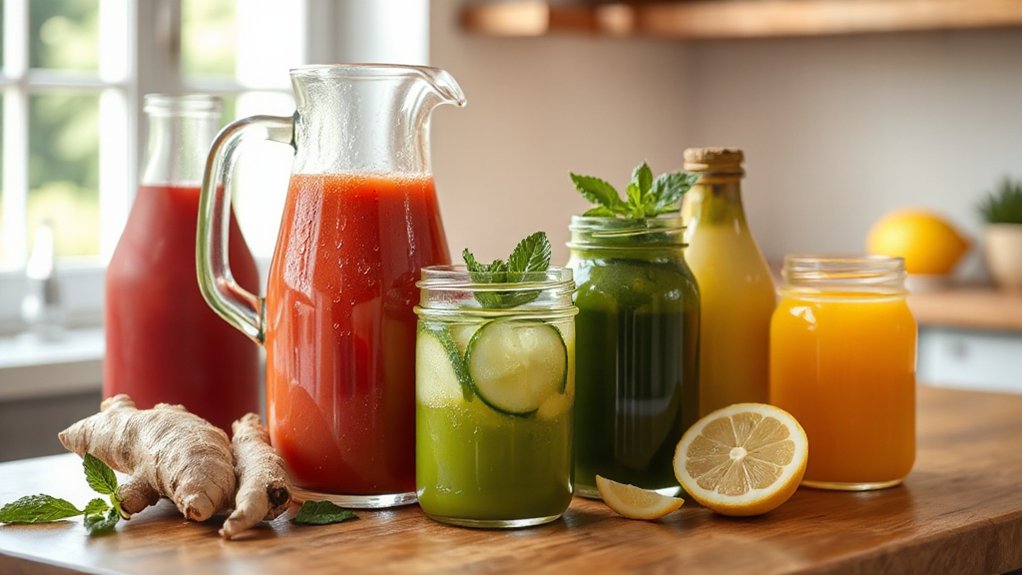
Daily use tips keep your plan effective and sustainable, so you can reproduce consistent results without guesswork. To avoid bloating setbacks, commit to Hydration strategies that support digestion without overdoing fluids around juice meals. Sip water steadily throughout the day and pair 8–10 ounce servings with your blends to optimize fiber movement.
Fiber intake matters, but ramp up gradually; sudden increases can backfire. Track how different ingredients affect you, and adjust portions to maintain comfort.
Consistency beats intensity: regular timing, predictable portions, and a calm mindset foster belonging and accountability. Watch for common pitfalls like skipping meals, relying on juice only, or ignoring sleep and stress.
Use mindful tasting, keep notes, and celebrate small wins as you refine your routine.
Frequently Asked Questions
Can Juicing Worsen Acidity or Ulcers for Some People?
Juicing can worsen acidity or ulcer symptoms for some people. Acidic triggers vary; you might experience ulcer aggravation due to citrus or tomato-based juices. Start slowly, monitor symptoms, and consult your clinician if pain or reflux intensifies.
Which Fruits Should I Avoid if I Have IBS?
Avoid high-FODMAP fruits like apples, pears, and mangoes if IBS acts up; choose lower-FODMAP options. Juxtapose cravings with Fruity restrictions, IBS triggers, and you’ll stay confident, practical, and connected while tracking symptoms and personal tolerance.
How Long Before Juice Reduces Bloating Symptoms?
Juice detox effects vary, but you can expect reduced bloating within 1–3 days with consistent intake. You’ll feel better as hydration benefits support digestion, energy, and gut comfort, reinforcing belonging through practical, data-driven routines you trust.
Do Blends Cause More Gas Than Single-Ingredient Juices?
Surprisingly, blends can cause more gas than single-ingredient juices for some people. You’ll notice this when flavor combinations expand ingredient diversity. If you’re sensitive, favor simple recipes, monitor reactions, and tailor blends to your digestion.
Is Pulp Fiber Necessary for Digestion and Bloating Relief?
Pulp fiber isn’t strictly necessary, but it often benefits Digestive health by adding bulk and steadying transit. You’ll notice fiber benefits when you include it; it supports gut comfort and aligns with data-driven, practical approaches for others.
Conclusion
Want proof that these juices really move the needle? The data points to gentler, gut-friendly blends that ease pressure, reduce gas, and smooth digestion when you sip consistently. You’ll feel lighter, more energized, and less bloated—yet the exact moment it hits can feel almost suspenseful. Stay curious, track what works, and tweak with the simple framework. The next sip might be the breakthrough you’ve been hoping for—if you listen to your body and keep at it.