

Like a quiet variable in a well-tarmed equation, fresh juice can influence weight management when paired with solid habits. You’ll benefit from hydration and nutrients, plus fiber-rich ingredients that curb hunger, but the impact depends on portions, ingredient choices, and how you fit juice into meals. You’ll see practical tips emerge for balancing carbs, fiber, and sugars, plus strategies to track progress without fixating on every number. Keep going to understand how to apply these insights reliably.
How to Use Fresh Juice for Weight Management: A Practical Starter
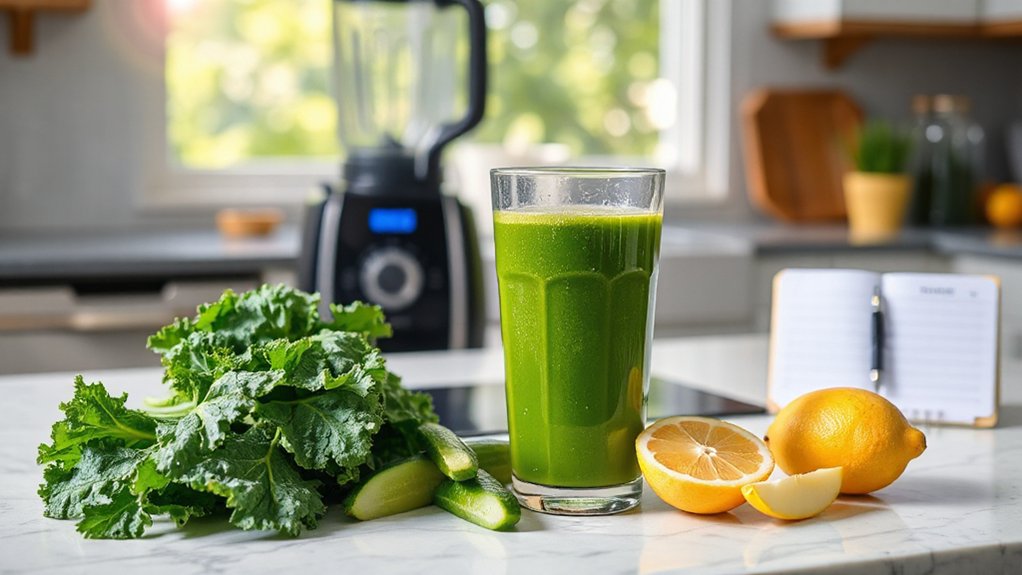
If you’re aiming to manage weight with fresh juice, start by pairing small, evidence-backed servings with a balanced diet and activity plan. You’ll rely on data showing modest, steady changes beat drastic shifts, so keep portions to 4–12 ounces per serving and pace your intake through the day.
Choose fiber-rich bases like leafy greens or cucumbers to support fullness, then add one fruit for flavor. Track calories and macro balance to stay aligned with your goals.
Flavor combinations matter for adherence, so rotate ingredients and test taste before committing.
Invest in reliable juicing equipment that preserves nutrients and minimizes waste.
Keep it practical: plan, measure, and adjust based on results, not hype, to cultivate a community-minded, sustainable approach.
What Makes Juices Satisfying for Hunger
Your hunger is influenced by how much juice you drink, its volume, and how palatable it is, so choosing a satisfying portion matters.
The right combination—ample volume, pleasant taste, and a smooth texture—helps you feel fuller longer, even with fewer calories.
Adding fiber and nutrients supports satiety signals without extra sugar spikes, making your juice choices more practical for weight management.
Hunger-Affirming Liquid Form
What makes juices feel hunger-affirming often comes down to a blend of volume, macronutrient balance, and sensory cues that signal fullness to the brain. You’ll notice that satisfying sips combine hydration with tangible weight from fiber and protein-friendly ingredients, while not overpowering your hunger signals.
Practical choices lean on evidence: moderate calories, steady glucose response, and enjoyable texture. When you plan, consider flavor balance, ingredient sourcing, and perceptual cues that reinforce fullness without heaviness.
- Flavor combinations that pair sweet and savory to enhance perceived fullness
- Ingredient sourcing emphasizing fresh, minimally processed produce
- Textural variety from pulp and smooth blends to cue fullness
- Portion-aware blends that maintain volume without spikes in sugar
Volume and Palatability Factors
How do volume and palatability drive hunger satisfaction in juices? You experience fullness from larger volumes that still feel light, helping you meet daily targets without overeating. Research shows that beverages with greater sipable volume can delay next-satiety cues, while maintaining pleasant mouthfeel supports continued intake without discomfort.
Palatability matters: appealing aroma, balanced sweetness, and smooth texture elevate satisfaction, making you more likely to commit to your plan. Practical design focuses on serving sizes that align with hunger cues and daily calories, not just taste.
Flavor enhancements—courtesy of natural fruit extracts and mild spice notes—can boost appeal without adding excessive calories. Use measured servings to preserve energy balance, and choose juices that feel satisfying enough to curb cravings between meals.
Fiber and Nutrient Impact
Fiber and nutrients play a key role in hunger satisfaction by slowing digestion, stabilizing blood sugar, and promoting a steady rise in fullness. When you drink juice, the fiber and nutrient mix supports satiety signals, helping you feel satisfied longer with fewer snacks.
Juice antioxidants contribute to cellular health, while mindful portions support steady vitamin absorption without spikes.
- Aiming for moderate portions supports consistent energy levels and appetite control
- You’ll notice smoother hunger cues as digestion slows and nutrients release gradually
- Pairing juice with a protein or fiber source enhances fullness and nutrient uptake
- Regular, varied intake supports vitamin absorption and overall resilience
This approach is data-driven, practical, and fosters belonging through reliable choices you can trust.
Balancing Carbs, Fiber, and Natural Sugars in Juice
Data show that pairing lower-glycemic fruits with fiber-rich vegetables can stabilize energy and curb cravings, supporting weight management. Practical strategies include choosing whole-food ingredients, balancing at least one fiber source per cup, and limiting added sweeteners.
Your selections influence hunger hormones and portion control, so mindful mixing matters. Flavor combinations matter for adherence, and ingredient sourcing matters for quality and nutrient density. Use evidence-based recipes and trust reputable nutrition guidance to optimize both satisfaction and metabolic outcomes.
How Much Juice Daily: Portioning for Your Goals
To meet your goals, portion juice based on total daily energy needs, activity level, and how juice fits into your broader eating pattern. People often err by assuming one size fits all, but your plan should reflect personal energy balance and satiety signals.
A practical approach: assign a small, fixed juice amount as a daily support, and adjust only after a couple of weeks of tracking. Use evidence-based portions tied to meals and snacks.
- Flavor combinations help control appetite and boost satisfaction
- Keep portions modest to avoid excess calories without feeling deprived
- Pair juice with protein or fiber for balance
- Storage tips preserve nutrients and flavor between uses
This framework supports belonging, consistency, and measurable progress.
Vegetable-Heavy Juices With a Small Fruit, Yes
Vegetable-heavy juices with a small amount of fruit can support satiety and steady energy without overloading calories. When you prioritize mostly vegetables, you reduce sugar load while keeping fiber and micronutrients intact, which helps appetite control and metabolic steadiness.
In practice, you’ll notice longer-lasting fullness between meals and fewer spikes in hunger hormones. Data from practical trials suggest that a modest fruit addition provides flavor without dramatically increasing calories or glycemic impact.
You can tailor blends to your goals, using vegetables with high volume and low calories, like leafy greens, cucumbers, and celery, plus a pinch of fruit for balance. Flavor combinations matter for consistency in your routine, and ingredient sourcing matters for quality and cost efficiency.
Juicing With Meals: A Daily Plan, Not a Replacement
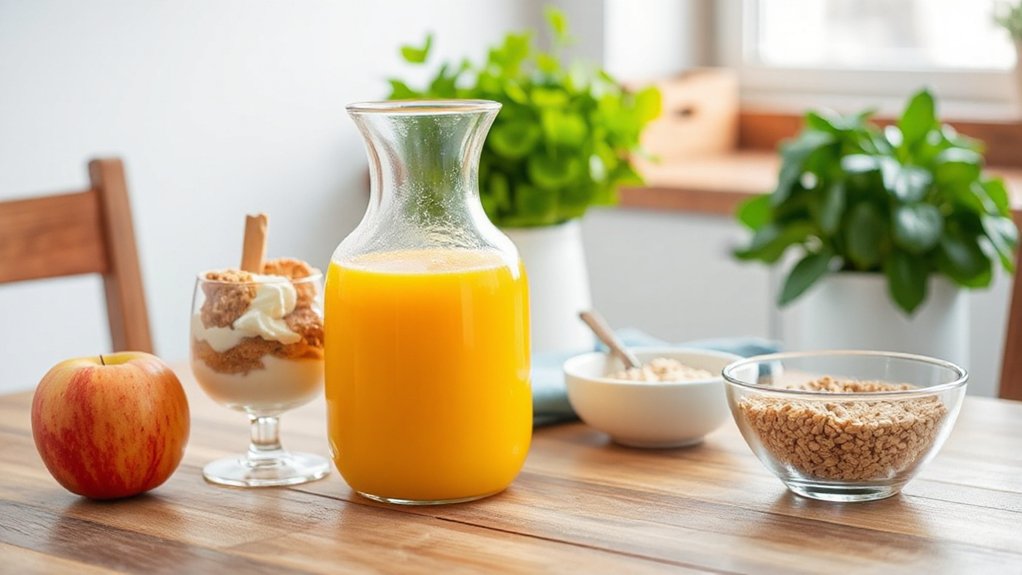
Juicing with meals can be a smart daily habit when it complements, not replaces, your regular eating plan. You’ll use evidence-based portions to balance calories, macros, and fiber, keeping satiety intact while adding micronutrients. When planned, juice acts as a flavor enhancement and a supportive tool for veggie intake, not a quick fix or cleanse.
Track portions and timing to prevent overconsumption and to sustain energy throughout the day. Embrace a steady routine with meals that include protein, fat, and fiber for fullness, using juice to boost veggies, not replace them.
- Visualize a colorful plate: greens, citrus, and herbs energizing a balanced meal
- Sip alongside protein-rich foods to sustain fullness
- Use juice detox concepts only as a timing aid, not a cleanse
- Taste-focused pairings improve adherence and belonging
Are Juicing Myths True? The Plain Truth About Juicing
Despite common beliefs, many juicing myths don’t hold up under scrutiny, and separating hype from facts helps you use juice effectively. You’ll find clearer Health Facts by weighing nutrients, calories, and satiety rather than chasing dramatic claims.
Myth Busting shows juice concentrates calories and sugars; whole fruits and vegetables offer fiber that slows absorption and supports fullness. Evidence suggests juicing can boost micronutrient intake when paired with a balanced diet, but it won’t magically replace meals or fix chronic overconsumption.
You should monitor portions, prefer vegetables and low-sugar fruits, and avoid relying on juice as your sole strategy. When you approach juice with realism, you join others seeking sustainable, data-driven choices that support lasting weight management.
Practical Tips to Maximize Fullness From Juice
To maximize fullness from juice, combine strategies that slow absorption and boost satiety while keeping overall calories in check. By pairing fiber, protein, and volume, you stretch digestion and curb cravings, supported by evidence on satiety markers.
Practical choices show smaller, more frequent servings improve fullness without spike-and-crash effects. Focus on flavor combinations that satisfy taste while adding functional ingredients for fullness and preservation.
- Fiber-rich additions (pulps, seeds) that extend digestion and create satisfying texture
- Protein boosters (Greek yogurt, plant-based powders) without excessive calories
- Volume enhancers (cucumber, leafy greens) for bite and grip
- Flavor preservation tweaks (cold pasteurization-safe spices, citrus zest) to maintain taste and freshness
These tips leverage flavor combinations and juice preservation to sustain fullness with mindful portioning.
When to Juice for Energy and Hunger Control
To maximize quick energy and curb hunger, you’ll notice that consuming a juice blend with modest natural sugars plus fiber supports steadier appetite control and alertness.
Evidence suggests pairing juice timing with workouts or mid-morning/afternoon slumps can sustain energy without overdoing calories.
Use it as a targeted tool—short, strategic servings around activity and meals—to manage hunger and maintain momentum.
Juicing For Quick Energy
If you’re aiming for quick energy and better hunger control, juicing can provide a fast, easily digestible nutrient lift that supports sharper focus and steadier intake between meals.
- Crisp greens and citrus unlock an immediate wakefulness without heaviness.
- Balanced combos reduce post-sip crashes and support sustained concentration.
- Quick absorption favors hydration, electrolytes, and mental clarity.
- Mindful prep emphasizes juice preservation and flavor enhancement for consistency.
Evidence shows that water-rich produce boosts energy with low caloric load, while fiber-free juice can spike glucose mildly, so pair with a protein snack if needed. Use small, frequent portions to avoid overload and maintain appetite signals.
For flavor, rotate ingredients and store correctly to prolong freshness, preserving nutrients. This approach builds belonging through predictable routines and data-driven choices.
Appetite Control Through Juice
For best results, juice soon after waking or between meals to curb snacking without triggering a post-meal slump. Pairing ingredients high in soluble fiber (like oats or chia in smoothie bases) with greens and citrus helps slow absorption and sustain fullness longer.
Juice fermentation plays a subtle role: lightly fermented blends may enhance taste and gut-referent signals without altering calories dramatically.
Explore flavor combinations that satisfy palate and appetite—mint with cucumber, apple with carrot, or ginger with citrus.
Fine-tune portions to match your daily energy needs and foster consistent, social, belonging-filled routines.
Timing For Sustained Energy
Timing matters: having juice at specific times can stabilize energy and curb hunger between meals. You can optimize your day by pairing juice moments with activity and appetite signals, using evidence-informed timing to minimize crashes and snacking.
Focus on hydration, protein, and fiber balance to sustain satiety, while recognizing rapid digestion can support or hinder endurance. Juice fermentation can influence digestion rate, potentially smoothing energy delivery, and flavor enhancement may boost adherence without extra calories.
Track how you feel after different serve windows to tailor routines to your needs. Consistency builds trust in your choices, reinforcing community belonging around healthier habits.
- Align juice moments with workouts or meetings for steady energy
- Note hunger cues and adjust portions accordingly
- Observe digestion timing to prevent midafternoon dips
- Experiment with flavors to support long-term commitment
Tracking Progress Without Obsessing Over the Scale
Tracking progress beyond the scale helps you stay motivated and focused on real habits. You’ll track meaningful metrics—energy levels, mood, sleep quality, and waist measurements—rather than chasing daily weight swings.
Evidence shows that gradual changes in body composition correlate better with long-term success than short-term fluctuations.
Set a simple, weekly check-in: note one behavior you sustained, one improvement, and one goal for the next week. Use practical tools like a log or app to visualize trends over 4–8 weeks, not days.
When you celebrate small wins, you reinforce behavior.
For flavor combinations, experiment with balanced juice flavors to support satiety without excess calories. Choose reliable juicing equipment, clean regularly, and keep portions aligned with your plan to avoid discouragement.
Frequently Asked Questions
Can Fresh Juice Sustain Long-Term Weight Loss Alone?
No, juice alone can’t sustain long-term weight loss. You should prioritize calorie control and balanced meals; use juice as a supplement, not a substitute. Evidence shows modest benefits from juice detox within a complete, sustainable plan, not solo.
How Does Juicing Affect Gut Microbiome Health?
Metaphor: gut gardens, you nurture them daily. Juicing supports gut diversity when paired with fiber; it can boost microbial balance, but excessive sugar risks imbalance. You’ll sustain results by varied produce and probiotic-rich choices, evidence-based, practical, inclusive.
Are Store-Bought Juices as Effective as Homemade Versions?
Store-bought juices aren’t as effective as homemade due to added flavors and preservatives; read labels at the juice shelf, choose options without flavor additives, and prioritize fresh or refrigerated options for more consistent, evidence-based results and belonging.
Should Juice Be Combined With Protein at Meals?
Yes—juice pairing with protein supports fullness and steadies blood sugar, enhancing protein synergy. You’ll boost satiety, sustain energy, and improve adherence with evidence-based portions. Practical, data-driven guidance helps you belong to a balanced, health-conscious community.
Is Juicing Safe for People With Diabetes?
Juicing can be okay if you monitor Blood sugar and Insulin response carefully; choose whole-fruit or veggie blends, limit portions, pair with fiber/protein, and track datasets from studies to stay safe and feel supported in your choices.
Conclusion
Juice can support weight goals when used thoughtfully, not as a replacement for meals. Base choices on fiber, protein, and vegetables, with modest fruit for sweetness. Evidence suggests juice boosts hydration and micronutrient intake, but excess natural sugars can undermine progress, so portion smartly. Track hunger, energy, and fullness, not just the scale. By pairing juice with balanced meals, you build sustainable habits. In short: sip strategically, stay mindful, and let data guide your decisions.