
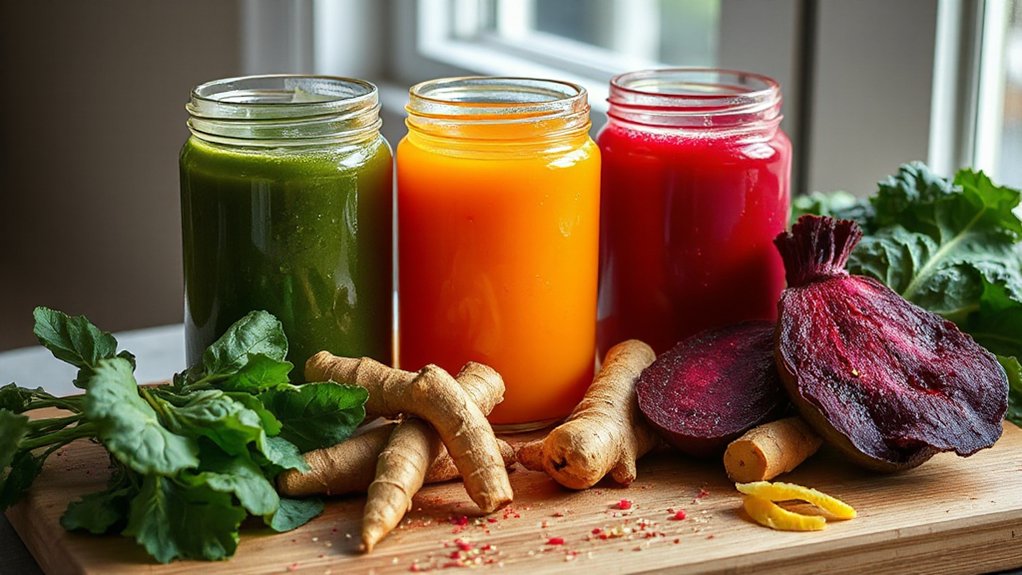
You might doubt a juice can meaningfully curb inflammation, but evidence supports the idea that antioxidant-rich blends can modulate inflammatory pathways. You’ll learn which ingredients matter, how to balance sugar, and simple routines to fit into busy days. With practical tips and a clear plan, you’ll see how everyday sips can support your immune health—without resorting to gimmicks. Curious about the exact combos and steps to start? Let’s explore what works best for you.
Understand Inflammation and How Juice Helps
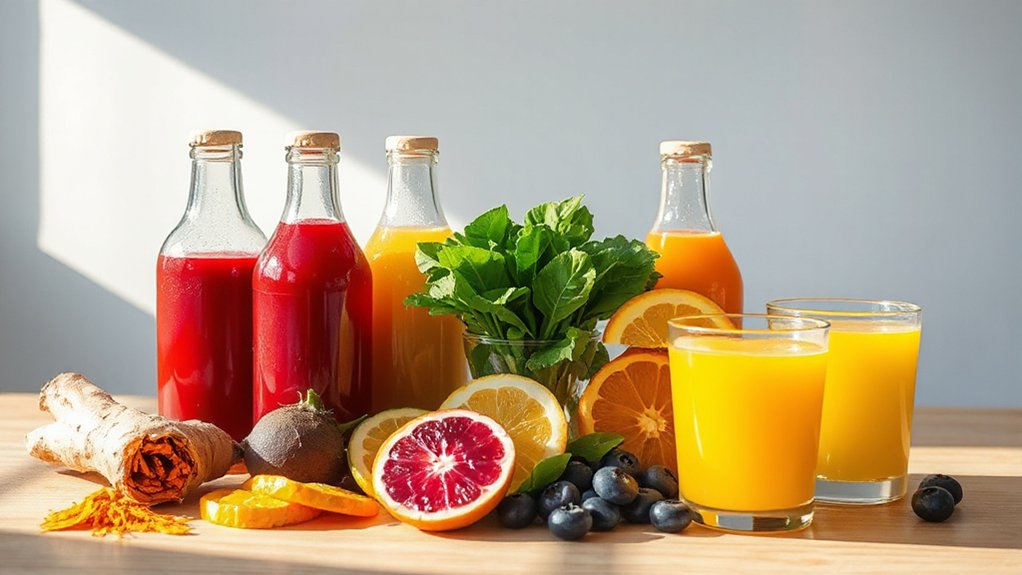
Inflammation is your body’s natural response to injury or illness, and it can become problematic when it stays active for too long. You’ll learn that inflammation isn’t the enemy by itself; it signals your immune system to respond.
Chronic inflammation, however, can contribute to discomfort and disease, especially with dietary triggers and certain chronic conditions. When you drink juice, you’re choosing to provide your body with nutrients that can support balance, like antioxidants and polyphenols that help modulate inflammatory pathways.
Practical evidence shows that regular consumption of plant-based juices, alongside a varied diet, may reduce inflammatory markers in some people.
Your goal is to understand signals from your body, tailor choices, and nurture a sense of belonging to a healthier, proactive community.
Core Anti-Inflammatory Ingredients
To build on what you learned about how juice can influence inflammation, focus on the ingredients that most consistently show anti-inflammatory effects. You’ll notice three core categories: powerful herbal extracts, nutrient-dense fruits and vegetables, and smart spice additions.
Herbal extracts, like turmeric and ginger, contribute curcumin and gingerols that support pathways linked to inflammation.
Antioxidant sources, including berries, leafy greens, and citrus, help neutralize free radicals that drive chronic irritation.
Consistency matters: aim for a steady intake rather than one-off bursts. Practical use comes from simple blends you enjoy and trust.
This approach invites belonging, because you’re choosing evidence-aligned options you can share with peers.
In short, prioritize herbal extracts and antioxidant sources for reliable anti-inflammatory support.
Balancing Flavor and Sugar in Anti-Inflammatory Juices
To balance flavor with sugar in anti-inflammatory juices, start with real, low-sugar ingredients and let their natural sweetness shine.
Choose produce like leafy greens, berries, cucumber, and citrus, and limit added sweeteners to keep sugar in check.
This approach preserves taste while staying aligned with anti-inflammatory goals.
Balance Flavor With Sugar
Balancing flavor with sugar is essential when crafting anti-inflammatory juices that taste good and support health. You’ll preserve taste while not undermining benefits, using a thoughtful sweetness balance and flavor enhancement. Keep your approach practical and evidence-based, focusing on natural sources and mindful portions.
Consider how each ingredient affects bite, brightness, and balance. Here are ideas to visualize:
1) Sweetness balance achieved by pairing tart greens with ripe fruit, so notes linger pleasantly.
2) Flavor enhancement through citrus zest or herbs, lifting punch without added sugar.
3) Texture contrasts from pulps or seeds that imply fullness and satisfaction.
4) Temperature shifts, serving cold for crisp, invigorating profiles that invite another glass.
Choose Low-Sugar Ingredients
Wondering how to keep anti-inflammatory juices flavorful yet low in sugar? You can achieve this by choosing low-sugar ingredients and balancing sweetness with whole-food textures.
Prioritize produce with natural fiber and water content, such as cucumber, celery, and leafy greens, which help dilute sugars while boosting volume. Add bright flavors from citrus zest or a splash of apple cider vinegar instead of sweet syrups.
When selecting produce, focus on fresh, in-season options to support ingredient sourcing that’s sustainable and affordable.
Monitor sweetness through gradual tasting and adjust with herbs like mint or basil for complexity. Sweetness management means taste-testing early, not after blending.
This approach respects flavor, supports health goals, and fosters belonging in a mindful juicing community.
Ginger, Turmeric, and Citrus: Healing Helpers
Ginger brings a notable anti-inflammatory boost, while turmeric’s compounds work synergistically with citrus to support your body’s defenses.
Together, these ingredients can enhance flavor and provide practical, evidence-based relief components for everyday inflammation management.
You’ll find simple ways to combine them in juices that are both tasty and targeted.
Ginger’s Anti-Inflammatory Boost
Ginger’s anti-inflammatory power shines when paired with turmeric and citrus, creating a practical trio that supports the body’s natural defenses. You’ll notice how ginger’s compounds ride along with turmeric’s curcumin, while citrus adds vitamin C for immune kinship. This synergy helps ease daily discomfort and supports joint function without hype.
- Ginger cultivation tips help you source fresh roots, enhancing flavor and potency.
- Anti-inflammatory myths debunked: you don’t need miracles—consistent use matters.
- Simple juice principles: combine a thumb of ginger, a pinch of turmeric, and citrus juice.
- Practical routines: sip-minded, not rush-through, to sustain steady relief.
In practice, embrace ginger as a steady ally, stay curious, and share findings with your wellness circle.
Turmeric and Citrus Synergy
Turmeric and citrus form a powerful pairing for reducing inflammation, especially when you sip them together with ginger.
When you combine turmeric and citrus, you boost absorption of curcumin and its anti-inflammatory effects, especially with a pinch of black pepper.
You’ll notice smoother digestion and steadier energy as these compounds work in concert.
Choose citrus varieties like lemon, lime, or orange to add brightness and vitamin C, which supports immune function and collagen health.
Keep portions sensible to avoid overwhelming flavors, and stay mindful of interactions with medications.
This duo fits into everyday routines, offering practical, evidence-based benefits.
Turmeric benefits are amplified by fresh juice blends, making you feel connected to a healthier, shared path.
Building an Anti-Inflammatory Juice Routine
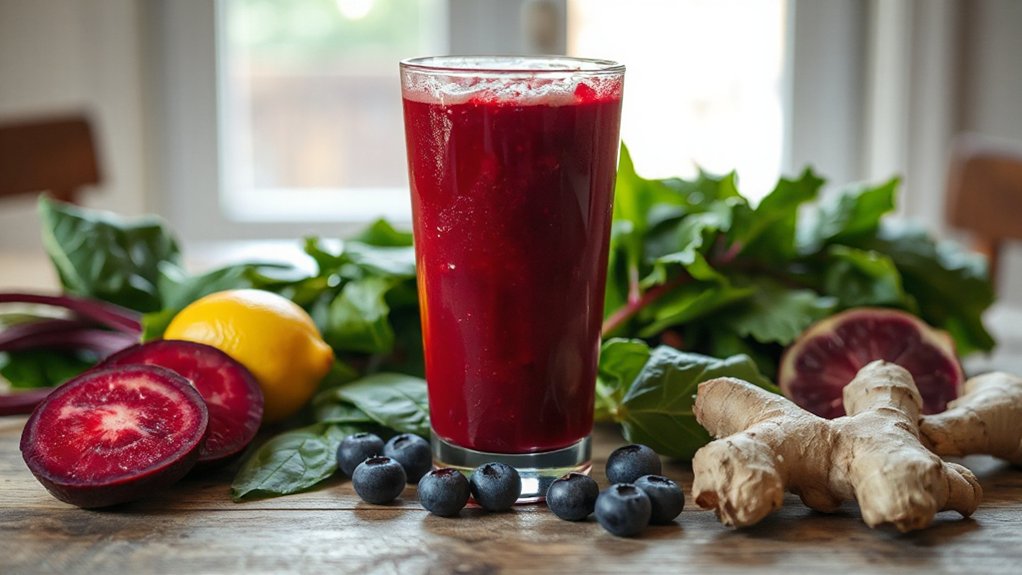
To build an effective anti-inflammatory juice routine, start by pairing ingredients with proven anti-inflammatory compounds—like ginger, turmeric, leafy greens, berries, and citrus—so you get a steady supply of phytonutrients throughout the week.
Build consistency by planning simple, repeatable blends you enjoy, then rotate flavors to cover a broad spectrum of nutrients.
- Pick a core green base (spinach or kale) for volume and minerals.
- Add a fruity note (berries or citrus) for vitamins and taste.
- Fold in a warming spice (ginger or turmeric) for daily anti-inflammatory punch.
- Finish with a hydrating liquid (water, coconut water, or herbal infusion) to support digestion.
Herbal infusions and Juice cleansing concepts can support routine adherence while staying evidence-based and practical.
Make, Store, and Customize Your Blends
You can make, store, and customize your anti-inflammatory blends so they stay fresh and tasty throughout the week. Start with a reliable juice container that seals tightly and is BPA-free to preserve nutrients and prevent oxidation.
Batch small volumes, labeling each with date and intended flavor profile to stay organized. For storage, keep blends in the fridge for up to 72 hours, or freeze portions for longer ahead planning.
When customizing, consider core flavor profiles—green, citrus-forward, or berry-rich—then adjust with ginger, turmeric, cinnamon, or mint to suit mood and inflammation cues.
Gentle heat exposure should be avoided to protect enzymes. Re-blend before drinking to refresh texture and aroma, ensuring each sip supports consistent inflammation-management and a sense of belonging in your wellness routine.
Frequently Asked Questions
Can Juice Alone Cure Chronic Inflammation or Disease?
No, juice alone can’t cure chronic inflammation or disease. You should combine dietary supplements and herbal remedies with medical care, balanced diet, and lifestyle changes, because evidence supports moderation, consistency, and professional guidance for meaningful, lasting improvements.
Are There Any Side Effects From Frequent Anti-Inflammatory Juicing?
Yes, frequent anti-inflammatory juicing can cause side effects like nutrient imbalances and digestion issues. You should monitor Juice concentration, stay mindful of nutrient absorption, and pace intake to avoid overload while staying connected with trusted guidance.
How Much Juice per Day Is Safe for Inflammation Support?
You should limit juice for inflammation support to moderate portions, around one serving daily or every other day. Monitor your intake, consider juice concentration, and adjust serving frequency based on how your body responds and tolerates it.
Do All Juicers Preserve Phytonutrients Equally?
Not necessarily. Juicer efficiency varies, and you don’t preserve nutrients equally. You can maximize nutrient retention by choosing slow, cold-press options, paying attention to exposure time, and consuming juice soon after extraction for better nutrient retention and overall adherence.
Can Children Safely Drink Anti-Inflammatory Juices Regularly?
Yes, with caution: children can drink anti-inflammatory juices, but practice juice moderation and prioritize whole foods. You should monitor portions, avoid added sugars, and seek pediatric guidance to guarantee child safety and evidence-based choices that foster belonging.
Conclusion
You’ve got the tools to juice smarter, not harder. By focusing on greens, berries, ginger, turmeric, and a splash of citrus, you support steady anti-inflammatory benefits without spiking sugar. If you worry about taste, balance bold greens with fruit and a hint of ginger to keep flavor satisfying. Consistency beats intensity, so aim for a simple daily blend you actually enjoy. Small, regular choices add up—fuel your inflammation-friendly routine with delicious, practical juice wins.