

Juicing can boost your intake of vitamins, minerals, and hydration quickly, especially when you use leafy greens and citrus. It’s practical for a busy day and convenient for increasing veggie intake, but it isn’t a fiber replacement. Watch sugar from fruit and portions to avoid extra calories. Pair juice with fiber, protein, and healthy fats to slow digestion. If you keep exploring, you’ll learn how to juice wisely and build a balanced plan.
Why Juicing Matters: Nutrients, Sugar, and Calories Explained
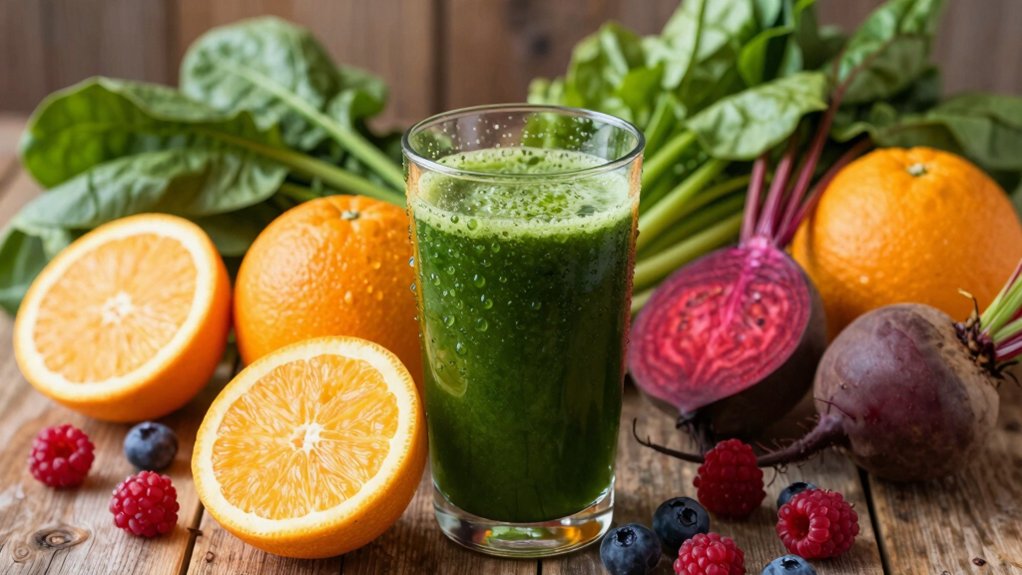
Juicing can be a convenient way to boost fruit and vegetable intake, but it isn’t a magic fix for nutrition. You’ll get vitamins, minerals, and phytonutrients from juice, yet the fiber content drops compared with whole produce. This matters for satiety and blood sugar regulation.
Calories and sugars can still add up quickly, especially if you rely on sugary fruits or concentrate blends. To stay balanced, pair juices with fiber-rich foods or enjoy them as part of a meal rather than a standalone snack.
Be mindful of processing and storage, since light, heat, and air can degrade nutrients. When you explore Juicing recipes, choose flavor combinations that emphasize vegetables, and use fruit mainly for palatability and variety, not excessive sweetness.




What You Gain: Quick Nutrient Boosts and Convenience
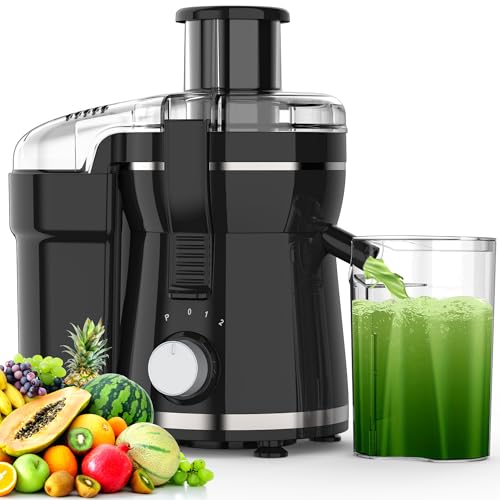
Juicing can give you a quick influx of nutrients when you’re short on time, which may support breakfast routines or midday energy.
You’ll often get a concentrated intake of vitamins and minerals from fresh produce, though amounts vary by ingredients and preparation.
Consider how this convenience fits your schedule and overall diet, and be mindful of balancing juice with whole foods.
Quick Nutrient Boosts
Even when you’re pressed for time, fresh juice can deliver a quick nutrient lift by providing easily absorbed vitamins and minerals alongside hydration. You gain a rapid intake of fruit and vegetable compounds without chewing, which can support short-term energy and micronutrient targets when meals are skipped or delayed.
Evidence suggests benefits depend on the juice’s composition, not just volume, so prioritize vegetables, moderate fruit, and minimal added sugars. Juicing recipes that emphasize leafy greens and citrus can improve vitamin C and potassium delivery without excessive calories.
However, fiber is largely removed, so use juice to supplement, not replace, whole fruits and vegetables. Store juice properly: refrigerate promptly, limit light exposure, and consume within 24–48 hours to preserve nutrients and reduce spoilage risk. Juice storage matters for reliability.
Convenience Benefits
So, how does juicing add convenience to your routine without sacrificing nutrition? Juicing can streamline nutrient intake by delivering a concentrated dose of vegetables and fruits in a single glass, which may save time during busy mornings.
It’s practical to batch prep ingredients, portion them, and refrigerate or freeze using reliable storage techniques to preserve vitamin integrity. This approach supports quick, on‑the‑go consumption without requiring full meals, though you should pair juices with fiber-rich foods to balance blood sugar.
To keep variety, explore flavor combinations that emphasize greens, citrus, and herbs. Be mindful of sensory fatigue; rotate produce to maintain interest.
Track freshness, plan spoilage checks, and avoid overlong storage.
Drawbacks to Watch: Sugar, Fiber Loss, and Satiety Gaps
For many people, the main drawbacks of juicing are practical and measurable: added sugars, reduced fiber, and gaps in fullness that can spark overeating later. You may notice sugar spikes after a juice, especially when it contains fruit-heavy blends or sweetened components.
Fiber loss means you miss the bulk that slows digestion, which can blunt satiety and extend hunger between meals. Evidence suggests that juice can deliver micronutrients efficiently, but the absence of pulp reduces fullness signals and steady energy.
Practically, portion control matters; a large juice can push daily sugar intake higher than intended. If you’re blending for nutrients, consider including some pulp or choosing vegetables and lower-sugar fruits to mitigate these effects without sacrificing variety. Monitor portions and satiety to tailor your approach.
Who Should Juice: Best Use Cases and Limitations
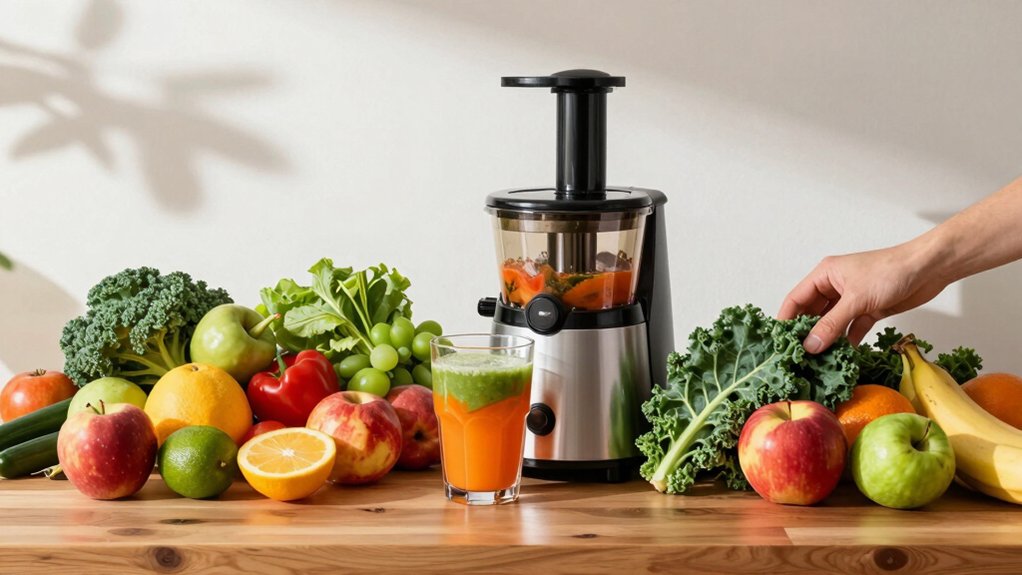
You can benefit from juicing when you’re chasing targeted nutrients that are hard to fit into a busy day, like certain vitamins or phytonutrients. It’s most helpful for incorporating vegetables into meals, brief short-term goals, and when you’re combining juice with whole foods to avoid missing fiber.
Be mindful of limits: juice won’t replace meals, and some people may experience digestion or blood sugar effects that require cautious use.
Targeted Nutrient Benefits
Juicing can be advantageous for targeted nutrient intake when used thoughtfully, especially for people who struggle to consume enough fruits and vegetables in whole form.
You can tailor blends to emphasize vitamins, minerals, and antioxidants that support your goals, but beware of dilution and missing fiber. Use a cautious approach: prioritize variety, avoid excessive sugars, and complement juice with whole produce.
- Focus on greens for folate and chlorophyll, alongside a small fruit portion to balance flavor
- Integrate citrus or ginger to boost absorption and taste without added sugars
- Monitor sodium if using vegetable-heavy blends, especially for blood pressure
- Plan flavor combinations with herbs and spices to enhance enjoyment and nutrient diversity
Note: maintain proper juice storage to minimize nutrient loss and spoilage.



When Juicing Is Helpful
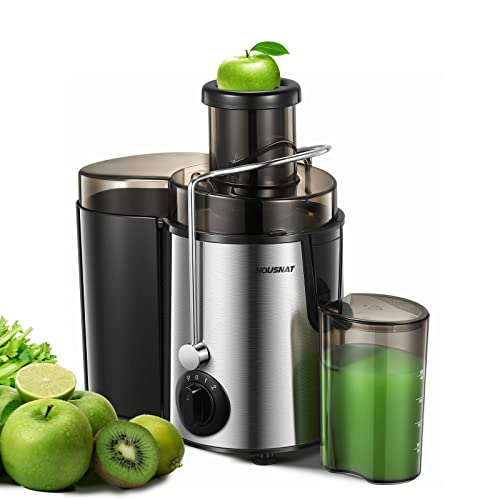
Juicing can be particularly helpful for people who struggle to meet daily fruit and vegetable targets or who need quick, convenient access to concentrated nutrients. When used thoughtfully, it supports targeted intake without replacing whole produce.
You’ll benefit when juice routines complement, not replace, meals. Evidence supports selective use for short-term goals like increasing fiber intake from pulp, aiding hydration, and delivering micronutrients efficiently.
Choose juices that emphasize vegetables and include modest fruit for palatability, balancing flavors with overall sugar load. Practical strategies include using a consistent juicing equipment setup that’s easy to clean and maintain, and planning flavor combinations that avoid overreliance on sweets.
Be mindful of digestion, satiety, and seasonal produce to optimize nutrition without undermining whole-food benefits.
Potential Limitations To Watch
While juicing can support certain goals, it isn’t a one-size-fits-all solution and carries notable limitations. You should weigh practicality, appetite, and nutrient adequacy, especially over the long term.
- Juice safety: avoid relying on juices as sole nutrition; risk of missing protein, fats, and fiber can undermine intake.
- Satiety and energy: liquids may not sustain you between meals, leading to snacking and total calories that defeat aims.
- Nutrient variability: fresh produce quality and storage affect vitamin levels; batch-to-batch consistency is limited.
- Equipment maintenance: cleaners and blades require regular care to prevent contamination and preserve juicer performance.
Consider medical conditions, taste tolerance, and time costs when deciding if juicing fits your routine.
Smart Juicing: 7 Practical Tips for Balance and Sustainability
Smart juicing isn’t about chasing a perfect detox; it’s about balancing nutrient variety, portion sizes, and sustainability. You’ll benefit from seven practical tips that emphasize realism over perfection.
Focus on juice combinations that pair vegetables with a modest fruit touch to curb sweetness while preserving micronutrients. Aim for a base of leafy greens, plus high-water content veggies like cucumber or celery, and rotate produce to cover different nutrients over the week.
Practice mindful portions to avoid excess calories and sugar spikes. Consider storage methods that minimize nutrient loss: keep juice cold, consume soon after pressing, and store in opaque containers.
Hydration matters, but don’t rely solely on juice for daily fiber. Let meals supply steady energy alongside smart juicing choices.
Common Pitfalls and How to Avoid Them: Budget, Freshness, and Safety
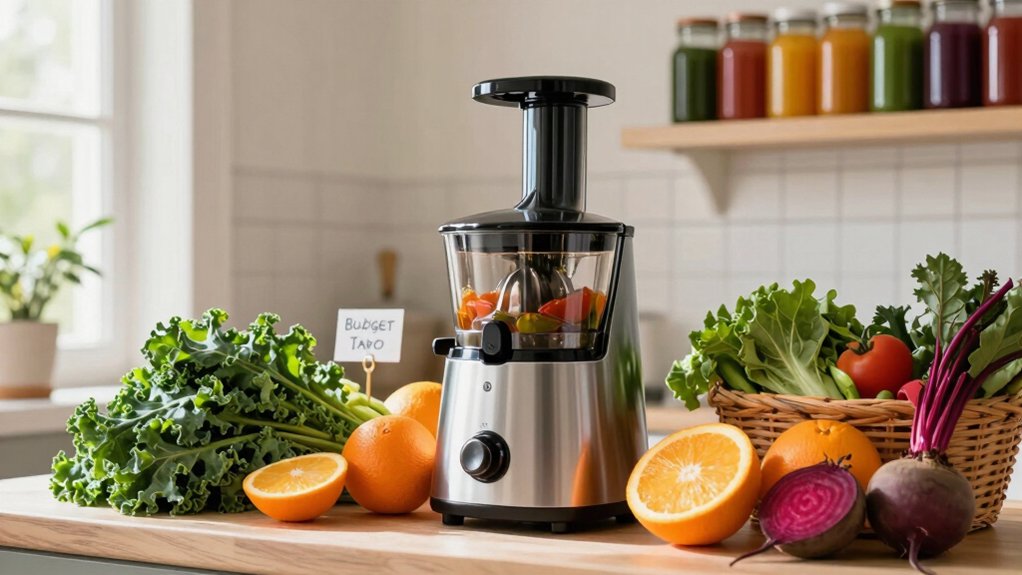
Even with good intentions, you can trip up on budget, freshness, and safety if you don’t plan ahead. To minimize waste and risk, track costs, portions, and spoilage, then adjust purchases.
Prioritize fresh produce, but buy what you’ll use promptly to preserve nutrients. For safety, wash hands and produce, sanitize surfaces, and refrigerate promptly after juicing.
Maintain simple routines for juice storage and equipment maintenance to prevent contamination and performance dips.
- Budget smart: compare unit prices, buy seasonal produce, and avoid impulse buys.
- Freshness: consume juice within 24–72 hours; store in opaque, airtight containers.
- Safety: clean blades and juicer parts immediately after use; never reuse unpasteurized pulp.
- Maintenance: regularly inspect seals, replace worn gaskets, and regularly test for cleanliness.
Alternatives and Complements: When to Juice vs. Eat Whole Produce
Juicing offers convenience and a rapid intake of certain nutrients, but it isn’t a universal substitute for eating whole produce. You should view it as a complement, not a replacement, to fiber-rich fruits and vegetables.
Whole produce provides intact fiber, which supports digestion and satiety, while juice concentrates nutrients with less volume. Use juice to achieve specific goals, such as increasing vegetable intake when time is tight, or for a post-workout refreshment, but pair it with whole snacks and meals.
Be mindful of sugar load and portion size to avoid unnecessary calories. Consider juice detox ideas cautiously, avoiding long-term restriction.
For flavor enhancement, rotate greens and add herbs. Balance ensures you gain micronutrients without sacrificing fullness, variety, or digestive health.
Putting It All Together: A Balanced Juicing Plan
To put it all together, a balanced juicing plan blends convenience with nourishment by pairing fresh juice with fiber-rich foods and mindful portions. You’ll optimize juice quality by choosing variety, consuming soon after pressing, and avoiding excessive sweetness.
Pair juice with protein, healthy fats, or whole grains to slow glucose rise and support satiety. Use practical storage techniques: refrigerate promptly in airtight containers, limit exposure to light, and label date lines.
Listen to your body, adjust portions, and rotate ingredients to reduce sensitivity. This cautious approach supports consistent energy without overreliance on juice alone.
- Prioritize whole produce alongside juice to boost fiber
- Store juice in airtight, opaque containers, refrigerated
- Mix vegetables with fruit for balanced flavor and nutrients
- Track portions and adjust based on activity and goals
Frequently Asked Questions
Does Juicing Detox the Body or Just Your Wallet?
Juicing doesn’t detox your body beyond ordinary organs’ work; you’ll likely learn detox myths. It may help by boosting produce intake, but consider the financial impact. You’ll save money by whole-food options, not pricey juice cleanses.
Can Juicing Replace Meals Long-Term Safely?
Yes, you can try meal replacement short-term, but you shouldn’t depend on it long-term due to nutritional balance concerns; prioritize whole foods and consult a professional to ensure safe, evidence-based, practical juicing continues.
How Does Juicing Affect Blood Sugar in Diabetics?
Juicing can cause blood sugar spikes, especially with high-sugar fruits, and might provoke a delayed insulin response. You should monitor your glucose closely, pair juices with fiber or protein, and favor low-glycemic veggies for steadier blood sugar.
Is Many Greens Juice Safer Than Fruit Juice?
Yes, many greens juice is generally safer than fruit juice for you, because it lowers sugar load. About 1–2 cups greens offer better nutrient absorption and fiber content, though juicing reduces fiber and can affect absorption variability.
Do Pre- and Probiotic Juices Improve Gut Health?
Yes, pre- and probiotic juices can help your gut, but benefits depend on fermentation benefits and probiotic strains; they’re not a cure, and you should pair them with fiber-rich foods and varied microbes for practical, cautious gains.
Conclusion
Juicing can boost your fruit and veggie intake, but it’s not a magic fix. You’ll get quick nutrients and hydration, yet lose fiber and risk extra sugar if you overdo it. Use juice to complement meals, not replace them, and prioritize whole produce most days. Stay mindful of portions, freshness, and safety. If you’re aiming for balance, a well-planned plan will likely transform your habits—without turning your kitchen into a sugar volcano.