
Table of Contents
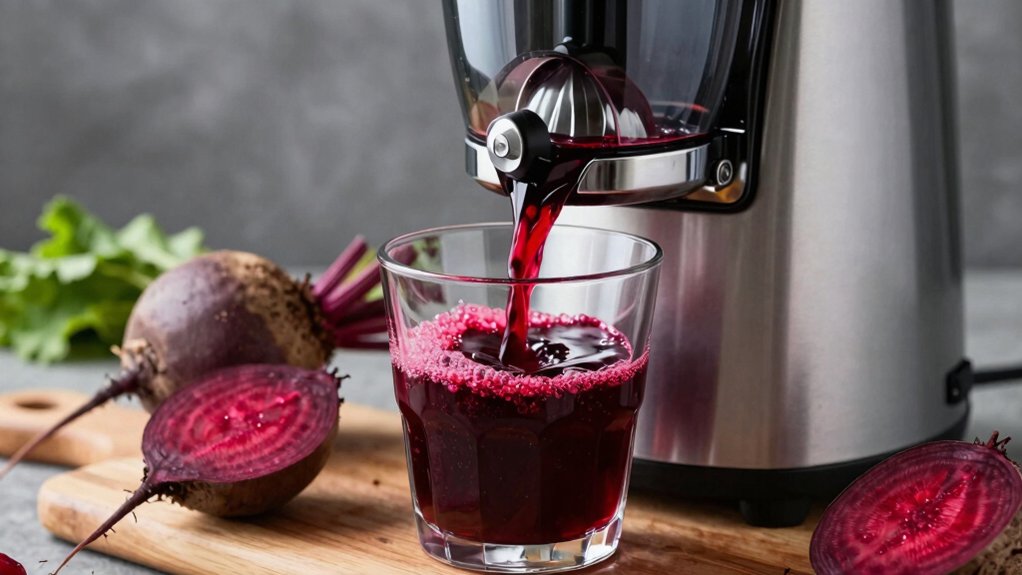
Beets juicer recipes invite you to chase earthy sweetness with bright citrus and zingy ginger. Start with fresh, firm beets, decide on peeling, and pair with apples, carrots, or citrus to tune sweetness and brightness. Use a cold press for maximum nutrition, or blend and strain for a smoother sip. Include herbs like mint or basil for a fragrant lift, and a dash of sumac or ginger for depth. Want to uncover more flavorful twists and tricks? Keep going.
Beet Juice
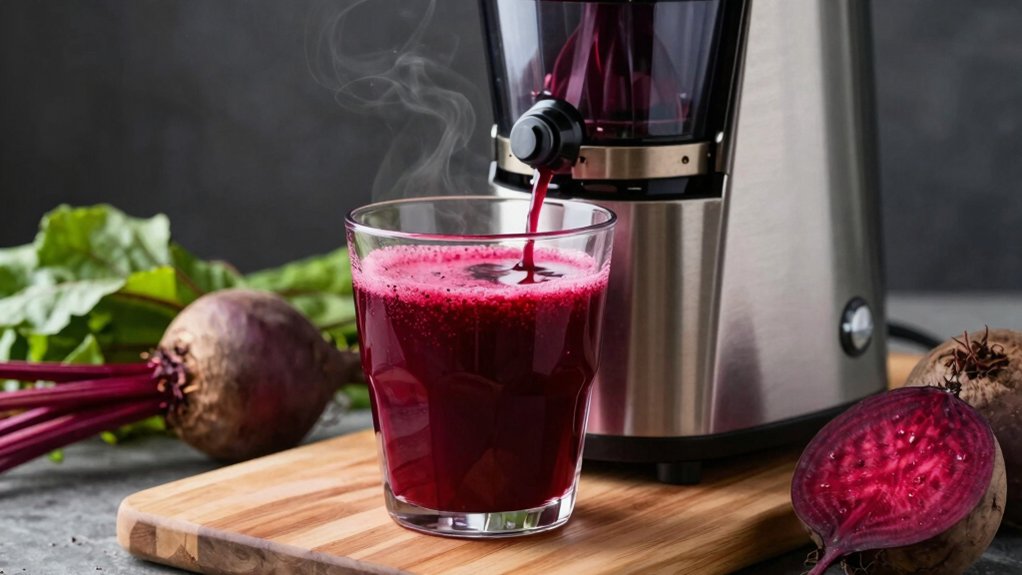
Beet juice is bright, earthy, and instantly invigorating when you sip it fresh from the blender or juicer. You’ll notice how the color signals freshness as you prep raw beets, wash them thoroughly, and consider pulp removal for a smoother drink.
With beets, you don’t need to boil; juicer or blender works, but a blender requires straining to eliminate pulp. You’ll likely reach for ginger to add zing, plus apples or carrots to round the fruit and vegetable juice profile.
The earthy flavor stays prominent, unless you strain or blend with sweeter elements. Store in an airtight container, and plan for 3 to 5 days max in the fridge for peak nutrients, ideally consumed immediately.


Ingredients for Beet Juice
You’ll start with fresh beets that are firm, unblemished, and thoroughly washed to unlock their clean, earthy flavor.
Consider flavor enhancers like carrots with greens, apples, lemons or oranges, and a note of ginger to add brightness, sweetness, and a zingy finish.
From there, we’ll explore how preparation and simple variations shape texture, aroma, and nutrient punch for your juice.


Fresh Beet Selection
To start, choose beets that are firm, smooth, and free of blemishes or wrinkles, since good texture equals better juice. You’ll notice the difference as you assess fresh beets for beet selection, weighing firmness and surface condition before you even buy.
Red and yellow varieties offer distinct earthy flavor notes and nutrition, so grab both if you can to compare beet juice profiles.
Decide whether you’ll use beet greens—they’re edible and can be cooked like Swiss chard—or simply juice the roots for cleaner flavor.
Thoroughly wash beets to remove dirt and reduce earthy flavor while preserving nutrient retention.
Organic beets are preferred for maximum nutrients and pesticide-free purity, but conventional options work too if needed.
Flavor Enhancers Ideas
Experiment with bright, zingy additions to elevate beet juice beyond the earthy base. Flavor enhancers ideas focus on balancing beet juice with tang, heat, and aroma. Sumac brings a subtle lemon note and vibrant color, pairing naturally with the beet’s earthiness.
Fresh ginger offers a spicy kick and a clean lift, while citrus—lemon or orange peel—adds brightness and natural acidity. Herbs like mint or basil introduce aromatic, invigorating contrasts that sharpen the overall profile.
Spices such as cinnamon or a dash of cayenne pepper provide warmth and depth without masking the beet’s character. Each element acts as a precise tool in your flavor arsenal, expanding possibilities while keeping the juice cohesive, aromatic, and distinctly beet-forward.
Preparation & Variations
For beet juice, start with fresh, firm beets—wash thoroughly and decide whether to peel or leave skins on based on your produce and preference.
Then gather complementary ingredients like apples, carrots, citrus, cucumber, and ginger to build a balanced flavor and nutrition.
You’ll use fresh beets, either raw or with skins, depending on your organic choice and texture you want.
Limit bitterness with fruit and citrus, keep a vibrant green note by adding greens if you like, and consider pone variations like citrus peels or a touch of honey.
Ginger adds bite; sumac yields lemony tang and color.
This preparation supports a scalable recipe, letting you adjust vegetables, fruit, and sweetness to taste.
Ingredient Spotlight
You’ll start with beet flavor profiles, tasting earthy notes and subtle sweetness to guide your blend. We’ll tease out natural flavor boosters like citrus, ginger, and herbs, noting how each tweak changes aroma and mouthfeel.
Consider how ingredient pairings notes map onto color, texture, and health benefits as you plan your next batch.
Beet Flavor Profiles
Beets bring an earthy, subtly sweet backbone to juicing, a flavor that shifts with how you treat them. You’ll notice a pronounced earthy taste when raw, mellowing to a smoother earthiness of beets with gentle cooking or extended blending.
The sweetness broadens when you pair beet juice with fruit additions like apples or oranges, dialing in a brighter, more balanced beet juice recipe. Betalains influence color and a hint of bitterness that keeps the flavor profile honest, especially in beetroot juice blends.
Ginger introduces a zing that sharpens the overall flavor, while citrus can brighten without masking depth. Together, these elements reveal how the beet’s character shifts—from robust to refined—depending on prep, timing, and pairing.
Natural Flavor Boosters
Could a simple sprinkle of sumac transform beet juice from earthy to electric? Yes. You’ll notice a lemon-like brightness that lifts the beet juice, cutting earthy depth with a crisp, tangy bite. This spice acts as a natural flavor booster, intensifying the beet’s flavor profile without masking it.
Sumac’s antioxidants add a health-forward note, so your recipe gains both zing and potential inflammation support. When you pair it with lemon, cucumber, or greens, the flavor becomes more vibrant, more Mediterranean, and distinctly fresh.
Use it sparingly at first, then adjust to taste as you guide the beet juice toward a brighter, cleaner finish. Store sumac sealed; it stays reliable as a pantry spice.
Ingredient Pairings Notes
Sumac adds a bright, lemony lift to beet juice, spotlighting the earthy base without overpowering it. You’ll notice how the beet’s mineral sweetness meets apples and citrus, creating a balanced flavor that stretches beyond just sweetness.
Ginger introduces a spicy note that sharpens the metabolic edge, enhancing health benefits while keeping the recipe lively. The citrus boost clarifies the juice’s bite, helping the flavor cut through with precision.
Cucumbers temper the intensity, adding hydration and a clean finish that invites another sip. Greens like kale or beet greens can boost nutrition without muddling taste, letting the earthy core stay present.
This ingredient pairing notes guide your next recipe, reinforcing beet, juice, and flavor clarity.
How to Make Beet Juice
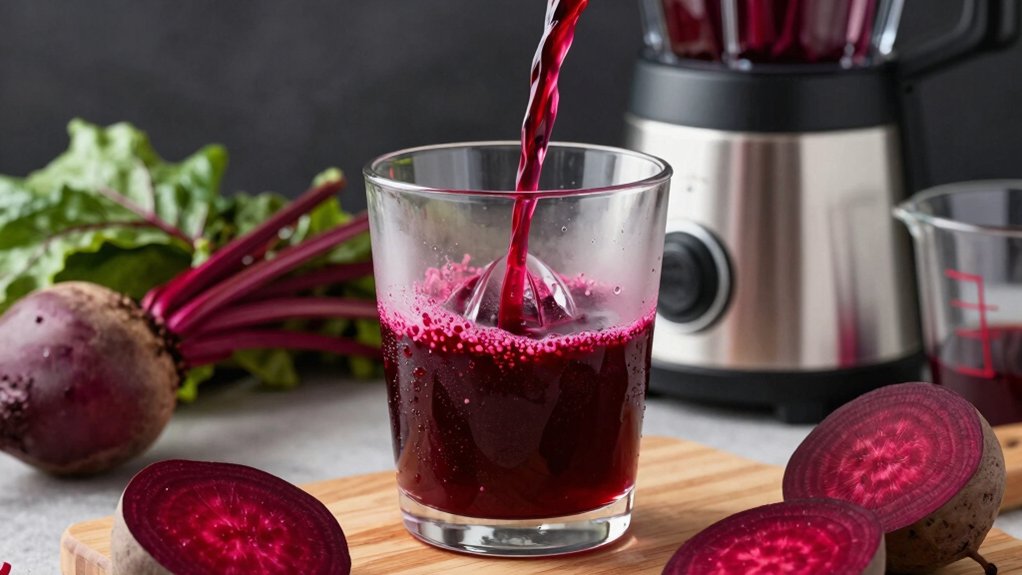
To make beet juice, start with fresh, raw beets that are thoroughly washed and trimmed, then cut into small chunks for your juicer or blender. You’ll know you’re in the right zone when colors pop and aromas sharpen as you prep.
For juicing, run the beets through a cold press juicer or blend with water and strain through a fine mesh or cheesecloth. This is your moment to adjust flavor: add apples for sweetness, citrus for brightness, or carrots for earthier notes.
A touch of ginger wakes the palate, and a squeeze of lemon brightens the finish. Then strain, taste, and serve immediately for maximum freshness and nutrition in every recipe you create.
Beet Juice Benefits
Beet juice fuels your body with a punch of nitrates, which relaxes blood vessels and can help lower blood pressure. You’ll feel how this squeeze of vitality supports cardiovascular health as nitric oxide widens circulation.
The liquid’s betalains act as antioxidants, curbing inflammation and lending a steadier immune function. As you sip, you may notice steadier energy and improved circulation, thanks to potassium aiding electrolyte balance.
Regular boosts of beet juice can sharpen athletic performance by boosting nitric oxide levels, translating to better oxygen delivery and endurance. This drink also supports digestion and overall robustness, aligning with a nutrient-dense profile that underscores cardiovascular health, energy, and resilience.
In short: beet juice benefits are measurable, targeted, and accessible.
What to Serve With Beet Juice
Pair beet juice with meals that balance its earthy brightness and boost overall nutrition. You’ll notice beets shine alongside protein-rich options like spinach frittata or egg muffins, creating a balanced meal that fuels your morning.
For a lighter bite, pair juice with smoked salmon sandwiches or veggie wraps to enhance color, flavor, and crunch. A invigorating contrast emerges when beet juice meets citrus salads or fruit parfaits, lifting both taste and nutritional intake.
Savory dishes, such as roasted vegetables or grilled chicken, become energizing when served with juice as a calm, cleansing counterpoint. For a nutritious brunch, serve juice with whole grain toast topped with avocado or hummus for extra fiber and healthy fats.
serving ideas, healthy, nutritional, pairing, fruits and vegetables, beets, juice, balanced meal, invigorating.
More Juice and Smoothie Recipes

If you’ve been pairing beet juice with meals, you’ll notice how a bright, earthy note can be balanced or boosted by a simple blend, so expanding into juice and smoothie recipes makes sense.
You’ll explore juicer workflows that keep flavor clean and nutrition intact, then strain the juice if you prefer a smoother sip. Use fresh ginger for warmth and a zing that elevates antioxidant-rich beverages.
Leftover pulp becomes a canvas for soups, loafs, or thrifty blends, reducing waste while you add healthy ingredients.
Smoothie recipes mix leafy greens with berries or banana, boosting energy quickly. Blending tips focus on texture and balance, so you enjoy beets juice alongside other nutrient-dense, easy-to-prepare options.
Beets Juicer Recipes Conclusion
You’ll finish this reel feeling curious, not overwhelmed, about beets. You’ve learned their juicy bite, their mineral glow, and how a simple blend can wake the day. Think of one glass as a small experiment: a coworker dips into beet juice and notices a softer afternoon, more focus, a spark of energy that lasts. If one jar can shift a moment, imagine the ripple of countless sips—your everyday, upgraded with color, aroma, and a dash of curiosity.