

You may be surprised to learn that juicing alone won’t fix a lousy diet, and in fact can backfire if you ignore fiber and portions. You’ll get quick sugar spikes and fewer satiety cues than you expect, unless you pair juices with whole foods and pulp. There’s a balance to strike between taste, nutrients, and calories, and skipping that balance sabotages results. Stay with me as we unpack practical tweaks that keep you steady and effective.
Common Juicing Mistakes That Sabotage Health
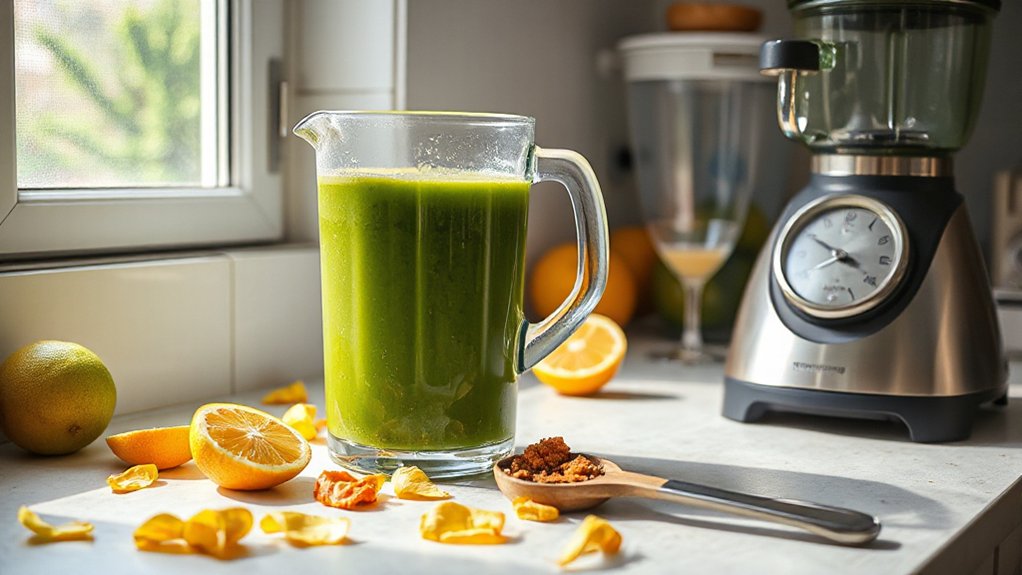
Juicing isn’t a magic fix; it’s a tool, and like any tool, it can backfire if you use it wrong. You’ll often hear bold claims, but evidence doesn’t back all of them.
Common Juicing Mistakes include fixing a poor diet with one green juice, overloading on fruit sugar, and skipping whole vegetables in favor of juice only. You may miss fiber, satiety, and micronutrients when you juice wrong, sabotaging durability and results.
Juicing myths persist, so verify claims before you commit. Flavor balancing matters, but not at the expense of balance in your overall intake.
Use juice to complement meals, not replace them. Stay practical: track intake, test tolerance, and prioritize variety to build a sustainable, inclusive healthier routine.
Balance Fruit and Veg: How to Cut Sugar Without Losing Flavor
To cut sugar without sacrificing flavor, start by prioritizing vegetables over fruit and using naturally sweet veggies like carrots, beets, and peppers to provide depth without a sugar spike.
You’ll notice that sweetness balance isn’t about eliminating fruit, it’s about smart pairing and proportion. Rely on greens, cucumber, and celery as a base, then add small amounts of berries or citrus to lift brightness without overwhelming sugar load.
Keep portions consistent and taste as you go, because flavor preservation hinges on restraint, not deprivation. This approach is practical and evidence-informed: you reduce glycemic impact while preserving complexity.
If a blend tastes flat, tweak acidity and texture first, not the fruit count. Belonging comes from tasty, smarter juicing you can trust.
The Fiber Gap: Why You Need More Pulp for Satiety
You’ll notice that more pulp means more satiety, not just a longer wait for the next snack. The idea that juice-only diets curb cravings hinges on fiber’s fullness signal, which isn’t optional.
More Pulp, More Satiety
Even though plenty of juice sells the idea, removing pulp can trim nutrients and leave you hungrier sooner. You’ll notice that pulp adds bulk, which slows digestion and can blunt spikes in appetite. Pulp nutrition isn’t just texture; it supports steady energy and more reliable satiety signals after you sip.
If you chase a smoother juice, you may miss important fiber that helps you feel full longer. Skeptically assess claims that juice alone equals a complete meal; evidence shows fiber interacts with gut hormones to modulate hunger cues.
Practical takeaway: keep some pulp to boost fullness without sacrificing flavor. Aim for balanced portions, pairing juice with protein or fat when needed.
Belonging comes from feeling in control of choices, not from chasing extremes.
Fiber Bridges Cravings
Fiber literally bridges cravings by filling the gap pulp leaves behind, helping you ride out hunger between sips. You’ll notice that fiber cravings aren’t magic; they’re signals your body uses to seek fullness. The pulp supports satiety by slowing digestion and broadening meal timing, but not all pulps are equal.
Practical takeaways: vary juicing with whole fruits, vegetables, and controlled portions to preserve fiber density; don’t rely on pulp alone to curb appetite. The pulp benefits come from consistent, evidence-based patterns, not gimmicks.
Track how different blends affect hunger, energy, and cravings, then adjust. Skeptically test claims, favor plain water alongside any juice, and prioritize balanced meals.
If you value belonging, share transparent results with peers, and normalize measured, fiber-forward choices in your routine.
Hydration and Electrolytes: How Juices Fit Into Your Hydration Plan
You’ll want to treat juices as part of your hydration plan, not a replacement for water.
You should start with the basics: how much fluid you actually need daily. Electrolyte balance matters, so consider sodium and potassium as you choose juices and timing to avoid swings in thirst and energy.
Think about juice timing—sip with workouts or hot days, but don’t rely on them for rapid rehydration or long stretches without electrolytes.
Hydration Basics For Juices
Hydration isn’t just about chugging water; juices can help by supplying fluids plus electrolytes, but they’re not a universal fix. You’ll recognize worth in practical limits: use them to bolster intake during activity or heat, not as your sole hydrator.
Rely on evidence: water remains primary, with juices as a supplement rather than a replacement. Keep portions reasonable to avoid excess sugar and GI discomfort.
Flavor pairing matters: pair juice with savory foods or light snacks to improve palatability without overdoing calories. Choose juicing equipment that preserves fiber and minimizes oxidation, then drink when you’re thirsty, not on a fixed schedule.
Track response, adjust, and don’t assume one juice fits every scenario. Hydration strategy should feel doable, not proprietary.
Electrolyte Balance Matters
You might assume juices hydrate as well as water, but without careful balance you risk sluggish recovery or cramps. Evidence-based caution matters: excessive single-sugar blends can mask needs for minerals, while too little sodium or potassium shifts can provoke fatigue.
You’ll want a practical approach that recognizes electrolyte imbalance and mineral deficiencies aren’t rare in juicers who overlook variety. Prioritize near-daily intake of sources with natural minerals and monitor signs like dizziness, leg tightness, or salt cravings.
Pair hydration with meals, not ad hoc sips, to sustain steady performance and a sense of belonging to a sober, informed routine.
Juice Timing And Hydration
From here, you’ll want a practical view of when to sip juices so they help rather than hinder hydration. Juices can supplement hydration, but timing matters: sipping with meals or after exercise supports recovery without overloading stomachs.
Relying on juice alone often undermines electrolyte balance, so pair it with water and mindful portions. Favor science-backed timing over hype, and avoid forcing consumption when you’re not thirsty.
Flavor combinations matter for adherence, yet they won’t compensate for poor timing or excessive sugar. Consider juice preservation: store cold, drink fresh, and minimize air exposure to protect nutrients.
Use juice strategically to support hydration goals, not replace electrolyte-rich choices.
- Pair juice with water for balanced hydration
- Time intake around activity and meals
- Favor moderate portions over mega servings
- Flavor combinations to boost adherence
- Juice preservation to protect nutrients
Calorie Awareness and Portions: How Much Juice Is Right?
Calorie awareness matters because juice isn’t a free pass to health; it’s a concentrated source of sugars and calories that can derail your goals if you don’t measure portions. You shouldn’t assume a glass equals a neutral snack.
A practical rule: treat portions like a small, intentional amount rather than a default refill. Track calories and macros, and anchor yourself with a realistic daily juice target that fits your plan.
Flavor pairing matters here—pair juice with protein or fiber to blunt spikes, not to excuse larger pours. Also consider juice temperature; cooler isn’t inherently healthier, but it can influence fullness and timing.
Stay skeptical of “more is better” claims, and adjust based on evidence, not hype, to belong in a disciplined, supportive routine.
Store-Bought vs Fresh Juices: What Really Makes a Difference
Store-bought juices aren’t automatically better or worse than fresh; the truth is, it depends on processing, additives, and portion size. You deserve a practical read, not hype, so you’ll weigh flavor enhancement against nutrients and convenience, then decide what fits your crowd.
- Consider ingredient lists: sugars and preservatives matter more than bottle color
- Compare sodium, fiber, and real juice percentages
- Fresh can beat shelf life on taste, but packaging can preserve nutrients
- Storage techniques impact what you actually drink, not just what you buy
- Portion control helps you stay aligned with your goals
In short, evidence guides you: choose with purpose, not bias, and tailor your choices to your needs and community.
Establishing a Consistent Juicing Routine That Sticks
You’ve already learned that what you choose to drink matters more than the hype around labels. So let’s anchor a routine you can actually keep. Start with two simple pillars: consistency over intensity, and realism over perfection.
Pick a predictable time, a short juice window, and a manageable batch size. When planning flavor combinations, rotate a few dependable blends to prevent boredom, but avoid overcomplicating your lineup.
Track what works—energy dips, hunger, digestion—and adjust. Use practical cues: pre-portion ingredients, label jars, and store juice properly to minimize waste.
Juice storage matters; chill promptly, seal tightly, and label dates. Build accountability with a friend or journal.
Stay skeptical of quick fixes, and celebrate steady progress, not dramatic swings.
Greens, Veggies, and Whole Foods: Building Nutrient Diversity
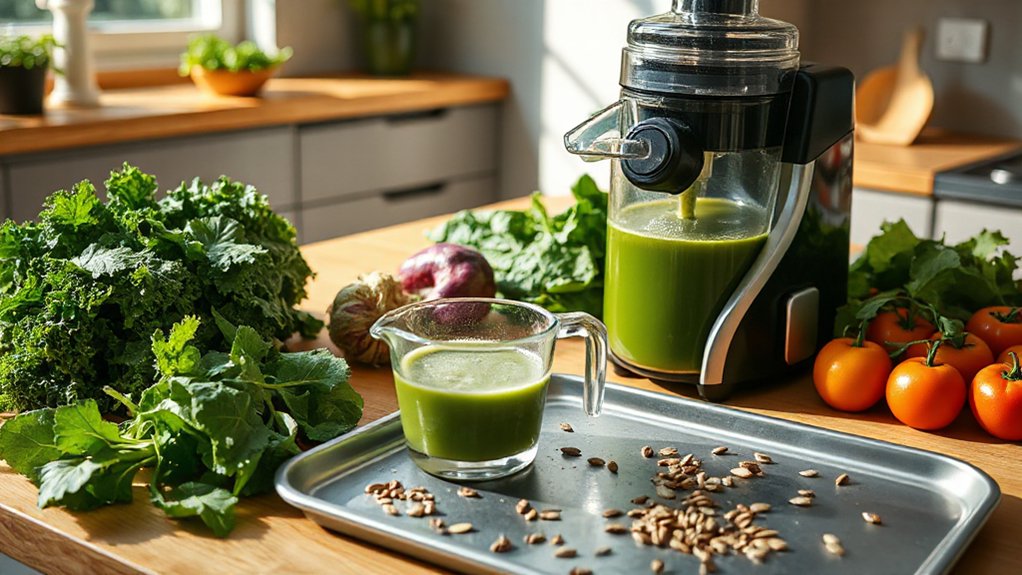
Greens, veggies, and whole foods aren’t just filler; they’re the engine of nutrient diversity your juice routine needs. You’ll optimize micronutrient balance by rotating greens and adding sturdier veggies, not relying on a single star ingredient.
Skeptical but practical, you test what actually moves the needle, not what sounds trendy. Evidence favors variety, fiber, and texture, so mix leafy greens, crucifers, and colorful veggies for a broader spectrum.
Include herbs for phytochemicals and flavor without excess sugar. Seed additions boost fats and minerals, supporting absorption and satiety.
Build a routine that respects structure, not hype.
- Rotate greens and crucifers weekly
- Use herbs to diversify phytochemicals
- Add seeds for healthy fats and minerals
- Pair vegetables with a citrus or berry base
- Track changes, adjust for digestion and energy
Ingredient Picks and Prep Tips for Better Absorption
When you’re aiming for better absorption, the right ingredient picks matter as much as the prep you do. You’ll benefit from practical choices backed by evidence, not hype. Start with ripe, fresh produce and consider seasonality to boost nutrient bioavailability without overcomplicating prep.
Pair ingredients whose flavors and fats enhance absorption, but stay skeptical of flashy blends; the science favors thoughtful combinations over trendy buzzwords. Flavor combinations matter, yet keep portions sensible to avoid overwhelming your system.
Prioritize quality ingredient sourcing, choosing trustworthy suppliers and the least processed options you can find. Clean prep—wash, peel only if needed, and slice evenly—helps uniform extraction.
Track results, adjust for taste and tolerance, and favor consistency over sporadic, scattered experimentation.
Fixing Common Juicing Mistakes: Practical Tweaks You Can Try Now
If you’re aiming for real results, start by spotting and fixing common juicing mistakes rather than chasing flashy hacks. You’ll gain consistency by tightening your process, not chasing miracles. Ground your tweaks in evidence, not hype, and value flavor pairing and ingredient sourcing to support outcomes you can trust.
- Adjust portions to balance sweetness and acidity for better adherence
- Pre-wash and inspect produce; safe sourcing reduces spoilage risk
- Use whole fruits and greens in sensible ratios to avoid fiber gaps
- Rotate produce to minimize flavor fatigue and nutrient plateaus
- Batch prep with clear labels to preserve freshness and accountability
Frequently Asked Questions
How Often Should I Juice per Week for Best Results?
You should juice several times weekly, but aim for consistency over quantity. Prioritize fresh juice stored properly to preserve nutrient retention, and limit storage time. Skeptically assess claims, choose evidence-backed routines, and join a practical, supportive community.
Which Fruits Increase Sugar Without Affecting Flavor?
You can boost sweetness with fruits that raise sugar yet keep flavor, but stay skeptical: opt for berries or citrus, and use Sweetness balancing tactics to avoid overpowering notes, while masking flavor from high-sugar fruits you don’t need.
Do I Need a Juicer With a Pulp Ejector?
Yes, you’ll want a juicer with a pulp ejector for cleaner juice and easier pulp management. Juicing equipment matters; evidence favors devices with reliable pulp disposal. You’ll fit in with others who value practical, belonging-focused, skepticism-driven results.
Can Juice Replacements Satisfy Protein Needs?
Protein sources alone won’t fully meet daily needs, so juice replacements won’t reliably satisfy protein requirements. You should favor real foods alongside juice variety, check labels, and prioritize evidence-based choices that build belonging through balanced, practical nutrition.
Should I Juice on an Empty Stomach or With Meals?
You should juice with meals to minimize stomach upset and optimize fiber intake, not on an empty stomach. Juice detox claims lack solid proof, but flavor enhancement with meals may improve adherence and social belonging. Evidence remains mixed and skeptical.
Conclusion
If you want real health gains, don’t worship juicing alone. It’s a supplement, not a substitute for whole foods, fiber, and balanced meals. Use juice to cover gaps, not to replace veggies, protein, and healthy fats. Watch portions, avoid sugar bombs, and lean on pulp for satiety. Stay hydrated with water and electrolytes. Track outcomes, tweak ingredients, and set a sustainable routine. One all‑fruit juice-free lifehack can feel like a miracle—but science won’t.