

Juicing can deliver concentrated sugar and little fiber, causing blood sugar spikes and energy crashes. It often leaves you with nutrient gaps, especially missing protein and healthy fats essential for satiety and absorption. You’re also exposed to acidity, which can erode enamel and upset digestion over time. Costs, equipment upkeep, and produce waste add up, making it less practical than it seems. Plus, nutrient content can vary and be unreliable. Curious what else slips through the cracks? Stay tuned.
Why Juicing Appeals: and What It Often Misses
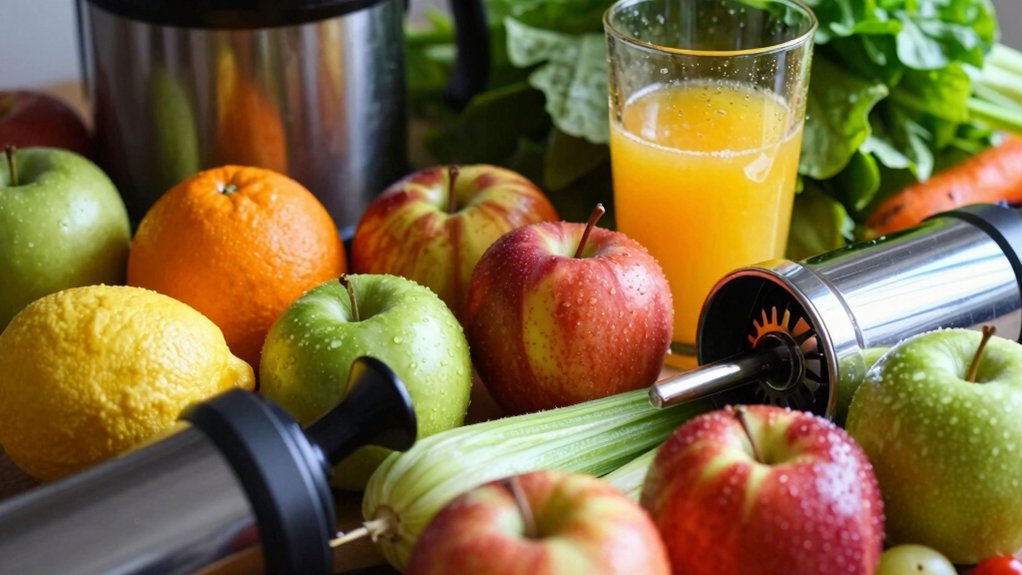
Juicing appeals because it promises a quick, visible health upgrade, but it often misses the bigger picture. You’re drawn by the idea that a glass can replace meals, and that bright, fast results justify the ritual.
Yet the evidence points to modest or inconsistent benefits for long-term health, especially when you compare juicing to whole fruits. You’ll consume more juice vitamins in one sitting, but you may also miss fiber, which moderates digestion and satiety.
Fruit sugars spike, then dip, potentially undermining energy stability. If you rely on juice alone, you risk neglecting protein, fats, and micronutrients that come from a balanced diet.
Skepticism isn’t cynicism here; it’s about recognizing amplitudes, not assuming miracles.
Sugar Load: How Fruit-Heavy Juices Affect Energy
Fruit-heavy juices deliver a concentrated sugar hit that can spike your blood glucose, then leave you craving more. You might assume endless energy, but fruit sugar often leads to energy fluctuations rather than steady stamina.
1) These spikes can trigger quick crashes, leaving you tired shortly after a sip.
2) The effect isn’t universal, but repeated juicing with high sugar load can train your body toward insulin resistance over time.
3) When you compare liquid calories to whole fruit, you lose fiber and fullness, so you may overshoot daily targets and still feel unsatisfied.
In short, fruit sugar drives short-term lift and longer-term fatigue, undermining consistent performance and making energy claims about juicing dubious. Skeptically evaluate every glass for real, lasting fuel.
Fiber Loss and Its Impact on Digestion and Fullness
Fiber loss matters because missing out on the pulp and pulp-rich pulp can blunt the feel of fullness and slow digestion, leaving you hungrier sooner. You might assume juicing preserves nutrients while boosting convenience, but evidence warns otherwise about fiber.
When you strain juice, you remove insoluble and some soluble fibers that support gut motility and satiety signals. This fiber loss can blunt post-meal fullness, potentially driving higher intake later.
Without fiber, digestion impact shifts toward quicker sugar absorption and sharper hunger cues. Some studies show reduced bowel movement frequency and altered microbiota with low-fiber beverages, which may affect mineral absorption and insulin response.
If you rely on juice routinely, monitor hunger, energy stability, and overall fiber intake to avoid unintended consequences.
Protein and Healthy Fats Gaps in Juice Plans
You might assume juicing covers all your nutrition needs, but protein gaps in juice plans are real and recurring. Shortfalls in healthy fats can leave you underpowered for satiety and vitamin absorption, and evidence shows juices often skim these macronutrients.
If you rely on juice alone, you’ll likely need to compensate with targeted protein and fat sources to balance your intake.
Protein Gaps In Juicing
Are you getting enough protein and healthy fats when you juice? The evidence suggests gaps exist, and you shouldn’t assume juice alone meets daily needs. Protein deficiency is a real risk if you rely on juice as a primary source, especially when calories stay low but nitrogen requirements stay steady.
Juicing can dilute amino acids and impair muscle maintenance over time, particularly if you’re active or aging. Expect limited essential amino acids unless you add better sources outside the blender. Consider strategic additions rather than blanket reliance on produce.
- Prioritize protein-packed add-ins to balance meals
- Track daily intake to ensure adequate totals
- Use whole foods alongside juice for muscle maintenance
Healthy Fats Shortfalls In Juicing
Healthy fats often get overlooked in juice plans, yet they matter for satiety, nutrient absorption, and hormone balance. You may assume juicing alone covers fats, but most recipes skim on them. Without fats, your body can’t efficiently utilize fat-soluble vitamins or keep you full after a cup.
Skeptically, ask whether a fruit-vegetable juice truly supplies enough calories or essential fatty acids to support steady energy. Some studies show that omission of healthy fats reduces nutrient absorption, especially fat-soluble vitamins A, D, E, and K.
If you rely on juicing, you may need a deliberate fat source—nuts, seeds, avocado, or olive oil—to avoid gaps. In short, healthy fats matter; neglecting them risks undercutting the plan’s nutrient absorption and satiety.
Cost and Practicality: Is Juicing Worth It?
Cost and practicality hang on whether the math stacks up: you’ll weigh upfront costs, ongoing costs, and potential waste against the time you invest.
The evidence points to mixed results, with equipment longevity and yield varying by model and routine, so you can’t assume easy savings.
Let’s start by mapping the cost impact, time, waste, and how long the gear lasts to see if juicing adds real value for you.
Cost Impact Analysis
Is juicing really cost-effective when you factor in time, equipment, and ongoing produce purchases? You weigh upfront equipment costs against ongoing ingredient sourcing, and the math often favors the pantry over the blender.
You’ll likely face recurring buys, produce spoilage, and energy use, which can erode any perceived savings. The promise of fresh juice must compete with convenience and alternatives like whole fruits and smoothies.
Evidence suggests you should quantify costs per serving, not just per week, and consider opportunity costs of your time. Skeptical but fair, you’ll prefer transparent comparison rather than hype.
- Initial equipment costs vs. long-term maintenance
- Ingredient sourcing variability and spoilage risk
- Per-serving cost vs. store-bought options
Time and Waste
Time and waste are the practical Achilles’ heel of juicing: the time you invest, the produce you discard, and the leftovers you can’t reuse add up quickly. You’ll notice that juice preparation often dominates afternoon routines, especially if you’re chasing variety or fresh taste.
The payoff isn’t universal; some days you’ll feel efficiency, other days you’ll feel logistics-heavy, like peeling, chopping, and washing produce in bulk. Waste streams matter—fiber pulp adds volume but not calories for many, and you’ll need compost or disposal plans.
Clean up routines can erode any perceived gains, since juicers, bowls, and filters require multiple quick cycles. The question remains: do the benefits justify ongoing time costs, energy use, and storage hassles?
Evidence suggests it’s highly individual and depends on your priorities.
Equipment Longevity Worth
Equipment longevity is a real sticking point you’ll want to weigh alongside price, performance, and upkeep. You’ll assess value by reliability, not just upfront cost, and you’ll question whether shorter-lived units justify frequent replacements.
Evidence suggests that budget juicers often fail earlier, eroding any savings via repairs or replacement parts, while midrange models tend to offer better durability and consistent juicer lifespan. Consider warranty terms and available service networks, which reflect equipment durability in practice.
- Compare warranty coverage and support responsiveness to gauge true cost of ownership.
- Assess reported juicer lifespan across models and brands, prioritizing those with durable components.
- Factor in ongoing maintenance needs and ease of part replacement to avoid hidden expenses.
Nutrient Variability: Vitamins and Minerals Your Juice May Skip

Juicing can alter the nutrient profile you get from produce, and that variability matters: vitamins and minerals aren’t reliably preserved or evenly distributed across batches. You’ll likely notice inconsistent nutrient delivery between juicing days, even with the same ingredients. Freshness helps, but oxidation, heat exposure, and processing steps can erode vitamin C and certain phytonutrients more than others, creating a skewed picture of your intake.
The idea of “nutrient stability” becomes a cautious bet rather than a guarantee, particularly for water-soluble vitamins. Mineral diversity may appear broad on labels, yet actual mineral bioavailability can vary with pulp, fiber content, and preparation.
Expect uneven results, and plan to supplement or diversify sources to avoid gaps in essential micronutrients.
Dental and Digestive Concerns From Frequent Juicing
Frequent juicing can wear down your teeth and upset digestion, and the risk isn’t just theoretical. You’ll want to weigh the evidence, not rely on hype.
In practice, dental erosion and digestive discomfort emerge as common concerns, and you should consider how acidity and fiber changes affect your mouth and gut.
- Dental erosion can result from prolonged exposure to acidic juice, weakening enamel and increasing sensitivity.
- Digestive discomfort may arise as your stomach adjusts to concentrated sugars and rapidly absorbed nutrients, potentially triggering bloating or cramps.
- In some cases, on-the-go juicing replaces fiber-rich foods, reshaping satiety signals and overall digestion.
Be skeptical of blanket claims; seek balanced data and listen to your body.
Smart Tweaks: Making Juicing Work Without the Downsides
You don’t have to abandon juicing just because it comes with downsides; you can tighten up the approach to keep benefits while reducing risks. Smart tweaks focus on evidence, not hype.
Start with variety, not sugar bombs, to support nutritional balance and avoid micronutrient gaps. Prioritize whole fruits and a rainbow of vegetables, then measure portions to prevent caloric excess.
Use a high-quality juicer that minimizes oxidation, and juice fresh or within a short juice shelf life window to preserve enzymes and nutrients.
Add a protein or fat source at meals to improve satiety and stabilize blood sugar. Don’t rely on juice as your sole nutrition; pair it with fiber-rich foods.
Monitor digestion and energy, adjusting ingredients if symptoms arise.
Consistency over extremes yields sustainable benefits.
Frequently Asked Questions
Can Juicing Replace Meals Safely Over Time?
Short answer: no, you shouldn’t rely on juicing as a meal replacement long term. It lacks protein and fiber, undermining long term safety. You’d need balanced meals; consider evidence-based guidance before committing to meal replacement plans.
Do Juicers Remove Beneficial Enzymes From Produce?
Do juicers cause enzyme loss? Not dramatically if you juice fresh produce quickly, but some enzymes degrade with time and exposure. So, yes, enzyme loss can occur, and produce damage is possible when juice sits or is oxidized.
How Often Is It Harmful to Juice Daily?
Juicing daily can be harmful if it leads to nutrient imbalance, especially without fiber. You should limit to whole-fruit/veg portions; otherwise, juicing addiction may develop, and you risk deficiencies from missing macronutrients and sustained energy.
Can Juicing Trigger Nutritional Allergies or Intolerances?
Yes, juicing can trigger nutritional allergies or intolerances you haven’t noticed, especially with common allergens; you might encounter allergic reactions. You also risk enzyme loss and overlooked nutrient imbalances, so approach it skeptically and monitor reactions closely.
Are Organic Produce Benefits Worth the Extra Cost for Juicing?
Organic pricing often isn’t worth it for juicing; you’ll usually see modest produce benefits, plus costs. Imagine a farmer’s market anecdote: you save half by choosing conventional, and still enjoy similar nutrient punch per dollar. Skeptical, evidence-based.
Conclusion
Juicing is a flashy hot air balloon tethered to a grocery list. You soar on fruit sweetness, then land to find fiber, protein, and fats have stayed on the ground. Think of it as a speedboat: it crosses water fast, but you’ll miss the steadier fuel of whole foods. The evidence warns about sugar spikes, digestion gaps, and cost. If you jet toward health, couple juice with balanced meals, not as a sole sustenance. Skepticism keeps you grounded and wiser.