

You’ve likely seen claims that juicing is a miracle fix or a quick cleanse, but the evidence says otherwise. Juicing concentrates sugars and strips fiber, which can spike blood glucose and sap fullness. It won’t detox your body or replace meals without trade-offs. Store-bought blends aren’t automatically better, and missing proteins and fats matters. So, you’ll want a smarter approach that weighs real benefits against limits—and that means examining the myths with a critical eye. Stay with me as we sort fact from fiction.
Which Juicing Myths Undermine Nutrition?
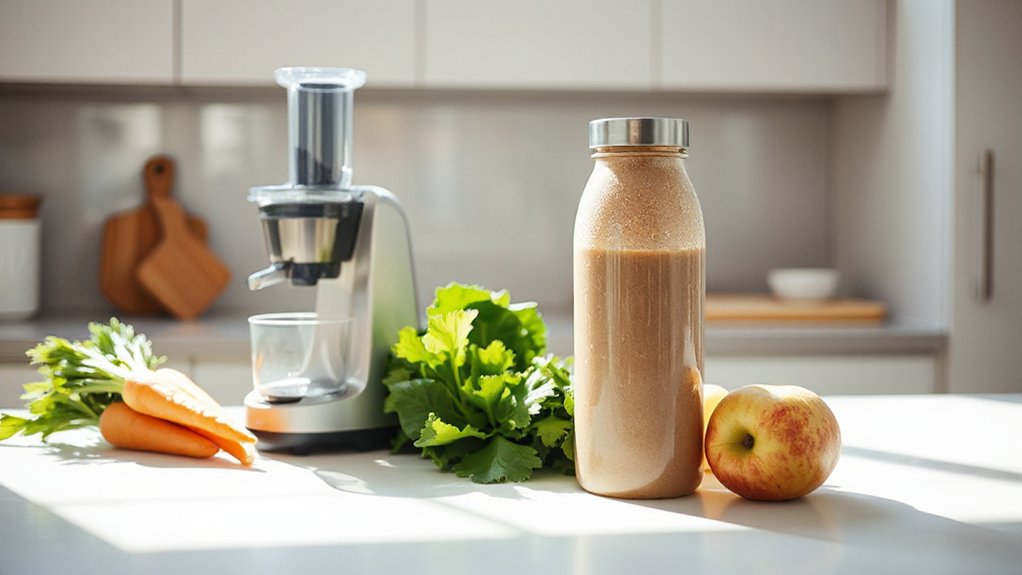
Juicing myths can derail nutrition when people assume juicing alone meets all daily needs. You deserve clarity, not confusion, so let’s set the record straight.
Juicing concentrates sugars and removes much of the fiber, which can blunt satiety and slow nutrient absorption if relied on exclusively. You still gain vitamins, minerals, and phytonutrients, but you’ll miss out on the full spectrum of nutrients from whole produce.
Nutrient absorption depends on fiber-rich, balanced meals that support gut health and digestion.
Pesticide residue is a real concern; washing produce and choosing organic or trusted sources can reduce exposure, yet it’s not a cure-all.
Aim for variety, moderation, and whole-food foundations alongside juices to optimize nutrition and foster long-term consistency.
Can Juicing Detox the Body, or Just Your Wallet?
Many people assume juicing will “detox” the body, but the evidence doesn’t support sweeping cleansing claims. You deserve honesty about value and impact, not hype. When you weigh juicing, consider two domains: body and budget.
1) Juicing sustainability: benefits hinge on produce sourcing, waste reduction, and energy use. Choose local, seasonal produce to minimize footprints.
2) Juice shelf life: fresh juice loses nutrients quickly; storage, temperature, and container matter.
3) Health payoff: detox claims aren’t supported; hydration and micronutrient intake matter more than magic cleanses.
4) Financial consideration: you’ll pay for produce, equipment, and time—balance with your goals.
If you value belonging, align juicing with practical nutrition and responsible choices rather than illusionary rapid cleansing.
Can Juicing Replace Meals Without Blood Sugar Spikes?
Short-term meal replacements from juice can spike blood sugar, especially when you rely on high-sugar fruits or rely on juice alone. You may wonder if juicing can replace meals without spikes. The answer is nuanced: a true meal replacement should include protein, fiber, and healthy fats to blunt glucose rise.
Juices alone typically lack these, so blood sugar can surge and then crash, leaving you hungry soon after. If you insist on juice as a meal component, pair it with protein (like yogurt or a scoop of protein powder), add fiber (vegetables, chia, or oats), and monitor portions and timing.
For sustained energy and a sense of belonging, view juice as a supplement, not a sole meal replacement. Prioritize balanced meals for steady blood sugar and satisfaction. Meal replacement should be deliberate, not improvised.
Is Juice Fiber Loss a Health Deal-Breaker?
When you extract juice, you remove most of the fiber found in whole fruits and vegetables, which can alter how your body handles sugar and fullness. Fiber retention matters because it influences satiety and glucose response, even if juice offers vitamins and minerals.
If you’re prioritizing juice, aim for strategies that protect balance and minimize sharp spikes.
- Choose blends with high-fiber add-ins like cucumber or leafy greens to boost texture and fullness.
- Mix in a small portion of whole fruit or pulp to retain fiber without sacrificing flavor.
- Pair juice with a protein or fat source to steady the glycemic response.
- Monitor portions to maintain juice clarity while avoiding overconsumption.
Are Store-Bought Juices as Nutritious as Fresh?

Are store-bought juices truly as nutritious as fresh? In short, not always. Fresh juice preserves more micronutrients and enzymes when you drink it soon after extraction, whereas pasteurized store options lose some heat-sensitive vitamins.
That said, many store-bought juices still offer meaningful nutrients, especially if you choose 100% juice with no added sugars. You should compare labels for vitamin content and shelf life, and note that pasteurization can reduce antioxidant levels but enhances safety and consistency.
Flavor enhancement may come from blending or added concentrates, but beware subtle nutrient trade-offs. Packaging concerns matter too: light and heat exposure can degrade quality, so opt for opaque, refrigerated containers when possible.
When in doubt, balance convenience with intentional choices for healthful, real flavors.
Sugar in Juice: Effects on Kids and Athletes
Sugars in juice can boost quick energy, but they may also limit performance gains if consumed before or after workouts.
For kids, intake balances growth needs with long-term health, so consider portion size, timing, and overall daily sugar load.
Athletes and parents should weigh immediate performance benefits against potential tradeoffs for health, using evidence-based guidelines to tailor choices.
Sugar Impact On Performance
Sugar in juice can boost quick energy, but it also raises blood sugar spikes and can impair sustained performance if consumed in excess. You’ll learn how sugar shapes performance through brief, evidence-based points.
- Sugar addiction links to craving cycles, affecting consistency in training and competition.
- Glycemic response varies by person, influencing how quickly energy rises and fades during activity.
- Fast sugars can boost short bursts, yet may undermine endurance when not paired with protein or fiber.
- Strategic timing—around workouts—supports performance without overloading your system.
For athletes and curious readers like you, moderation, individual testing, and whole-food balance are essential. Use these principles to tailor juice choices, minimize spikes, and preserve steadier energy throughout performance days.
Kids Juice Health Tradeoffs
While juice offers vitamins and hydration, its sugar content poses tradeoffs for kids and athletes alike: quick bursts of energy can come from simple sugars, but repeated spikes may affect appetite, activity tolerance, and long-term metabolic health. You should see juice as a cue, not a meal replacement, balancing intake with whole foods and training demands.
Evidence links excessive sugar to weight gain and may blunt appetite for nutrient-dense snacks, impacting recovery and performance consistency. Flavor enhancement matters: choosing portions and varieties with minimal added sugars supports sustainable habits.
Packaging concerns influence consumption patterns; easy-to-access containers can lead to overconsumption, while opaque or smaller servings help moderation. Build routines that favor balanced hydration, aligned with growth, control, and a sense of belonging to a health-conscious team.
How to Juice Smarter: Science-Backed Tips for Real Results

If you want to juice smarter, focus on science-backed habits that boost nutrient intake without spiking calories or compromising satiety. You’ll optimize results by pairing produce thoughtfully and choosing reliable equipment.
- Flavor combinations: mix greens with citrus or berries to enhance taste while preserving polyphenols and fiber.
- Juicing equipment: use a masticating juicer for higher nutrient retention and easier cleanups over cheaper centrifugal models.
- Balance: include a small amount of fiber-rich ingredients or add a green smoothie post-juice to maintain fullness.
- Evidence-based tweaks: prioritize produce variety, limit added sugars, and consume juice with meals to stabilize blood sugar and satiety.
Frequently Asked Questions
Do Pesticides in Store-Bought Juice Affect Health?
Yes, pesticides can persist as residues, but organic farming minimizes this exposure. You’ll reduce pesticide residues by choosing certified organic juice when possible, and always wash produce thoroughly; meanwhile, stay informed about standards and evidence-based safety guidelines.
Can Juicing Cause Nutrient Overconsumption Risks?
Directly: yes, juicing can cause nutrient overload and health risks if you overdo it or rely on juices instead of whole foods. Start with balanced portions, monitor intake, and consult a clinician when uncertain about your nutrient load.
How Does Juicing Impact Hydration Compared to Water?
Juicing provides fluid plus micronutrients, but water remains unmatched for pure hydration. Your fruit water habits can aid hydration enhancement, yet you’ll still need water for optimum hydration, especially during activity or heat. Balance is essential.
Do There Be Hidden Calories in Green Juices?
Calorie counting clarifies. Yes—green juices can harbor hidden sugars and calories, so you cautious choosers should monitor intake, savoring servings. You’ll stay smart, sustainable, supported, and part of a mindful, metabolically mindful, community-focused movement.
Is Pasteurization Altering Juice Nutrition Significantly?
Juice pasteurization does alter some nutrients, but you’ll still benefit from nutrient preservation overall. You’ll want to choose high-quality, fresh products, store properly, and limit exposure to heat and light to maximize nutrient preservation and your confidence.
Conclusion
You’ll toast juicing as a miracle, then wonder why your energy crashes and your grocery bill soars. The evidence doesn’t support detox claims, and fiber loss isn’t a minor detail—it matters. Juicing won’t replace meals without blood sugar swings, and store-bought varieties rarely match fresh, whole-food nutrition. So yes, juice can help—but as a supplement, not a substitute. Enjoy smartly, stay balanced, and keep your expectations in check. Irony: the more you juice, the more you learn about limits.