
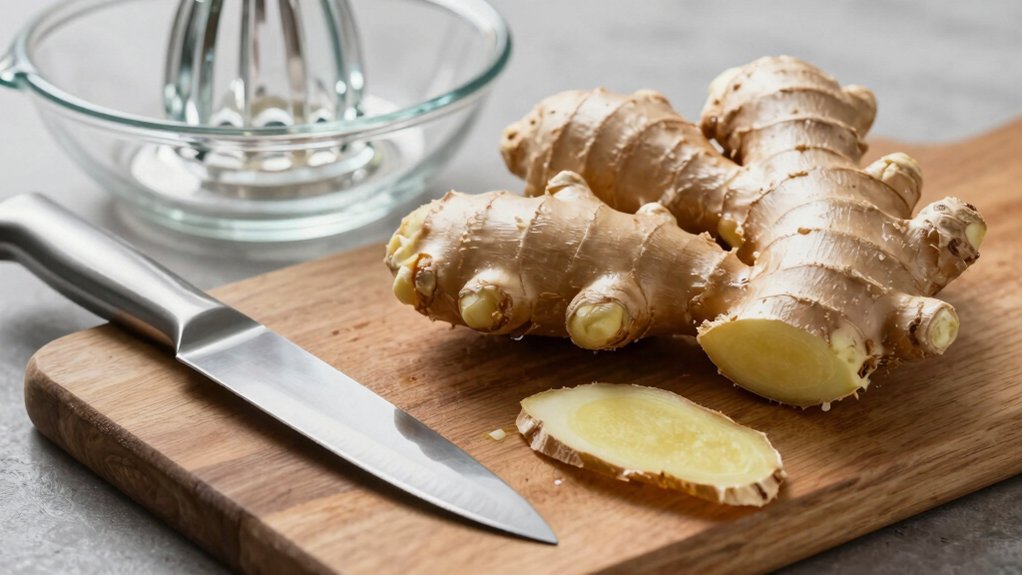
Should you peel ginger before juicing? It depends on your goals and equipment. Should I peel ginger before juicing? Honestly, it depends on whether your ginger is organic and fresh or conventionally grown and looking a bit wizened—but the short answer that’ll save you time is: no, you don’t need to peel it if you wash it properly first.
Peeling yields cleaner juice with a smoother texture and less bitterness, especially on bright blends or centrifugal juicers. If you want quicker prep and more peppery aroma, skip the peel but expect a bit more grit and stronger skin notes. For firm, clean roots or high-efficiency juicers, peeling isn’t essential. If you keep exploring, you’ll discover practical tests and tips to decide for your setup.
Peel or Skip: How Ginger Juice Taste Changes

Whether you peel or skip before juicing ginger changes the flavor and intensity of the juice. Your choice affects the final profile by altering sharpness, spice, and sweetness balance. Peeling exposes younger, milder tissue, which can yield a cleaner, citrus-tinged note and smoother mouthfeel.
Skipping preserves the ginger’s peel integrity, boosting overall pungency and adding earthy, peppery hints that some tasters prefer. Consider your juicer and intended use: for shots or bright blends, peeling may reduce bitterness; for complex blends, including the peel can enhance depth.
Pay attention to ginger texture—whether you notice fibrous strands or a smoother blend. Testing small batches helps you gauge preferred taste without committing to a single method.
When to Peel by Root Cleanliness and Juicer Type
Peeling decisions hinge on root cleanliness and your juicer type. You assess ginger storage conditions first: is it fresh, firm, and unblemished, or has it started to dry out? If the ginger is clean and free of mold, you can often juice with minimal peeling, especially in low-heat, wide-mouth juicers designed for whole roots.
For gritty or sandy roots, a light peel improves texture and reduces pulp. Your juicing equipment matters: microplane graters or triturating juicers may handle skin better than centrifugal models, which benefit from peeling to prevent dulling.
When root cleanliness is questionable, peeling reduces risk of contaminants and bitterness. In short, balance cleanliness, equipment capabilities, and the root’s freshness to decide peeling duration.
What the Skin Adds to Flavor and Aroma
You’ll notice the ginger skin adds subtle flavor notes and a sharper edge that can influence the overall juice profile.
The skin also holds essential oils that release aroma more slowly, affecting how the juice smells as you blend or drink it.
Understanding these dynamics helps you decide when peeling is worth the trade-off between flavor intensity and smoother texture.
Skin’s Flavor Impact
The skin of ginger adds distinct aromatic compounds and a touch of bitterness that can influence the overall flavor of juice, so you’ll notice a difference between juicing with the skin and without.
The skin contributes ginger aroma compounds that meld with the juice’s brightness, sometimes muting sweetness and sharpening spice. If you include the peel, you may detect more complexity, but it can also introduce grittiness or bitterness, depending on freshness and handling.
Practical approach: wash thoroughly, trim any rough areas, and juice a small batch to compare results.
Peel nutrition matters here only insofar as nutrients are mostly concentrated in the flesh, not the peel. Use this insight to tailor recipes—keep skin for intensity or remove for smoother, milder profiles.
Aroma Release Dynamics
Aroma release dynamics describe how the ginger skin contributes volatile compounds that bloom when juiced, shaping both aroma and initial taste perception. You’ll notice the peel texture influences how these compounds disperse; a rougher surface can trap more oils, delivering a sharper ginger aroma upfront.
When you juice with skin on, you may get a more multidimensional profile, including subtle spicy notes that fade quickly if the juice sits. If you opt to peel, you reduce surface oils and soften the initial bite, trading some aroma intensity for a cleaner, brighter middle aroma.
In either case, freshness matters: older skin loses some volatile strength, muting ginger aroma. For most recipes, test both approaches to balance aroma and taste.
Time-Saving Peeling Techniques to Reduce Waste

To save time and cut waste when peeling ginger, use quick-direction techniques that minimize scraps. You’ll peel along the grain, moving with the root’s natural curves to avoid gouging. Start with a firm grip and a sharp knife or a dedicated peeling tool, which speeds removal while preserving more flesh.
If you prefer a spoon, slide it gently under the surface to lift thin skins without wasting tissue. Work from knob to tip to maintain control and reduce waste. Keep scraps nearby for compost or flavor powders, not trash. This approach supports ginger nutrition by minimizing loss of flavorful oils.
Choose peeling tools that feel balanced in your hand for consistent results and cleaner, faster prep.
Partial-Peel Methods for Common Juicers
Partial-peel methods for common juicers strike a balance between speed and yield, letting you remove only the skin while keeping most of the flesh intact for quicker cleanups and better juice quality.
Start with a clean ginger piece and use a firm grip to peel in short, shallow strokes along the curvature. If your juicer supports wider openings, apply a light wobble to reduce resistance rather than heavy peeling.
For mini or low-ritual models, accept slightly more skin; the technique still preserves juice clarity when you cut away darkened edges.
Consider ginger storage: keep peeled portions wrapped and refrigerated to maintain freshness.
Confirm juicer compatibility by testing a small slice first, avoiding burn or clog risks while you optimize pulp texture and yield.
How to Tell If Ginger Is Ripe and Clean Enough to Juice
Ripe, clean ginger should feel firm with a tight, smooth skin and a bright, pungent aroma. When you pick ginger, inspect firmness by gently pressing; a soft or mushy area signals overripeness or damage. Check for discoloration, mold, or shriveling, which indicate spoilage.
Peel gently in a small area to assess interior; juicy, pale flesh is typical, while dark, dry cores suggest age. For storage, keep ginger in a breathable bag in the fridge to extend freshness, or freeze grated portions for long-term use.
Consider Ginger storage guidance to decide whether to store fresh or frozen. Organic versus conventional roots often differ in aroma and freshness; if both are available, choose the one with fewer blemishes and stronger scent.
Use ripe, clean ginger promptly for reliable juicing.


Peel-Test: Taste and Texture Comparisons
Peel-test results matter because the taste and texture of ginger can shift with even small differences in peel removal. In this test, you compare samples with minimal peel, partial peel, and full peel to gauge sensory impact.
You’ll notice that removing the brown rind reveals fresher, brighter ginger aroma, while remaining skin can dull or introduce bitterness. Texture contrast becomes clearer when you sample raw bits, grated shreds, and juice-ready pulp.
Document perceptual notes: aroma intensity, mouthfeel, and aftertaste. Use a small, controlled sample size to reduce variability, and repeat across multiple ginger roots to see consistency.
Rely on objective cues—aroma strength, fiber feel, and flavor clearness—rather than guesswork. This approach informs whether peeling improves or diminishes your juice’s overall profile.
Safe Peeling: Tools, Grip, and Sanitation
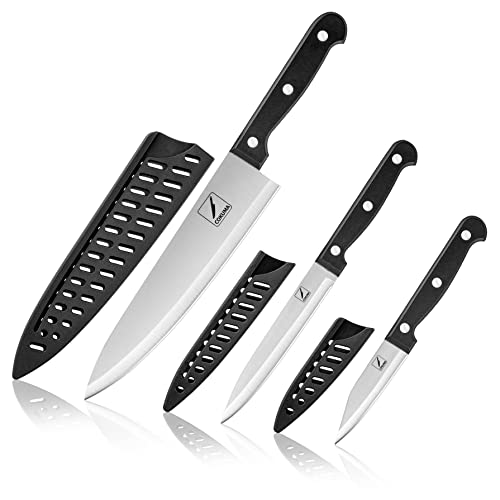
To peel ginger safely, start with a clean, stable workspace and the right tools: a small, sharp knife or a sturdy vegetable peeler, plus a cutting board with good grip. You grip firmly, steady the ginger, and peel with short, controlled strokes to minimize waste and protect the flesh.
Rinse your hands and tools before and after use to prevent cross-contamination, and sanitize the cutting board regularly. Maintain your gadgets by cleaning blades promptly, drying thoroughly, and storing them in a dry, organized space.
For gadget maintenance, inspect handles and edges for wear and replace dull blades promptly. Apply proper storage techniques: keep peeled sections covered or wrapped, and refrigerate promptly if not juicing immediately. This reduces browning and preserves flavor.
Quick Tips to Maximize Yield After Peeling or Not

If you want every drop of ginger juice, start by minimizing waste right after peeling: cut peeled ginger into uniform, small pieces so the juicer or blender processes evenly, and consider a quick rinse to remove any surface fibers that can gum up the machine.
- Use proper juicing equipment setup: fit the screen and blades tightly, and avoid overloading the hopper to maintain pressure and yield.
- Work in batches and squeeze out every bit by reprocessing pulp or adding a splash of water if needed, which helps extraction without diluting flavor.
- Store promptly with minimal air exposure to preserve aroma; store peeled ginger in the fridge or freezer to support ginger storage without sacrificing intensity.
A Simple Decision Checklist: Peel vs. Skip for Your Setup
Consider whether peeling saves time or preserves flavor for your setup: weigh Peel vs. No-Peel based on the ginger’s skin texture and your equipment.
Freshness and flavor improve when you peel for a cleaner juice, but skip if you want quicker cleanup and milder notes.
Also factor in cleanup considerations, since skipping can reduce prep but may leave more residue; choose the approach that aligns with your priorities and tools.
Peel vs. No-Peel
Peeling ginger isn’t always necessary, but it can matter depending on your setup and goals. In many juicers, the skin’s thin, edible layer contributes fiber and minerals, while for others it can introduce grit. Your decision hinges on practicality, not perfection. Consider these points:
1) Quick decision, no-peel: skip the peel if your ginger is clean and you’re prioritizing speed.
2) Peel for clarity: remove the skin when you’re after a smoother juice or you’ll use the pulp later.
3) Tools and storage: use peeling tools that suit your routine, and store peeled portions properly to extend ginger storage.
Bottom line: choose based on texture needs and tool availability; the skin isn’t inherently bad.
Freshness and Flavor
Freshness and flavor hinge on how you approach peeling for your setup. Your choice shapes aroma, heat, and the punch in each sip. If you’re short on time, thinly peeling or skipping the peel preserves more of the ginger’s essential oils, boosting brightness in juice.
For longer storage, trim to remove visibly dry edges, as moisture loss dulls flavor—use within a few days for best result. Ginger storage matters: refrigerate unwashed roots wrapped loosely, or freeze grated portions for later use without flavor loss.
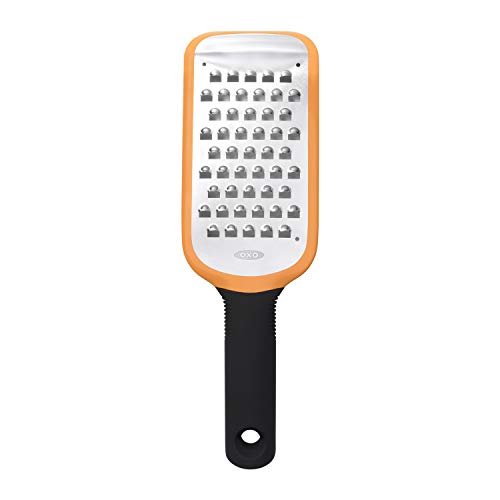
Your juicing equipment affects outcome too: a sharp grater or microplane minimizes waste and preserves surface oils, while a high-speed juicer handles larger chunks efficiently. Base your decision on freshness goals, then test small batches to refine.


Cleanup Considerations
To decide how to handle cleanup, weigh how peeling or skipping affects your time, mess, and gear. In practice, your setup dictates the best path. Consider these practical checks:
- Time impact: peeling adds prep but saves scraping later on blades and juicer.
- Mess and waste: skipping leaves fibrous skins; peeling reduces grit in juice and filter clogs.
- Gear compatibility: use dedicated peeling tools for speed, then rinse easily; store ginger properly to minimize waste.
Evidence-based tip: clean as you go to reduce lingering odors and cross-contamination.
For ginger storage, refrigerate peeled pieces or whole roots in a sealed container to maximize freshness.
If you choose peeling, keep a small brush or specialized peeling tools handy to maintain efficiency and hygiene.
Frequently Asked Questions
Is There Any Nutritional Difference When Peeling Ginger?
Peeling isn’t essential; you’ll lose some nutrients from the skin, but the core ginger still provides active compounds. If you want maximum nutritional value, scrub well and include ginger skin; otherwise, peeling won’t drastically change results.
Can Peeling Affect Juice Clarity and Color?
Peeling can affect juice clarity and juice color slightly; peeled ginger may yield a cleaner, lighter liquid. However, color changes are minor. Think of peeling like polishing glass: you’ll see clearer juice with subtle tint differences.
Does Peeling Remove Effective Enzymes in Ginger?
Peeling ginger won’t dramatically reduce enzymes you’re after; most enzyme activity stays near the surface. If you want enzyme preservation, lightly scrub the ginger to remove dirt, leaving ginger skin intact, since skin can contain beneficial compounds.
How Does Peeling Impact Storage Shelf Life?
Peeling can reduce surface bacteria and moisture loss, affecting storage preservation; however, peeled ginger dries faster. If you want longer shelf life, store unpeeled in a cool, dry place, or refrigerate peeled portions to slow peel removal effects.
Is Peeling Safer for Cleaners or Sensitive Juicers?
Peeling resembles shedding armor you don’t always need; you’ll find skin removal isn’t required for safety, and you’ll benefit from ease of cleaning. For cleaners or sensitive juicers, skip peeling to avoid unnecessary risks and waste.
Conclusion
Think of juicing ginger like steering a ship: you’ll get cleaner water with peeling, but you might lose some subtle flavor. If your root is clean and your juicer handles skin well, you can skip peeling. Weigh taste impact, yield, and sanitation. Quick tests—taste, aroma, texture—guide you. Use light peeling for most juicers; full peel for gritty skins or high-speed machines. Decide based on cleanliness, equipment, and how much flavor you’re chasing. Your setup, your decision.