

Yes. Start with a light dilution of about 10–20% to test texture and flavor. You’ll get a smoother mouthfeel, nicer brightness, and easier swallowing without washing out nutrients. Adjust in small steps (5–10%) based on taste and mouthfeel. Keep juice cold and add water just before serving for aroma, or pre-dilute for batch storage. Track your results so future batches stay consistent. If you want more practical tweaks, you’ll find them here.
What Adding Water Does to Juicing (Texture, Flavor, and Look)
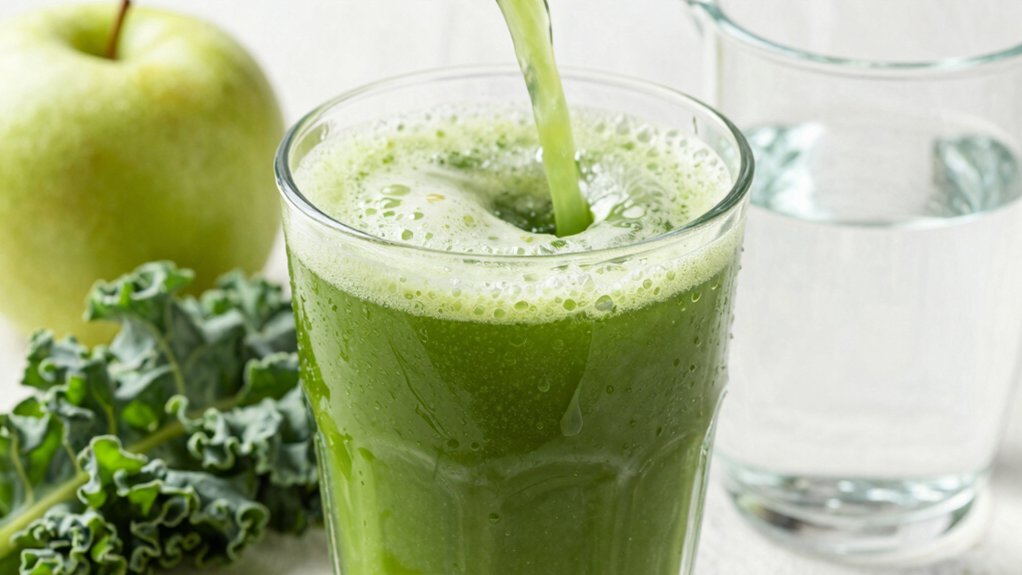
Water changes the juicing result in three practical ways: texture, flavor, and appearance. You’ll notice smoother mouthfeel when you add water, reducing pulp density and making juice easier to swallow, especially with fibrous produce.
Flavor is affected too: thin consistency can mellow sharp notes, yet you’ll preserve pleasant sweetness if you balance dilution with targeted produce.
Visual appeal shifts as color becomes more uniform and bright, improving perceived freshness. Evidence suggests moderate dilution can maintain nutrient density while enhancing drinkability, supporting consistent consumption.
For flavor enhancement, add water gradually and taste between sips, aiming for a balanced profile rather than a washed-out one.
Visual appeal matters for enjoyment and adherence, so keep the color lively and inviting.
When to Dilute: a Simple Goal-by-Juice Guide
When you’re deciding how much to dilute, use a simple goal-by-juice approach: start with your target mouthfeel and adjust in small steps. For each juice, begin with a modest dilution (about 10–20%) and test. If you prefer a lighter, more lively sip, add another 5–10%. If you want richer flavor without heaviness, reduce dilution slightly.
Track the texture, brightness, and aftertaste as you go, focusing on consistency across servings. Practical tweaks include modest additions of water or ice to reach your chosen mouthfeel without sacrificing flavor intent.
This method supports flavor enhancement and ensures portable convenience for on-the-go consumption. Keep notes for future batches to reproduce your preferred balance reliably.
How Water Affects Extraction, Nutrients, and Oxidation
If you adjust the amount of water in juicing, you’ll change extraction efficiency, nutrient stability, and how quickly oxidation starts. Water acts as a solvent, helping cell walls release sugars, vitamins, and minerals, but too much dilutes pigments and enzymes, lowering juice concentration.
Moderate additions can improve juice clarity and texture without sacrificing nutrients, while excessive water hastens nutrient degradation and accelerates oxidation by increasing contact with air. In practice, you’ll notice mineral dilution reductions in mouthfeel, not just numbers on a spectrometer.
Aim for a balance where flavor remains vibrant and enzymes stay active long enough for the juice to be consumed. Water can support flavor enhancement, but only when applied with attention to timing, yield, and storage conditions.
Practical Dilution Guidelines: Ratios, Timing, and Tips
To dial in dilution effectively, start with clear ratios and adjust based on flavor, texture, and storage needs. Begin with a baseline like 1 part juice to 1 part water for sipping, then reduce or increase water to taste.
Consider pulp content and temperature—colder juice often needs less dilution for perception of sweetness. Time dilution decisions around freshness: add water just before serving for maximum aroma, or pre-dilute for batch storage to prevent thick separation.
Track outcomes: note taste, mouthfeel, and how long flavors endure, aiding consistency. For juice preservation, use clean bottles and refrigerate promptly, aiming to minimize oxidation before serving.
For flavor enhancement, avoid overpowering notes by testing small batches, then scale.
Should You Add Water to Your Next Juice? A Quick Decision Framework
Water can boost drinking pleasure and reduce waste, but it isn’t always the right move. You should decide quickly using a practical framework: consider juice intensity, intended serving time, and your equipment.
If your goal is a bright, lighter beverage, add a small amount of water and taste before serving.
For a juice you plan to store, water can help with portion control, but use it sparingly to avoid diluting nutrients.
Flavor enhancement comes more from balancing fruit and vegetable ratios, not just diluting.
When you add water, apply preservation techniques like airtight containers and chilling promptly to minimize degradation.
In short, tailor dilution to purpose, and revisit ratios after testing. This evidence-based approach keeps flavor and nutritional goals aligned.
Frequently Asked Questions
Can Adding Water Affect Juice pH or Acidity Levels?
Adding water slightly dilutes juice, but it won’t dramatically change pH balance or acidity level; your taste may shift. You’ll notice more noticeable dilution than pH shift, so monitor acidity with a pH meter if precise results matter.
Does Water Addition Alter Probiotic Viability in Fermented Juices?
Water addition can dilute fermentation effects, and yes, it can lower microbial viability in fermented juices by reducing concentration of acids and nutrients. You should monitor fermentation conditions, tasting and testing pH to gauge fermentation effects and probiotic viability.
How Does Water Impact Foam Formation During Blending or Juicing?
Water lowers foam stability, so you’ll see less foam formation as you add fluids. For best results, monitor foam consistency and adjust liquid amounts to maintain blending efficiency while preserving texture and consistency in your juice or smoothie.
Are There Age or Medical Considerations for Diluting Juices?
Yes, there are age restrictions and medical advice to take into account. About 20% of pediatric patients with chronic illnesses require tailored juice dilution. You should seek medical advice to tailor dilution, monitor intake, and ensure safe hydration for age-specific needs.
Does Temperature of Added Water Change Nutrient Stability?
Yes, adding cold water preserves nutrients best; hot water can degrade heat-sensitive vitamins. You’ll minimize temperature effects by chilling water, mixing right before consumption, and avoiding prolonged exposure to heat—supporting nutrient preservation during juicing.
Conclusion
There’s no one-size-fits-all answer, but adding water can smooth texture, adjust flavor, and control calories without wrecking nutrient intake—when done thoughtfully. For example, diluting after extraction can cut bitterness and improve mouthfeel without markedly reducing antioxidant levels, since many phytonutrients remain soluble in small amounts of water. Test small batches, note your preferred ratios, and tailor it to your juice type. A practical rule: start at 1:1, then adjust to taste and digestion comfort.