
Table of Contents
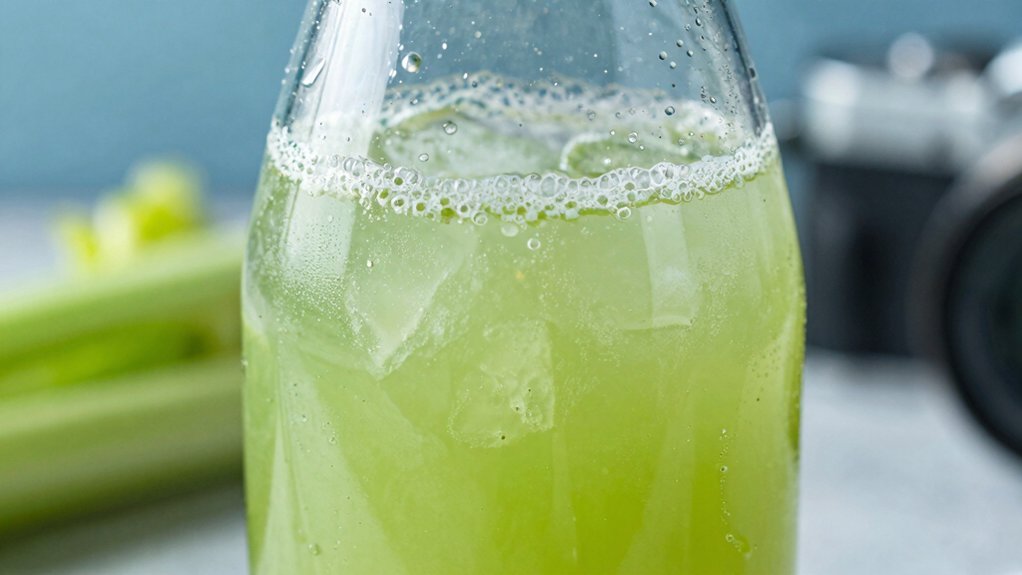
Can you freeze celery juice? Yes, absolutely—and if you’re tired of dragging yourself to the juicer every single morning to make fresh celery juice because some wellness guru told you it has to be consumed within fifteen minutes or it loses all its magical properties, freezing might just save your sanity.
Yes, you can freeze celery juice effectively. Flash freeze in small portions at -18°C (0°F) or colder to minimize ice crystal damage, preserving nutrients, flavor, and texture for up to six months. Use airtight containers with space for expansion and thaw slowly in the fridge for several hours or overnight. After thawing, consume within 24 hours and avoid refreezing. This approach reduces oxidation and nutrient loss; more details follow if you continue.
Why We Flash Freeze
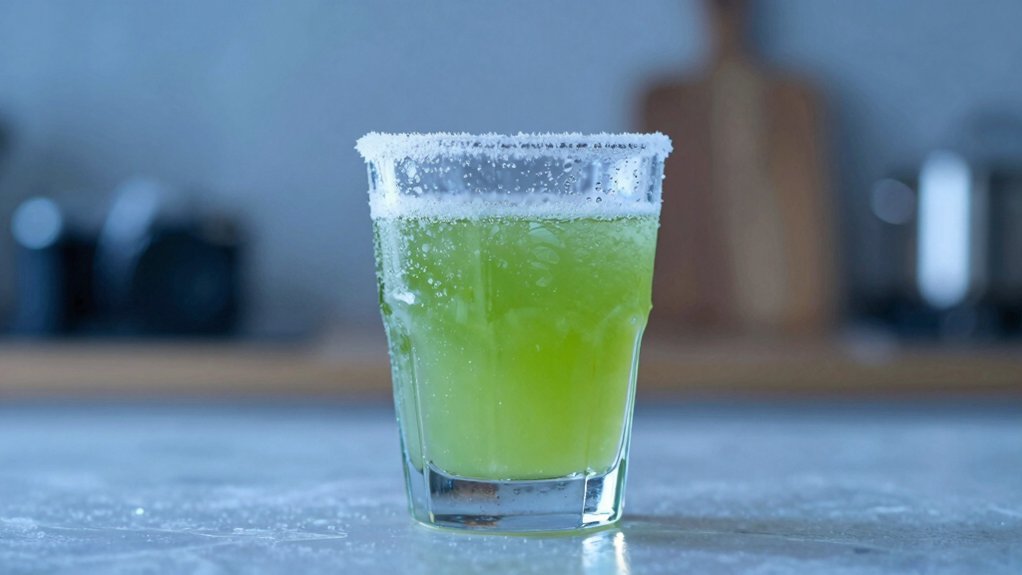
Flash freezing uses blast freezers to drop celery juice’s temperature rapidly, locking in freshness and nutrients within minutes. You engage this process to minimize degradation of nutritional content while preserving flavor.
The rapid chill prevents large ice crystal formation, protecting cell structures and maintaining texture and quality. By freezing juice quickly, you retain enzymes, vitamins, and minerals that would otherwise diminish through slower cooling.
This method acts as a storage safeguard, ensuring that once thawed, the juice remains true to its original profile rather than deteriorating over time. You benefit from consistent nutritional content and consistent taste across batches, rather than variable quality.
In short, flash freezing offers a technically substantiated route to preserve freshness, nutrients, and overall juiciness.
Does Freezing Celery Juice Destroy Quality
Freezing celery juice, when done with proper methods, doesn’t destroy quality and can preserve nutrients, flavor, and texture.
Quick, blast freezing limits oxidation and keeps vitamins and enzymes intact for up to six months.
Incorrect or slow freezing can affect texture due to ice crystals, but following correct thawing helps retain nutrients and taste.


Freezing Quality Impact
When done correctly, freezing celery juice preserves its nutrient integrity and flavor, while improper methods or slow freezing can cause texture changes and some nutrient loss.
You, the reader, benefit from rapid, controlled flash freezing that prevents degradation of key nutrients like vitamins, enzymes, and phytochemicals.
In practice, maintaining consistent subfreezing temperatures safeguards freezing quality and helps retain the juice’s fresh taste upon thawing.
Though improper methods may introduce ice crystal damage and subtle flavor shifts, correct technique minimizes these risks.
With proper handling, celery juice can retain its quality for up to six months in the freezer without significant nutrient degradation, supporting reliable nutrient preservation and overall readiness for use in smoothies, sauces, or culinary applications.
Preservation of Nutrients
Rapid, controlled freezing preserves celery juice’s nutrient profile, aligning with what we comprehend about quality maintenance from the prior discussion on freezing quality. When you freeze properly, the process safeguards nutrients, including vitamins, enzymes, and phytochemicals, by limiting degradation pathways.
Freezing at temperatures below -18°C (0°F) effectively preserves nutritional integrity for up to six months, with minimal losses. This preservation hinges on rapid freezing that suppresses ice crystal formation and enzymatic activity, maintaining the celery juice’s original composition.
Frozen celery retains most of its beneficial compounds, provided you minimize exposure to slow cooling or temperature fluctuations. For best results, stick to quick-freeze protocols and protect from repeated thawing, as these practices support overall preservation of nutrients. frozen celery, preservation of nutrients.
Thawing Effects on Flavor
If you thaw celery juice properly, its flavor remains close to the original profile. Freezing quickly preserves flavor by limiting oxidation and microbial activity, and properly frozen and thawed juice maintains its original taste and aroma with minimal flavor loss.
Thawing technique matters: slow or improper thawing can yield a watered-down or off-taste profile, while refrigerator thawing provides a gradual temperature change that helps preserve the juice’s fresh flavor. When thawed correctly, flavor compounds stay largely intact, and studies show freezing doesn’t *considerably* alter them if done properly.
How Long Does Celery Juice Last
You’ll want to think about how freezing impacts freshness, how long thawed juice remains usable, and the storage timeframes with clear signs of decline.
Freezing extends usability to about 6 months when sealed airtight, while refrigerated juice lasts roughly 3 days. After thawing, consume promptly and note any changes in flavor, texture, or aroma as indicators of quality loss.
Freezing Impact on Freshness
Freezing celery juice preserves its freshness and nutritional quality best when done promptly after juicing. You should store it in airtight containers to prevent oxidation and flavor loss. Properly frozen juice can maintain fresh flavor, enzymes, and vitamins for up to 6 months, provided it remains consistently frozen.
Immediate freezing after juicing helps maximize fresh quality and minimize nutrient decline. For best results, keep the juice sealed during freezing and avoid repeated freezing and thawing, which can degrade texture and aroma.
When you’re ready to use it, thaw in the refrigerator overnight to minimize nutrient loss and prevent spoilage. Don’t rely on frozen stock beyond the 6-month window, as quality deteriorates with time.
Freeze celery juice promptly to preserve fresh characteristics.
Thawing and Use Windows
After freezing celery juice, the usable window begins with proper thawing. You store frozen juice in airtight containers for up to 6 months, establishing a defined shelf life.
Thaw in the refrigerator overnight to preserve nutrients and flavor; avoid room-temperature thawing, which heightens spoilage risk and nutrient loss.
Once thawed, you should consume it promptly, ideally within 24 hours, to maintain ideal freshness and health benefits. Don’t refreeze after thawing, as repeated freezing degrades quality and nutrients.
The thawing process is the critical gateway between storage and use; mishandling during this step compromises both shelf life and sensory outcomes.
Storage Timeframes & Signs
Celery juice lasts up to 6 months when frozen in airtight containers, with minimal nutrient loss, while refrigerated juice remains usable for about 24 to 72 hours depending on storage conditions.
In this section, you’ll assess storage timeframes and observe signs of spoilage to guarantee safety and quality.
Frozen juice maintains stability when properly sealed, with negligible nutrient loss over the duration, provided you keep it at consistently low temperatures and thaw in the refrigerator.
Refrigerated juice should be consumed within 24 to 72 hours; beyond that, flavor and integrity decline.
Signs of spoilage include sour smell, off-taste, and changes in color or appearance, indicating deterioration.
Adhere to proper freezing and sealing to prevent freezer burn and preserve freshness, then thaw in the fridge and use within 24 hours for ideal quality.
Convenience At Your Doorstep
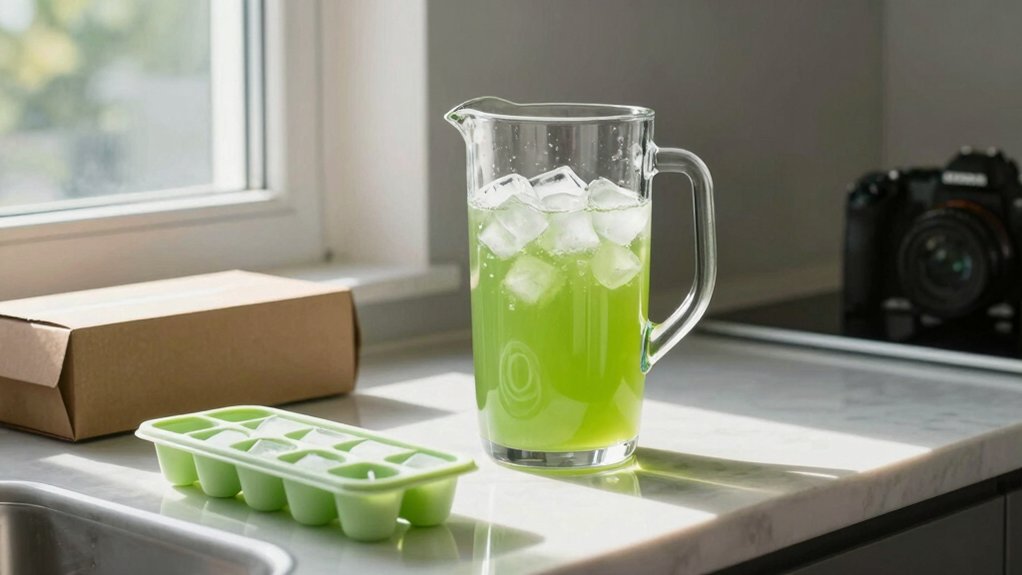
Convenience at your doorstep is a concrete benefit of frozen celery juice, because a flash-frozen product preserves nutrients and flavor while eliminating the need for daily juicing.
Raw Generation delivers frozen celery juice directly to your door, guaranteeing maximum freshness and nutritional content. The flash freezing process locks in flavor and nutrients, enabling you to enjoy celery juice anytime without preparation.
Delivery services provide pre-portioned, ready-to-thaw bottles, saving time and eliminating daily juicing tasks. You can schedule regular deliveries to maintain a consistent supply of healthy juice at home or work, reinforcing adherence to a healthy routine.
Properly packaged frozen juice ensures quality during transit, allowing you to access nutrient-rich celery juice with minimal effort and no onsite juicing. frozen celery juice, convenience at your doorstep.
Health Benefits of Celery Juice
Celery juice offers a measurable array of health benefits rooted in its bioactive compounds and nutrient profile. You experience anti-inflammatory support from antioxidants like luteolin and apigenin, which can bolster immune function.
The vitamin K and vitamin C content promotes skin health, connective tissue integrity, and overall wellness. Its substantial water content enhances hydration, aiding toxin clearance and metabolic efficiency.
You’ll notice digestion benefits as celery juice can stimulate gastric acid production, potentially alleviating heartburn and supporting nutrient absorption. Additionally, soluble fiber contributes to cholesterol regulation and postprandial glycemic control, influencing cardiovascular risk factors.
Together, these properties define the health benefits of celery juice, with effects rooted in nutrient synergy and bioactive phytochemicals. celery juice, health benefits.
Storage Options For Celery Juice
You should follow precise storage guidelines to maximize celery juice quality. For refrigerator lifespan, keep containers capped and away from temperature fluctuations.
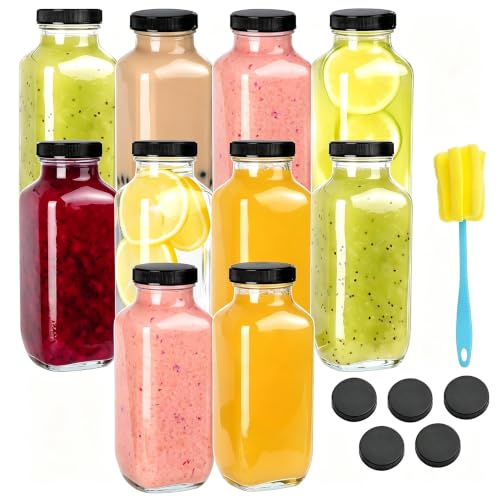
For freezing storage, use airtight glass or BPA-free containers with expansion space and thaw slowly in the fridge.
Consider adding a little lemon juice before freezing to reduce oxidation and preserve nutrients.
Refrigerator Lifespan Details
Refrigerator storage extends celery juice’s shelf life to about 72 hours when kept in an airtight container at or below 40°F (4°C). You maximize this window by refrigerating immediately after juicing and using glass mason jars or other sealed vessels to minimize oxidation.
Stored properly, the juice remains fresher, with nutrients better preserved than in open containers. Expect the fridge to slow microbial growth, but note that shelf life decreases dramatically if you leave juice at room temperature beyond 24 hours.
For best quality, consume within 2–3 days and discard if you detect off smell or abnormal appearance. Prioritize small, single-use portions to maintain consistent freshness and reduce repeated exposure to air.
Refrigerator lifespan depends on maintaining a constant cold, sealed environment.
Freezing Storage Guidelines
Freezing celery juice in airtight containers is a straightforward option to extend its shelf life. You should store the juice in glass or BPA-free plastic bottles, leaving space at the top to accommodate expansion during freezing.
For *ideal* results, use portions you can thaw in a single serving to minimize repeated freeze-thaw cycles. Label containers with date and contents to track storage duration, targeting up to 6 months.
Freezing preserves nutrients, flavor, and overall freshness when done properly, but avoid exposing juice to room temperature or extended freezer durations beyond six months to prevent quality degradation.
Thaw frozen celery juice slowly in the refrigerator overnight before consumption to maintain texture and aroma.
Implement these storage practices to maximize stability and safety. freezing storage
The Best Juicer for Celery
A cold-press (masticating) juicer is the best choice for celery because it preserves maximum nutrients and flavor while minimizing heat and oxidation.
You’ll want a model like a commercial-grade press, since it delivers consistent performance for high-volume celery juice.
Cold-press juicers operate at low speeds, reducing heat and oxidation, which helps maintain delicate celery nutrients and aroma.


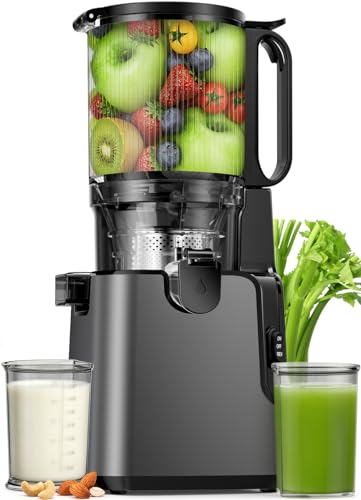


Masticating designs extract juice more efficiently and yield higher quality, pulp-free celery juice compared to centrifugal models.
Investing in a high-quality, dedicated juice press guarantees better extraction, taste, and nutrient retention.
For home or professional use, commercial-grade equipment is often preferred, delivering reliable throughput and repeatable results.
Thawing Frozen Celery Juice

You thaw celery juice in the refrigerator to preserve nutrients and minimize spoilage.
Expect defrosting to take several hours or overnight, depending on quantity.
Once thawed, consume promptly and don’t refreeze to maintain quality.
Thaw in Refrigerator
Thaw celery juice in the refrigerator at 4°C (39°F) for several hours or overnight to preserve nutrients and flavor. You should avoid thawing at room temperature, which promotes bacterial growth and spoilage.
Gradual fridge thaw maintains flavor, texture, and nutritional integrity while minimizing oxidation. Once thawed, you should consume the juice within 24 hours to ensure freshness and safety.
Proper refrigeration during thawing minimizes nutrient loss and contamination. During the thaw, expect a slight texture change but retain most of the original quality if kept cold.
Don’t refreeze thawed juice unless it has remained consistently cold and previously frozen under proper conditions.
In short, plan ahead: freeze, then thaw in the fridge to preserve nutrients and minimize risk.
Time to Defrost
To defrost celery juice efficiently while preserving nutrients, place the frozen juice in the refrigerator and allow it to thaw overnight.
You should defrost in the refrigerator rather than at room temperature to prevent bacterial growth and spoilage. In the fridge, it typically takes several hours to fully thaw, depending on the quantity.
Don’t refreeze juice after thawing; this preserves quality and safety. Consume the thawed celery juice promptly for maximum flavor and nutritional benefits.
By using the refrigerator for defrosting, you minimize nutrient loss and maintain a stable temperature environment. Plan ahead, batch sizes appropriately, and avoid partial thawing that could extend exposure time.
When thawed, assess aroma and appearance before use. This approach prioritizes safety, consistency, and measurable quality.
Post-Thaw Fresh Use
Once thawed, refrigerate the celery juice and use it promptly; ideal freshness and nutrient retention occur when consumed within 24 hours. Post-thaw use demands adherence to controlled conditions to preserve quality. Slow refrigerator thawing minimizes nutrient loss and texture changes, while avoiding room-temperature exposure prevents bacterial growth.
After thaw, expect only minor texture and flavor shifts; these don’t justify extended storage, so plan consumption within the 24-hour window. Don’t refreeze, as repeated thawing degrades both sensory and nutritional attributes. Maintain consistent refrigeration during the post-thaw period, and verify the absence of off-odors or unusual coloration before use.
For excellent results, incorporate thawed celery juice into ready-to-drink applications promptly, documenting any minor changes in mouthfeel or sweetness that may influence perception upon consumption.
The Shelf Life of Celery Juice
Freezing celery juice, when done properly, extends its shelf life to about six months with minimal loss of nutrients or flavor. You should understand that fresh, unpasteurized juice kept in the refrigerator lasts only 24 to 72 hours, so freezing offers a practical window.
When you freeze, use airtight containers to preserve vitamins, minerals, and enzymes for longer periods. Thaw frozen juice in the refrigerator overnight to maintain quality and safety.
After thawing, assess for signs of spoilage—off smell or discoloration indicates the juice has exceeded its safe shelf life and should be discarded.
For best results, label portions with date and avoid repeated freeze–thaw cycles, which can degrade quality and nutritional value.
Shelf life, freeze make your monitoring precise.
What Is a Juice Cleanse / Juice Fast
A juice cleanse, or juice fast, involves substituting solid foods with a regimen of liquids—primarily fresh fruit and vegetable juices, plus water, herbal teas, and clear broths—for a defined period. You follow a limited intake to reduce digestive workload and to target detoxification pathways.
In practice, you consume a variety of juice blends to maximize vitamin, mineral, and enzyme intake while limiting solid meals. The stated goals include supporting cellular repair and improved nutrient absorption through concentrated nourishment.
Durations vary from one day to several weeks, guided by tolerance and health goals. While proponents cite reduced inflammation and increased energy, evidence remains mixed regarding sustained benefits beyond short-term changes.
If you’re considering this approach, consult a clinician, especially when drink celery or other restrictive options are involved.
Benefits of a Juice Cleanse / Fast
A juice cleanse or fast concentrates nutrient intake from fruits and vegetables, delivering vitamins, minerals, and enzymes in a highly digestible form to support cellular repair and detoxification processes.
You may experience redirected energy from digestion, promoting systemic cleansing and reduced inflammatory signaling. Consuming liquids can enhance digestion efficiency, support gut health, and sharpen mental clarity through steady nutrient delivery.
Juice fasts facilitate toxin elimination, support organ function, and can contribute to modest weight management when caloric intake is controlled.
The high nutrient density in juices can bolster immune function and promote healthier skin, hair, and overall vibrancy.
When evaluating the benefits of celery juice, consider the synergistic effects of micronutrients, hydration, and reduced processing on your wellness goals.
Juice cleanse considerations should align with individual tolerance and lifestyle.
Celery Juice Recipes for Everyday Use
Celery juice fits neatly into daily routines, especially when prepared fresh in batches and stored in airtight containers for convenience. You can elevate everyday recipes by adding lemon, apple, or ginger, boosting flavor while preserving the health benefits of celery juice.
For variety, try green apple or mint variants to stay fresh and engaging without sacrificing nutrients. Proper refrigeration enables up to 72 hours of usability, supporting consistent, waste-minimizing consumption.
Freezing in small portions maintains nutrient integrity and offers ready access to a fresh-tasted beverage when time is tight. By varying ingredients within these boundaries, you sustain routine intake and ensure steady exposure to bioactive compounds.
This approach aligns with practical, evidence-based daily nutrition. Celery juice remains a flexible, health-forward option.
How to Store and Enjoy Celery Juice
To store and enjoy celery juice effectively, start by using airtight glass containers and leaving space for expansion before freezing, which prevents spoilage and preserves nutrients.
You should freeze the juice promptly after preparation to maximize nutrient retention and extend shelf life up to 6 months.
Thaw frozen celery juice slowly in the refrigerator overnight to maintain nutritional integrity, then consume within 24 to 48 hours for best flavor.
Don’t refreeze thawed juice, as quality and health benefits decline.
When ready, pour into an airtight container, ensuring no air pockets remain to minimize oxidation.
For best tasting results, shake gently after thawing to homogenize pulp.
If you must store, keep the container tightly closed and use within the recommended timeframe.
Is Juice Healthy and Safe to Consume
Freezing celery juice, when done correctly, preserves its nutrients and safety. You can expect frozen celery juice to retain most vitamins, enzymes, and overall nutritional quality when flash freezing is used and storage remains consistent.
Properly stored frozen juice stays safe to consume for up to six months, provided you keep the temperature steady and minimize temperature fluctuations. Thawing in the refrigerator helps preserve nutritional value and reduces bacterial growth risks, supporting safe to consume outcomes.
Freezing doesn’t markedly compromise safety if you maintain appropriate freezing temps and thaw correctly. To minimize spoilage, consume thawed juice promptly and store it properly.
Conclusion
You’ll notice a neat coincidence: what you freeze today mirrors what you thaw tomorrow, exactly when you need it. Celery juice keeps its nutrients, with minimal loss when flash frozen and stored properly, so convenience aligns with quality. Freeze in airtight portions, label dates, and thaw safely to preserve texture and flavor. In practice, frozen celery juice becomes a ready, evidence-backed option for steady daily intake, balancing practicality with the science of freshness and safety.