

Table of Contents
Many nutrition experts point to beets and carrots as two of the most nutrient-dense veggies you can throw in your juicer, and when you juice them together you basically turn your glass into a little vitamin-mineral powerhouse. Juicing beets and carrots together creates one of those unexpectedly brilliant combinations that tastes far better than it has any right to—earthy sweetness from the carrots balanced by the deep, slightly iron-rich flavor of beetroot that somehow works beautifully if you get the ratios right.
This isn’t just about creating a pretty pink-orange juice for Instagram either; you’re combining two nutritional powerhouses that deliver everything from blood pressure support and improved athletic performance to serious doses of beta-carotene and folate. But here’s what nobody tells you: beetroot will turn your kitchen (and possibly your bathroom visits) an alarming shade of magenta, raw beets can taste like dirt if you’re not careful with preparation, and getting the proportions wrong will leave you with something that tastes like you’re drinking a vegetable garden.
I’ve experimented with countless beet-carrot combinations to find the sweet spot between nutritional benefit and actually drinkable juice, and I’m going to share exactly what works, what doesn’t, and the crucial prep steps that make all the difference
You get a rush of natural nitrates from beets that support circulation, plus beta-carotene from carrots that your body turns into vitamin A for your eyes and skin, so it’s not just tasty, it’s doing real work inside you. If you’re trying to boost energy, support your heart, and keep your immune system from lagging, this simple combo deserves a spot in your routine.
What’s So Great About Beets?
Compared to a lot of other veggies that fade into the background, beets pretty much steal the show with their deep color and earthy sweetness. You’re not just sipping on a pretty juice here, you’re getting a root that’s loaded with natural nitrates, betalain pigments, and fiber packed into a small, juicy package. That combo supports your energy, your circulation, and even how fast you bounce back after tough workouts.
Seriously, They’re Nutrient Powerhouses
Instead of giving you one or two standout nutrients, beets hit you with a full lineup – folate, manganese, potassium, vitamin C, plus those famous betalains that act like tiny bodyguards for your cells. You’re basically drinking a multivitamin that grew in the ground. A single cup of beets can give you around 20% of your daily folate needs, which quietly supports your heart, brain, and energy production every time you juice them.
The Amazing Benefits for Your Blood Pressure
Compared to most quick fixes for blood pressure, beet juice actually works with how your body already functions. You’re giving your system natural nitrates that convert into nitric oxide, which helps your blood vessels relax so blood flows more freely and pressure eases up. Studies have shown that a daily glass of beetroot juice can shave several points off systolic blood pressure, which is a pretty big deal over time.
Because this effect kicks in within a few hours, you can literally feel the difference on days when you’re consistent. You might notice your post-work stress feels a bit lighter, your head feels clearer, and workouts feel smoother because your circulation isn’t fighting tight, constricted vessels. And when you pair beets with carrots in your juice, you’re layering in potassium and antioxidants that support healthy sodium balance too, which quietly backs up that blood pressure support day after day.
Carrots Are More Than Just Bunnies’ Food
Ever watched a chef toss carrots into literally everything like it’s no big deal? You actually get a crazy nutrient bundle in that simple orange stick – beta carotene for your eyes, fiber for your gut, potassium for your blood pressure, plus vitamin K and biotin that quietly support your bones and metabolism. When you juice them with beets, you bump up natural sweetness without adding sugar, while loading your glass with compounds that support liver detox and a steadier energy curve, instead of that crash-and-burn you get from coffee or energy drinks.
Let’s Talk About Vision and Skin
Imagine sipping your juice and, bit by bit, giving your eyes and skin a legit upgrade. Carrots are packed with beta carotene that your body converts into vitamin A, which supports low-light vision and helps your corneas stay healthy, not dry and irritated. At the same time, vitamin A supports normal skin cell turnover, so you may notice fewer flaky patches and a more even tone, especially if you’re pairing your carrot juice with some healthy fats like avocado or a splash of flax oil.
Why You Shouldn’t Sleep on Their Antioxidants
A friend of mine swapped his afternoon soda for carrot-beet juice for a month, and the wild part is his energy and post-workout soreness changed more than his waistline did. You get carotenoids like beta carotene, lutein, and zeaxanthin, plus polyacetylenes that researchers have linked to reduced inflammation and better cell protection. That antioxidant combo helps your body handle oxidative stress from workouts, late nights, and too much screen time, not just textbook “aging” stuff. In short, you’re stacking the odds in your favor every time you pour a glass.
To go a bit deeper, you’re not just dealing with one superstar compound, you’re getting a whole antioxidant crew working together. Studies show that higher blood levels of carotenoids are linked with better cardiovascular markers, and a 2018 review noted that carrot polyphenols can modulate inflammatory pathways like NF-kB, which is a big deal if your joints tend to complain after exercise. When you pair carrots with beets, their nitrates help improve blood flow, so those antioxidants actually reach your tissues more effectively. And since juicing removes some fiber, you absorb carotenoids faster, especially if you drink your juice alongside a source of healthy fat, which acts like a delivery partner for these fat-soluble nutrients.






Juicing 101 – How to Get Started
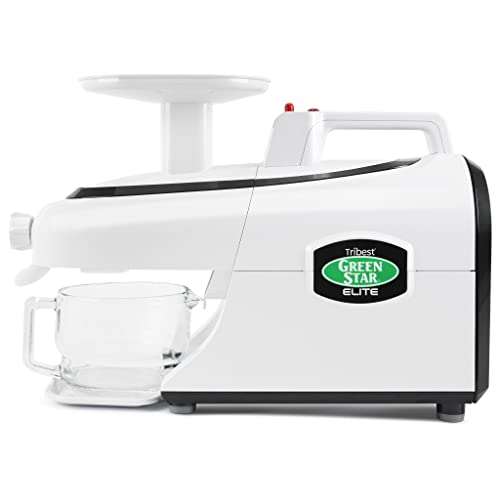
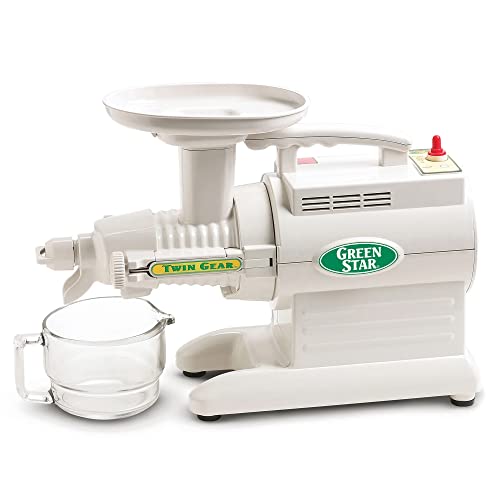
You don’t need a fancy cold-press machine or a chef’s kitchen to juice beets and carrots, you just need a basic juicer, a cutting board, and about 10 minutes. Start by scrubbing your veggies well, chopping them into chunks, and running them through the juicer in small batches so you don’t clog the chute. If the flavor hits too hard at first, you can dilute it with water or an apple to ease into it while your taste buds (and your digestion) catch up.
My Easy Guide to Juicing Beets and Carrots
Most people overcomplicate this, but you can nail a great beet-carrot juice with a super simple 2:3 ratio – 2 small beets to 3 medium carrots. You just wash, trim off the tops, chop into 1-2 inch chunks, then juice carrots first so they help push the beet pulp through. If you want a smoother texture, you can strain it once through a fine mesh, then chill it for at least 15 minutes so the flavors mellow and blend together.
Tips and Tricks for the Best Juice
Strangely enough, the sweetest juice often comes from the ugliest produce, so you actually want those smaller, slightly wrinkly carrots and medium beets instead of the giant, showy ones. You get better flavor when your veggies are cold, so stash them in the fridge at least a couple of hours first, then juice and drink within 30 minutes for max vitamin C and folate retention. For a smoother gut-friendly drink, you can peel older beets and carrots, especially if your stomach complains easily.
- Rotate ingredients: alternate beet and carrot pieces in the chute to keep the juicer from jamming and to extract more juice.
- Go low and slow: if your juicer has speeds, use the lower one for beets so you don’t end up with hot, oxidized juice.
- Balance the bite: add half an apple or a 1-inch knob of ginger if the earthy beet flavor feels too intense at first.
- Cut waste: save the pulp to mix into veggie patties, soups, or muffins for extra fiber instead of tossing it.
- Knowing a few small tweaks like chilling produce, rotating pieces, and using the right speed can turn so-so juice into something you actually crave every day.
Dialing in your technique for the best juice is less about rules and more about tiny upgrades that quietly add up. When you juice cold beets and carrots, for example, you slow oxidation and keep more of the natural sweetness, which is why the same combo can taste flat at room temp but amazing chilled. You can also rinse your juicer parts immediately after use so pigments don’t stain or crust, which weirdly makes you way more likely to juice again tomorrow because clean-up isn’t a nightmare.
- Prep in batches: wash and chop 2-3 days worth of beets and carrots, then store them in airtight containers so you just dump and juice.
- Flavor test: start with a small 4-6 ounce glass and adjust ingredients before making a big batch you might not like.
- Acid boost: squeeze in a bit of lemon to brighten flavor and slow color change if you’re sipping over an hour or so.
- Stir well: mix the juice before drinking, since the denser beet layer sometimes sinks and the carrot layer can float on top.
- Knowing how to tweak flavor, texture, and even cleanup with these little habits is what turns juicing from a short-lived experiment into a long-term part of your routine.
My Take on Mixing Flavors
Bold flavor combos are where beet and carrot juice really come alive, because you’re not just chasing nutrition, you’re chasing something you actually crave every day. You get this earthy-sweet base from the veggies, then you tweak it with bright acids, creamy textures, or a bit of spice so the drink never feels like a chore. When you start thinking in simple ratios – like 2 parts veg to 1 part fruit – you get consistent flavors without needing a recipe in front of you.


Which Fruits Go Best with Beets and Carrots?
Fresh apple and orange are your MVPs here, because they add sweetness plus vitamin C that can help you better absorb plant-based iron from beets. You can also pull in pineapple if you like a tropical edge and a hit of bromelain, or toss in lemon and lime to cut through that earthy vibe without loading up on sugar. If you want something a bit richer, pear gives you body and natural sweetness while still keeping the juice pretty low on the glycemic side.
A Few Delicious Recipes to Try
One simple combo you can lean on is 2 carrots, 1 small beet, 1 apple, and half a lemon for a bright everyday juice that lands around 120-150 calories. If you like a spicy kick, try carrots, beets, orange, and a 1-inch knob of ginger, which adds anti-inflammatory power plus that warm heat. On days you need a deeper energy boost, mixing beet, carrot, pineapple, and a handful of spinach gives you nitrates, beta carotene, vitamin C, and some plant-based iron in one glass.
For more variety, you can build a “sunrise” juice with 2 carrots, half a beet, 1 orange, and a slice of fresh turmeric, which many small clinical trials associate with reduced inflammatory markers. A slightly sweeter blend might be 1 beet, 1 large carrot, 1 pear, and a few mint leaves, which clocks in at roughly 18-20 grams of natural sugar but still brings fiber if you’re using a slow juicer that keeps some pulp. If you’re working out, a pre-training mix of beet, carrot, and 1 cup watermelon gives you extra citrulline plus the nitrates that studies show may improve blood flow and endurance by 5-15 percent in some athletes.
Is Juicing Actually Worth It?
Scrolling through social feeds lately, it feels like everyone suddenly has a mason jar full of beet-carrot juice, and yeah, there’s a reason for that. You’re getting a fast hit of antioxidants, nitrates, and beta carotene in one go, without having to chew through a mountain of veggies. For busy days, that convenience is pretty hard to beat. You still want balance though, so think of your juicer as a tool in your toolbox, not the whole toolbox.

The Truth About Juice and Nutrient Absorption
In terms of raw absorption, you actually win a bit with juice because your body doesn’t have to work through all the fiber first. Studies on beet juice, for example, show faster rises in blood nitrate levels, which is why athletes chug it 2-3 hours before a workout or race. You’re basically giving your gut less “work” and more direct access to vitamins, minerals, and plant compounds in a smaller volume.
Juicing vs. Eating Whole – What’s Better?
Side by side, a glass of beet-carrot juice and a plate of whole beets and carrots are like cousins, not twins. You keep most of the vitamin C, folate, beta carotene and nitrates in the juice, but a big chunk of the fiber stays behind in the pulp. If you’re chasing quick energy or pre-workout circulation support, juice wins. If your goal is appetite control and gut health, whole veggies quietly take the crown.
What really shifts the game is how you actually live day to day. If you’re never going to sit down and eat 2 medium beets plus 3 full carrots, but you’d happily drink a 10 ounce juice, then juicing effectively boosts your total intake, and that matters more than textbook perfection. You can always scoop some pulp into soup, muffins or a stir fry and claw back part of the fiber you lost. So instead of arguing about which is better in theory, you’re better off thinking about how to combine both – juice to increase your nutrients, whole veggies to keep your digestion, blood sugar and satiety on track.
A Few Health Myths About Juicing
There’s been a huge TikTok wave lately claiming that any kind of juicing, even beet and carrot, will “destroy your metabolism” or “flood your body with toxic sugar” overnight, but that’s not how your physiology works at all. When you juice smart – like pairing beets and carrots with fiber from your meals, protein, and healthy fats – research shows your blood sugar response is much more balanced than those dramatic before-and-after clips suggest. You’re not drinking candy; you’re getting vitamins, nitrates, and antioxidants in a super efficient form.
Don’t Believe Everything You Hear
Scrolling through reels, you’ve probably seen people say juicing instantly “ruins your liver” or that your kidneys can’t handle concentrated veggie juice, yet clinical data on beetroot juice (often 250-500 ml servings) shows benefits for blood pressure, exercise performance, and vascular health instead of organ damage. You do need common sense with portion size and existing conditions, but most horror stories online skip basic context, like what else that person was eating or how much caffeine or alcohol they were pounding.
Clearing Up Common Misunderstandings
One big mix-up is thinking beet and carrot juice is automatically worse than soda just because both contain sugar, when in reality you’re getting potassium, folate, beta carotene, and nitrates instead of empty calories. People also assume juicing “wipes out all the fiber,” but you still keep some soluble fiber and, if you use a blender or add pulp back in, you keep even more, which can actually support gut health instead of wrecking it. Another common belief is that juicing alone will detox your body, yet your liver and kidneys already handle detox just fine; juice can support them with nutrients, but it’s not a magic reset button.
Digging a bit deeper into those misunderstandings, you’ll see most of them fall apart the second you compare them with actual research instead of viral graphics. For example, a 2015 study on beetroot juice and blood pressure showed meaningful drops in systolic numbers without the wild blood sugar spikes people warn you about, largely because of its nitrate and antioxidant profile.
Then you’ve got carrots bringing in beta carotene that your body converts to vitamin A, which supports your eyes and immune system, so calling that “just liquid sugar” is pretty off base. If you combine your juice with a meal that has protein, chew some of the pulp, and stay within a realistic serving size (think 6-10 ounces, not a half-gallon jug), you’re using juicing as a tool that works with your body, not against it.
Summing up
Conclusively, if you’ve ever tossed beets and carrots into your juicer on a busy morning, you’ve already felt the quick energy kick and that weirdly satisfying “my body loves this” feeling. By juicing them regularly, you load your system with nitrates for better circulation, antioxidants for cell protection, and fiber-friendly compounds that keep your gut happier over time.
You support your heart, skin, and natural detox pathways without doing anything fancy – just sipping. So if you want an easy, tasty upgrade to your daily routine, beet and carrot juice quietly pulls more than its weight.