

Does the idea that you must spend a lot to juice for health hold up under scrutiny? You can get strong nutrition with budget-friendly choices like leafy greens, carrots, apples, and seasonal fruit, especially when you buy in bulk, compare prices, and use frozen items. Plan simple recipes, store produce properly, and prep ahead to cut waste. Ready to map a practical, low-cost approach that keeps flavor and nutrition intact without breaking the bank? Let’s start.
Budget Juicing 101: How to Get More Nutrition for Less
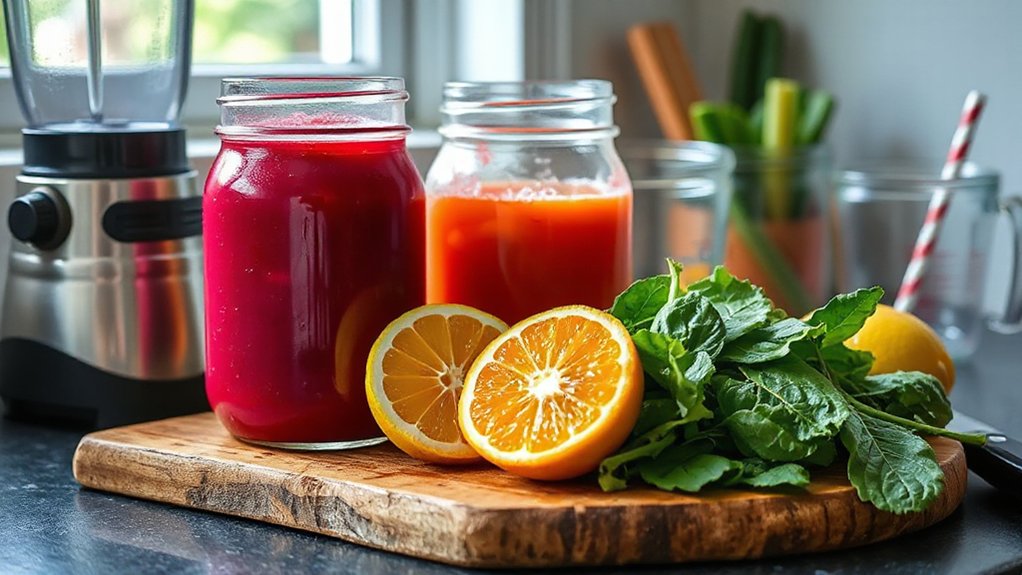
Budget juicing helps you get more nutrients while spending less by focusing on affordable, nutrient-dense produce and smart shopping. You’ll learn practical Juicing techniques to maximize nutrients without waste, selecting produce that delivers high vitamin density per dollar.
Start with leafy greens like spinach and kale, add cruciferous options, and supplement with affordable fruits for natural sweetness. Prioritize seasonal buys, compare unit prices, and bulk-store staples to stretch your budget.
For flavor, experiment with Flavor combinations that balance bitterness, sweetness, and acidity, such as apples with kale or citrus with greens. Store produce properly to preserve freshness, and juice in moderate portions to reduce oxidation.
This approach supports healthier choices, fosters consistency, and reinforces a sense of community around budget-conscious wellness.
Plan Your Juicing on a Shoestring: A Simple Shopping Framework
If you’re aiming to juice more for less, the key is a practical, repeatable shopping framework that keeps costs predictable without sacrificing nutrition.
To start, map your week around seasonal shopping, choosing fruits and veggies at peak flavor and price. Prioritize cost effective equipment only if it clearly saves time or waste; otherwise, use what you already own.
Build a simple rotation: leafy greens, citrus, and a flexible base like apples or carrots that blend well with other produce.
Compare unit prices, buy in small, frequent batches, and store properly to minimize spoilage.
Track what you actually use so you refine choices next week.
This framework fosters belonging through shared routines and steady, nourishing juicing without financial surprises.
Budget Juicing Staples: Affordable Produce That Delivers
Even when you’re watching costs, you don’t have to skip nutrition; choose staples that deliver steady flavor, nutrition, and versatility.
Budget juicing staples work best when you prioritize seasonal fruit and cost-effective greens, which maximize freshness and price per serving. Choose apples, oranges, carrots, and beets for reliable sweetness and mineral balance, then pair with greens like spinach or kale to boost nutrient density without overpowering your juice.
Frozen options can extend the budget without sacrificing value, while root vegetables add fiber and volume. Plan around sales and bulk bins, washing and storing produce properly to minimize waste.
A simple rotation of affordable, nutrient-dense produce builds consistent flavor and confidence, helping you juice regularly without breaking your budget.
Hydration Hacks and Ingredient Stretching to Save More
To stretch your produce and liquids, start by hydrating with high-water-content produce and adding small amounts of water or ice to extend the volume without sacrificing nutrients.
This approach keeps you energized while reducing waste and costs, aligning with budget-friendly ingredient boosts.
You’ll discuss practical tweaks, like pairing watery produce with fiber-rich additions, to maximize juice yield and hydration per unit.
Hydration Stretching Smart
Hydration is the foundation of effective juicing, and smart ingredient use helps you stretch both water and produce without sacrificing flavor or nutrition. You’ll increase hydration techniques by pairing high-water veggies with fruits, balancing electrolytes, and sipping between blends to maintain consistency.
Use ingredient diversity to broaden micronutrient intake without creating waste; rotate greens, roots, and herbs to prevent flavor fatigue and support digestion. Keep portions steady and prioritize whole produce over juice-only choices when possible, since fiber matters for fullness and glucose control.
Plan blends that emphasize water-rich options, then add a small amount of pantry staples to extend volume. Track results, adjust ratios, and share successful combos with your community for accountability and encouragement.
Hydration-driven practice builds confidence and belonging.
Budget-Friendly Ingredient Boost
As you move from hydration basics to practical budgeting, you’ll learn how to boost volume and flavor without raising costs. You’ll stretch ingredients by blending high-water produce with sturdier bases, like using cucumber or celery to extend juice while keeping sweetness balanced.
Embrace seasonal ingredient swaps to maximize freshness and reduce price, swapping berries for apples in mixed juice, or using leafy greens when fruit is pricey. Creative flavor combinations—ginger with citrus, mint with melon—unlock appealing profiles without extra add-ins.
Reserve pulp for later uses, such as smoothies or soups, to cut waste. Prioritize whole vegetables and in-season produce for consistent quality.
These practical choices reinforce belonging through shared, affordable wellness rituals that respect both budget and taste.
Five Quick, Flavorful Juices That Don’t Break the Bank
If you’re looking for quick, budget-friendly juice ideas, these five recipes deliver bright flavor in minutes using common ingredients. You’ll gain reliable options that maximize nutrients without waste.
Each juice emphasizes balance through flavor combinations that pair sweetness, acidity, and brightness, so you don’t need fancy produce to enjoy full taste. Begin with carrot-apple-ginger for a crisp base, then add cucumber-lemon for hydration, or spinach-pineapple for greens without bitterness.
For a tangy boost, try tomato-wheatgrass-lemon, and for a subtle herb note, cucumber-mint-apple works beautifully. When a recipe feels off, use ingredient substitutions like pear for apple or lime for lemon to preserve flavor.
These choices keep costs low while maintaining quality, clarity, and confidence in your juice routine.
Prep and Storage Tricks to Keep Produce Fresh Longer
Even with a busy schedule, you can maximize produce freshness by starting with a quick plan: separate and prep produce right after shopping, store each item in its ideal environment, and use practical reminders to minimize waste. Your goal is produce preservation through simple habits that stick.
Begin by washing and drying greens, then storing them in perforated bags or, for crisper lettuce, a breathable container to maintain humidity. Use refrigeration techniques like keeping root vegetables in a cool, dark drawer and placing fruit away from ethylene-producing items to slow ripening.
Label portions and date containers to track freshness, rotating stock as you juice. Consistency beats excess prep—small, repeatable steps protect flavor, nutrients, and wallet, while quietly boosting your confidence and belonging in a budget-conscious juicing routine.
Track Your Spending and Build a Consistent Juicing Routine
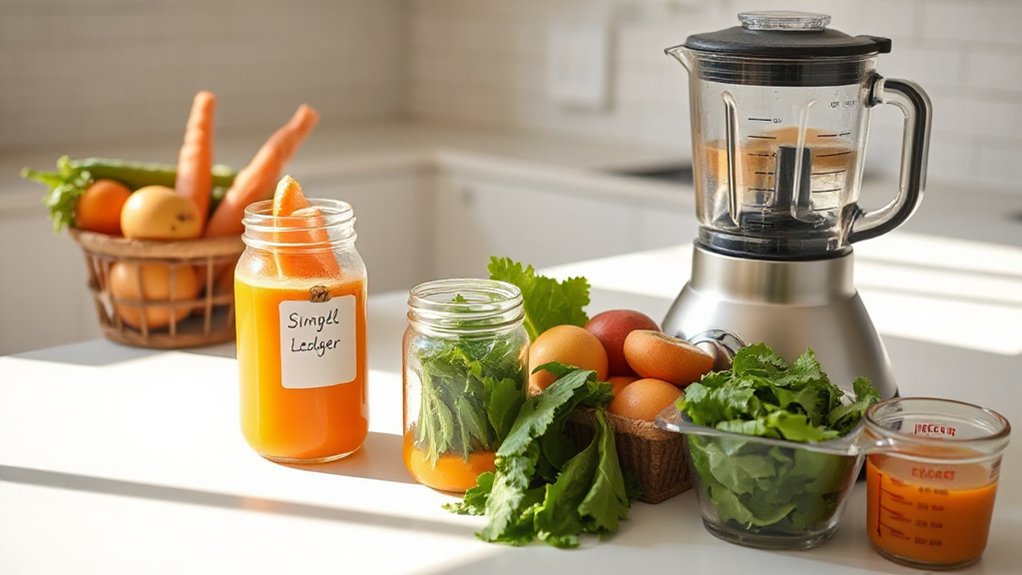
You’ll prioritize cost effective equipment by comparing durable models with low upkeep, ensuring long-term value.
Keep a running tally of produce, supplies, and any extras, so you can spot patterns and adjust weekly targets.
Establish a routine that fits your schedule, like batch juicing on weekends and daily quick blends on busy days.
Use budget friendly flavoring to enhance taste without inflating costs, and document preferences to refine future purchases.
Review receipts monthly to identify savings, and reuse jars or containers to reduce waste.
A clear plan builds belonging, accountability, and consistent progress toward healthier, affordable juicing.
Troubleshooting Common Budget Juicing Hurdles
When budget juicing hits snags, identify root causes quickly: missing produce, costly supplements, or tools that underperform. You’ll troubleshoot by auditing your pantry first, noting what’s fresh and affordable, then substituting cheaper ingredients without sacrificing nutrition.
Use cost-effective equipment verified by user reviews or trials, choosing models with reliable warranties and easy maintenance. If a gadget underperforms, compare with manual methods that deliver similar juice yield.
Seek ingredient substitutions that maintain flavor and micronutrients—root vegetables or leafy greens can replace pricier fruits. Plan purchases around seasonal produce to maximize value.
Track results and adjust portions to avoid waste. This approach builds confidence, fosters belonging, and keeps your routine sustainable while staying within budget.
Frequently Asked Questions
How Can I Juice on a Tight Schedule Without Waste?
Start by planning quick Juicing routines with simple Fruit combinations, then batch prep beforehand to minimize waste. You’ll save time, and combinations stay fresh; drink immediately or store in airtight containers to maintain nutrients.
Which Budget Mistakes Derail Beginner Juicers Most?
Yes—overbuying produce, chasing gimmicks, and overpriced gadgets derail you; start small. You’ll save by mindful Juice ingredient selection and embracing Juicing recipe creativity, avoiding waste and hype. You’ll belong by sharing sensible, evidence-based choices.
Are Cheap Juicers Worth Buying for Beginners?
Cheap juicers can work for beginners, but you’ll need to manage expectations and maintenance. Rely on reliable Juicer maintenance habits and thoughtful Juice ingredient selection to get consistent results and feel confident joining the healthy-juicing community.
How Do I Balance Taste and Nutrition Affordably?
A 60/40 balance hits sooner than you think: 60% nutrition, 40% flavor. You’ll win with flavor pairing and ingredient variety, savoring benefits together. You’ll stay affordable, evidence-based, and part of a community that values both taste.
What’s the Best Way to Store Juice Cheaply?
Store juice in airtight glass bottles in the fridge, consuming within 3–4 days. Freeze portions for longer. Label with date. This keeps Juicing recipes fresh, using Fresh produce efficiently, saving money and keeping you feeling included.
Conclusion
If you juice on a budget, you’ll squeeze more nutrition every dollar. Remember: leafy greens plus carrots and apples cover fiber, vitamins, and antioxidants affordably. A surprising stat: seasonal produce can drop costs by up to 25% compared with off-season buys, keeping your routine affordable. Plan meals, batch prep, and store properly to minimize waste. Track your spending, stay consistent, and adjust with frozen or bulk options when prices spike. Your healthier habit is within reach, without breaking the bank.