
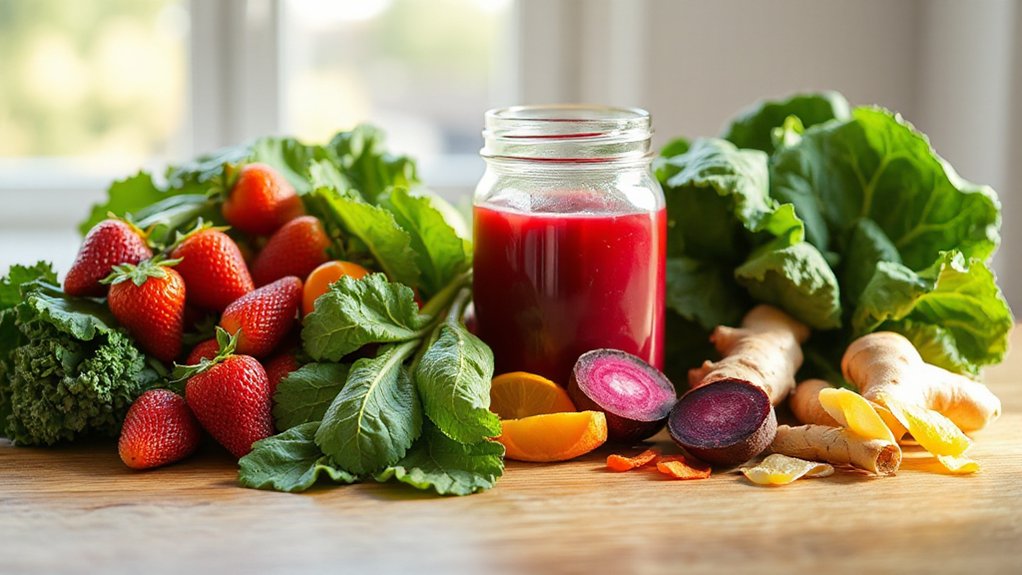
Citrus, greens, berries, and roots aren’t just colorful—they’re tied to tangible immune benefits you can actually use. You’ll explore how vitamin C, plant polyphenols, and anti-inflammatory compounds support barriers and defenses, without relying on hype. As you consider blends, you’ll see how smart combos boost absorption and flavor. There’s more to this than a quick squeeze; a few practical guidelines can change how you approach juice day-to-day. Let’s start with what to prioritize.
What Makes Immune-Boosting Juices Powerful

Immune-boosting juices work mainly by delivering concentrated vitamins, minerals, and phytochemicals that support immune function and reduce inflammation. You’re tapping ancient remedies while leaning on modern science to understand how these nutrients influence your cells, gut, and signaling pathways.
Power comes from a blend of antioxidants, flavonoids, and micronutrients that work together, not in isolation, to help you respond to stress and infections. You’ll notice how hydration plus micronutrients support mucosal barriers and immune cell activity, especially when you choose ingredients with diverse phytochemical profiles.
The practical takeaway is simple: prioritize variety, soil-rich produce, and minimal processing to maximize bioavailability. This approach honors belonging—sharing knowledge that respects tradition and evidence-driven practice.
Ancient remedies meet modern science for practical wellness.
Citrus Power: How Vitamin C Supports Immune Defense
Citrus fruits deliver a potent punch of vitamin C, a micronutrient that supports multiple immune pathways, helps maintain mucosal barriers, and acts as an antioxidant to curb inflammation.
You’ll notice that Citrus varieties vary in flavor, sweetness, and aroma, but they share a common benefit: boosting neutrophil function and supporting antibody production.
In practical terms, you can fit vitamin C into daily routines through a glass of fresh juice or a quick citrus snack, making it easier to meet targets. Rely on Vitamin C sources like oranges, grapefruits, tikes of mandarin, and lemons to diversify flavors without sacrificing effectiveness.
Prioritize whole fruits alongside juice to balance fiber with immune-supporting vitamin C, and enjoy the sense of belonging that comes from nourishing your health together.
Leafy Greens in a Bottle: Greens That Bolster Defense
Leafy greens, blended into a bottle, deliver a dense mix of nutrients that support immune defenses, including vitamins A, C, and K, minerals, and plant compounds with anti-inflammatory effects.
You’ll feel you belong to a health‑minded circle when you sip these greens daily, knowing you’re fueling frontline defenses.
Use spinach, kale, or arugula as your base, then add cucumber for hydration and a touch of citrus for palatability.
The idea is practical, not preachy: aim for a 12–16 oz bottle to balance volume with absorption.
Herbal infusions can elevate flavor without excess sugar, while ensuring you maintain antioxidant synergy across ingredients.
Keep preparation simple, fresh, and consistent, and your immune toolkit gains reliable, evidence‑based support.
Berry Boosters: Polyphenols for Inflammation Control
Berry boosters bring polyphenols to the fore as you fight inflammation. You’ll notice that berries deliver powerful polyphenols, supporting your body’s natural defenses without hype.
Berry antioxidants act as inflammation fighters, helping modulate enzymes and signaling pathways that influence redness and soreness. In practical terms, add a handful of blueberries, strawberries, or raspberries to your juice or smoothie for a concentrated, everyday boost.
The evidence is mixed in strength, but consistent in direction: polyphenols contribute to a healthier inflammatory profile when consumed as part of a balanced diet.
Pair berry servings with fiber and lean protein to sustain steady energy. You belong in a community that values reliable, actionable choices—ingredients that support wellness day by day.
Zingy Roots: Ginger and Turmeric for Immune Signaling

Ginger and turmeric spark immune signaling by modulating key pathways and inflammatory mediators, helping your body respond more effectively. You’ll see how ginger’s compounds activate defense signals while turmeric targets anti-inflammatory routes to support overall immunity.
Together, they’re practical picks for juice blends focused on clear, evidence-based immune support.
Ginger’s Immune Signals
What signals in your immune system do ginger and turmeric trigger, and why do those signals matter for everyday resilience?
Ginger activates innate defenses by enhancing antioxidant levels and promoting balanced cytokine signaling, nudging your frontline cells to respond without overreacting.
Turmeric compounds support similar pathways, helping quell oxidative stress and sustain healthy NADPH activity.
Together, they influence signaling molecules that coordinate warning calls to nearby immune cells, improving quick recognition of invaders.
You may notice steadier energy and fewer minor flare-ups as these signals maintain a measured response.
In practice, enjoy herbal infusions that extract these compounds, while keeping expectations realistic.
This approach aligns with belonging—sharing evidence-based, approachable remedies that bolster resilience without hype, supporting steady, measurable benefits.
Turmeric Anti-Inflammatory Pathways
Turmeric activates anti-inflammatory pathways by modulating key signaling molecules, including COX and NF-κB, which helps dampen excessive inflammatory responses without compromising defense. You’ll appreciate how this translates into everyday use: you can pair turmeric with familiar flavors to support steady signaling and comfort.
In practice, focus on practical spice combinations and simple herbal infusions that fit your routine.
- Turmeric + black pepper boosts absorption and helps steady NF-κB signaling.
- Combine turmeric with ginger for complementary anti-inflammatory effects.
- Use cinnamon and clove in spice blends to enhance circulation support.
- Prepare warm herbal infusions with turmeric, lemon, and honey for daily consistency.
- Rotate spices to maintain enjoyment and sustained signaling benefits.
Roots Boost Immunity Signaling
In practical terms, pairing these roots helps coordinate innate and adaptive responses, aiding resilience during stress or illness flare-ups. You don’t need miracle claims—just consistent intake through real foods and informed juices.
Embrace a mindful routine: small, daily amounts integrated into beverages, not as a cure, but as support. This approach respects Ancient herbal remedies while aligning with Modern juice technology, translating traditional wisdom into accessible, contemporary practice for a sense of belonging and well‑being.
Probiotic Twists: Gut-Immune Harmony in Juice Form
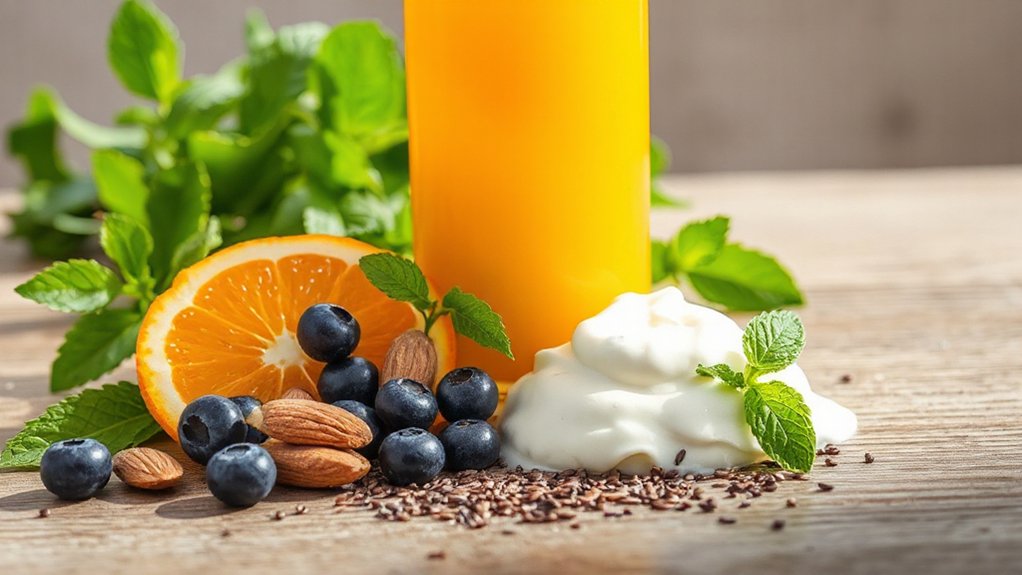
Probiotic twists bring gut-immune synergy to juice, and evidence supports that fermented or cultured ingredients can bolster microbial diversity and short-term immune markers. You’ll notice easier tolerance, quicker recovery, and a sense of community around shared practices.
Small, deliberate additions can shift your routine without complicating it. Herbal infusions and cultured bases offer approachable options, aligning with Seasonal variations so you don’t stagnate. You’ll feel empowered to experiment, while staying evidence‑driven.
- Choose kefir or yogurt starter smoothies for creamy texture and probiotic lift
- Add mildly fermented beets or cabbage for color and gut diversity
- Infuse with herbs you love to enhance flavor and healing notes
- Rotate ingredients with the season to maintain freshness
- Keep portions modest to preserve palatability and adherence
Flavor Pairings That Boost Taste and Function
Flavor and texture work together to magnify immune-boosting effects, so you’ll notice brighter flavor when you pair fresh ingredients with complementary textures.
Think light, crisp greens with juicy citrus for balance, and add a tactile lift like chia or ground seeds to boost mouthfeel and satiety.
Start with small tests to confirm which combinations taste best to you while maintaining a smooth, drinkable texture.
Flavor-Fresh Ingredient Pairings
Pairing fresh ingredients thoughtfully can boost both flavor and function in immune-boosting juices. You’ll discover that bright citrus and leafy greens create quick flavor balance, while herbs elevate aroma and antioxidant punch. Trust simple fruit combinations and subtle herbal infusions to support palatability and consistency, not just color.
You’ll feel invited to experiment with seasonal produce, keeping portions practical and approachable. Aim for balance: sweetness, tang, and a gentle bitterness can all support well-being without masking benefits.
- Citrus with cucumber and mint for hydration and clarity
- Pineapple with spinach and basil for tropical depth
- Apple with kale and rosemary for bright sweetness
- Berry mix with lemon and thyme for resilience
- Grapefruit with carrot and ginger for zing and digestion
Texture-Rich Taste Enhancers
Texture adds body and mouthfeel that can boost perceived taste and mask or reveal functional notes in immune-boosting juices. You’ll discover textures that support flavor without masking benefits.
Texture enhancement comes from ingredients like chia, flax, and finely milled seeds, which thicken naturally while delivering antioxidants and fiber.
Pairing citrus or ginger with these elements boosts flavor complexity, inviting you into a balanced, satisfying sip.
For smoother blends, a splash of coconut water or almond milk adds creaminess without overpowering immune-supporting notes.
If you crave brightness, consider pulp-free blends with a touch of sparkling water to lift texture while preserving nutrient integrity.
Track your preferences, refine portions, and enjoy a drink that reinforces community and health through thoughtful texture.
Quick Three-to-Five-Ingredient Juice Recipes
Getting results fast is possible with simple three- to five-ingredient juice blends that you can batch and sip throughout the day. You’ll choose components that support immune function and taste great, then keep several small jars ready in the fridge.
Simple combos frequently work: greens plus citrus, with a splash of ginger or turmeric for warmth, and a fruit for natural sweetness. Opt for herbs or herbal infusions when you want variety, and consider mineral supplementation from mineral-rich greens or sea salt in tiny amounts to balance electrolytes.
Adapt blends to your routine, not the other way around, so you stay consistent and motivated.
- Ginger, spinach, lemon, apple, turmeric
- Kale, cucumber, lime, mint, watermelon
- Parsley, celery, orange, carrot, ginger
- Swiss chard, beet, grapefruit, basil
- Swiss chard, lemon, pineapple, cucumber, cilantro
How to Tailor Juices for Your Season and Goals
As you move from quick three- to five-ingredient blends to a more tailored approach, you can adjust juice choices to fit the season and your goals. To align with Seasonal flavor, choose produce that’s at peak locally, which tends to taste better and retain nutrients.
For immunity goals, prioritize color and diversity: greens for folate and chlorophyll, citrus for vitamin C, and berries for polyphenols. Ingredient sourcing matters—prefer minimally processed, fresh items, and rinse thoroughly to remove residues.
Build a core base (e.g., leafy greens, cucumber) and rotate add-ins by season, noting how each component supports you without overloading flavors. This practical method creates consistency, fosters community through shared sourcing, and keeps your routine enjoyable and sustainable.
How to Evaluate Juice Efficacy: Tasting, Tracking, and Adjustments
Taste-based assessment helps you quick-check flavor balance and tolerability, while trackable health indicators give concrete signals of impact.
Use simple, repeatable tools to record sweetness, bitterness, and aftertaste alongside metrics like energy, digestion, and immune-related symptoms.
If results stay flat or improve, follow a clear adjustment protocol to tweak ingredients, portions, and timing for your goals.
Taste-Based Assessment Tools
To assess juice efficacy effectively, start with a simple, structured tasting routine: sample small portions at steady temperatures, note immediate flavors, and record aftertaste and mouthfeel.
- Flavor profiling: identify dominant notes and their evolution across sips
- Ingredient synergy: observe how flavors harmonize rather than clash
- Consistency checks: compare same batch across days for stability
- Threshold detection: pin down noticeable flavors at varying portions
- Bias awareness: note personal preferences without overestimating health impact
This toolset helps you judge taste quality, not just potency. Rely on practical cues—flavor balance, finish duration, and mouthfeel—to guide adjustments.
Keep records concise to build a shared language with peers. You’ll feel a sense of belonging as your judgment becomes more reliable and you trust your sensory observations.
Trackable Health Indicators
Track changes with a lightweight log: date, juice composition, and symptom shifts. Pair subjective vibes with objective markers, such as blood pressure, resting heart rate, or stool consistency, if you have access to basic tools or a clinician’s guidance.
Prioritize flavor combinations that support sustainable intake, while honoring ingredient sourcing—choose fresh, seasonal produce and traceable suppliers to reinforce trust.
Regular reviews reveal actionable tweaks, not guesswork, helping you stay connected to your health goals. This approach fosters belonging through shared, evidence-based routines.
Adjustment Protocols Implemented
When evaluating juice efficacy, start with a structured adjustment protocol: taste notes guide initial tweaks, while tracking data confirms whether changes improve energy, digestion, or sleep.
- Use seasonal ingredient swaps to refresh flavors without sacrificing nutrition
- Log adjustments and outcomes to reveal patterns and build community trust
- Prioritize small, reversible tweaks to minimize waste and stress
- Emphasize storage optimization to preserve nutrients between batches
- Reassess weekly and share practical results with your circle for accountability
This approach stays concise, evidence-based, and practical, helping you feel part of a shared wellness journey.
Frequently Asked Questions
Do Juicing Benefits Persist After Digestion and Absorption?
Digestive enzymes help break down juice nutrients, but benefits don’t persist unchanged after absorption. You optimize nutrient bioavailability by pairing fiber and protein, staying hydrated, and consuming variety; your body uses what it can, right away and throughout digestion.
Can Juice Intake Replace Balanced Meals for Immunity?
Juice alone cannot replace meals; you’ll likely face nutrient imbalance. Mix juicing with balanced meals instead, you’ll sustain energy and immunity. Prioritize whole foods, fiber, and protein to prevent gaps while you 귄embrace healthy, belonging-minded routines.
Are There Risks With Over-Juicing Certain Ingredients?
Yes, there are risks with over-juicing certain ingredients. Juicing safety matters, and Ingredient toxicity can occur from concentrated antioxidants or minerals. You should balance, vary produce, and monitor portions to avoid nutrient imbalances and adverse reactions.
Which Sugars in Juice Affect Immune Health Most?
Natural sugar sources, particularly from juice, can raise glycemic impact and affect immune function; choose whole fruits and limit added sugars to minimize spikes, supporting steady energy and a sense of belonging through mindful, evidence-based choices.
How Does Sleep or Stress Influence Juice Effectiveness?
Sleep quality and stress hormones influence juice effectiveness: better sleep boosts recovery, while high stress elevates cortisol that can blunt immune responses. You’ll notice steadier energy and sharper focus when you prioritize sleep and manage stress consistently.
Conclusion
You’ve got the tools: citrus to power immune defenses, greens for essential vitamins, berries for polyphenols, and ginger or turmeric to modulate signaling. Try a bright, quick combo like orange, spinach, berries, and ginger. Skeptical about juice? Think of it as a nutrient-packed supplement, not a replacement for balance. When you drink mindfully, you’ll notice flavor and energy rise together, supporting resilience day by day without added fuss.