

You might worry that dessert-like juices are merely sugar bombs, but with whole fruits, modest sweeteners, and creamy add-ins you can still support balanced nutrition. You’ll find practical tips for boosting flavor with berries, citrus, cacao, and yogurt—or plant-based creams—without tipping into excess calories. This approach helps you enjoy indulgent taste while staying on track, yet there’s more to optimize—from textures to storage—that could change how you blend your next glass.
How to Judge a Healthy Dessert Juice: Criteria and Cautions
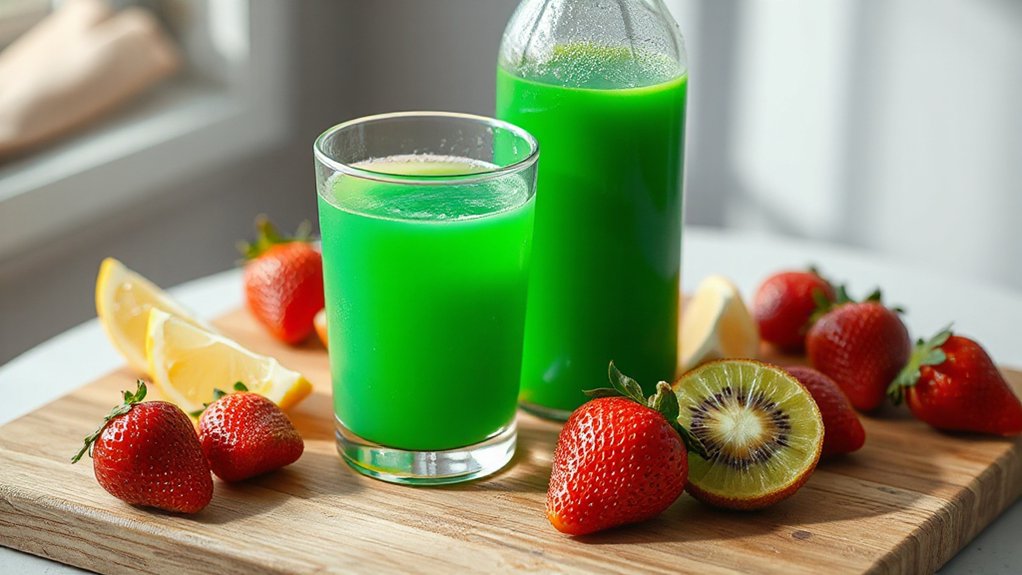
When judging a healthy dessert juice, start with the basics: look for real fruit or vegetable as the main ingredient and minimal added sugars. You’ll assess Sugar content by checking nutrition panels and ingredient lists, aiming for low sugar per serving and no artificial sweeteners.
Then, judge ingredient quality: choose juices that use whole produce, not concentrates or vague “natural flavors.” Consider fiber presence and whether the juice includes pulp or sediment, indicating less processing.
Watch for hidden additives, such as syrups or fillers, that inflate calories without nutrition.
Practical tips: compare brands, measure portions, and favor drinks that emphasize produce over additives. By prioritizing Sugar content and ingredient quality, you make safer, more satisfying choices that fit your belonging-focused routine.
Creamy Strawberry-Banana Bliss: A Dessert-In-A-Glass That’s Still Healthy
Creamy Strawberry-Banana Bliss is easy to enjoy as a dessert-in-a-glass that stays mindful of health goals. You’ll notice a Creamy texture from blending ripe banana with Greek yogurt or a plant-based alternative, which adds satiety without excess sugar.
Pair soft strawberries with banana’s sweetness to create a simple fruit pairing that supports balanced energy and color variety. Keep portions modest, and limit added sweetness by choosing unsweetened yogurt and water or milk to adjust consistency.
This approach favors evidence-based foods: whole fruit, dairy or fortified substitutes, and minimal processing. It’s approachable, practical, and inclusive, inviting you to savor a treat that fits social moments and personal wellness.
Enjoy the dessert-in-a-glass ritual without guilt.
Citrus-Chocolate Orange Sparkler: Bright Flavor Without Guilt
Citrus-Chocolate Orange Sparkler blends bright citrus with a touch of cacao to create a guilt-free, invigorating drink. You’ll notice how citrus pairing leans into lively acidity while cacao adds a subtle bitter depth, keeping sweetness in check.
The result is a balanced sip that feels bright without being sharp, approachable without tasting thin. To optimize flavor balance, use freshly squeezed orange juice, a splash of lime for brightness, and a light, unsweetened cocoa or cacao nib garnish for texture.
A small pinch of sea salt can enhance citrus clarity and reduce perceived sourness. This approach supports practical, evidence-based choices: you get hydration, a modest energy lift, and a treat-like experience that fits into a mindful, belonging-oriented routine.
Enjoy, share, and savor the balanced citrus charm.
Berry-Licious Superfood Twists for a Glow-From-Within
If you’re after a quick, evidence-backed way to boost skin glow and overall importance, these berry-forward twists lean on nutrient-dense ingredients like berries, yogurt or plant-based alternatives, and antioxidant-rich add-ins. You’ll feel supported by practical, science-informed picks that fit social dining and daily wellness.
1) Berry combinations deliver diverse phytonutrients that support collagen and antioxidant defense.
2) Superfood benefits come from yogurt, chia, or flax for texture, protein, and omega-3s.
3) Layer in vitamin-C-rich fruits to aid iron absorption and glow.
4) Add greens or herbs for lutein and polyphenols without sacrificing taste.
These combos foster belonging as you sip, share, and notice subtle, healthy radiance from within.
Chocolate, Avocado, and Date Creaminess: Indulgent Texture, Lean Ingredients
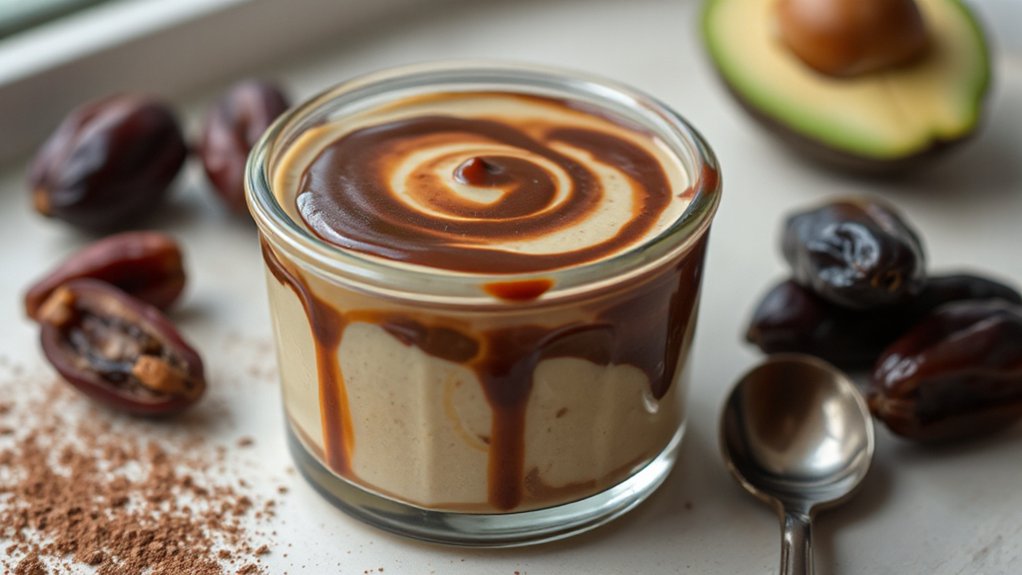
Despite its indulgent texture, this trio—chocolate, avocado, and dates—keeps ingredients lean and nourishing. You’ll notice a velvet mouthfeel built from ripe avocado and cocoa, not heavy dairy.
The dates provide natural sweetness and a hint of caramel, reducing the need for added sugars. In practice, this combination supports satiety without heaviness, helping you stay on track with balanced desserts.
Chocolate avocado delivers healthy fats and antioxidants, while dates supply fiber and minerals that support steady energy.
When you blend these components, you create a creamy base that’s easy to customize with vanilla or a pinch of sea salt.
For a crowd, serve as a dessert dip or spoonable treat, enjoying the date creaminess without guilt.
Chocolate avocado, date creaminess.
Quick-Start Guide: Customize, Store, and Troubleshoot Dessert Juices
You can tailor dessert juices to your taste by starting with a simple customize-and-taste approach, noting which flavors or textures you prefer.
Keep it practical: store tips focus on temperature, container quality, and labeling, so your juices stay fresh and safe.
If issues pop up, use a quick-troubleshoot checklist to identify adjustments in sweetness, texture, or separation, then test one change at a time.
Customize Quick Tips
Curious how to tailor your dessert juices quickly? You can customize with confidence by leaning on simple, practical tweaks that respect flavor balance and texture. By testing small batches, you’ll learn what tastes like a treat while keeping nutrition on your side. Use evidence-based tweaks—adjust sweetness gradually, balance acidity, and consider temperature to sharpen aroma.
- Flavor pairings: start with complementary fruits and herbs, then rotate one ingredient to map your preferred profile.
- Ingredient substitutions: swap citrus varieties or milks to alter brightness or mouthfeel without derailing the base recipe.
- Texture tweaks: add a splash of ice, cream, or a puree to achieve silkiness or sparkle.
- Quick notes: log results to reproduce successes and strengthen your juice-creating community.
Store and Troubleshoot
When you’re ready to store or troubleshoot dessert juices, start with a simple, evidence-based plan: keep flavors intact by cooling promptly, separating components if needed, and labeling batches clearly so you can reproduce or adjust recipes later.
Storage tips include airtight containers, fridge temperatures around 34–40°F (1–4°C), and marking date and batch.
For long-term care, freeze ready-to-use portions in scoopable amounts and thaw safely to preserve texture and taste.
Troubleshooting methods focus on texture, separation, and off-notes; re-emulsify with gentle shaking or stirring, and re-balance sweetness or acidity as needed.
Trust your taste and document tweaks. This approach helps you belong to a kitchen community that values reliable results, consistency, and practical, science-based guidance.
Frequently Asked Questions
How Long Do Dessert Juice Flavors Last After Blending?
Dessert juice flavors last about 24 hours in the fridge; beyond that, flavor fades. For better flavor preservation, store cold, airtight, and away from light. Follow storage tips, and taste-test freshness before serving your group.
Can Kids Safely Drink These With Lactose Intolerance?
Yes, your kids can drink them safely if you choose dairy free alternatives and lactose free ingredients. Look for certified lactose-free juices, avoid dairy add-ins, and monitor for sensitivities; prepare small portions to confirm tolerance, then share together.
Are There Low-Sugar Swaps for Sweeter Desserts?
Yes. Picture bright berries and smooth yogurt, then swap in sugar alternatives with flavor enhancers like vanilla or cinnamon. You’ll taste sweetness with less sugar and still feel included, supported, and confident in practical, evidence-based choices.
Which Fruits Cause the Most Cloudiness in Blends?
You’ll find that tropical and citrus fruits cause the most cloudiness in blends. Cloudiness caused by fiber and pectin varies; for better fruit juice clarification, strain or use a fine mesh, and combine with clearer varieties.
Can I Batch-Make Juices for the Week Ahead?
Yes, you can batch-make juices for the week—plan portions to preserve nutrients. A 3–4 day fridge window works best; 1 statistic: nutrients drop 15–20% after 48 hours. Use juicing equipment and storage containers diligently. You belong here.
Conclusion
You’ve got a solid framework for dessert-worthy juices that don’t derail your health goals. By pairing naturally sweet fruits with creamy yogurts or plant milks, you keep sugar in check while still satisfying indulgent cravings. Use cacao, vanilla, or citrus to build depth, and tailor textures with blending times and add-ins. Think of your blender as a magic wand—transforming everyday produce into treat-like drinks without guilt. Practical, approachable, evidence-backed flavor wins every time.