

Juicing isn’t a waste of money if you use it to supplement, not replace, whole produce. You’ll get quick micronutrients and convenient servings, but you’ll lose fiber and fullness, and sugars absorb faster. Choose ingredients with high nutrient density, batch to save, and keep some pulp or pair juice with whole fruit to improve satiety. Store juice properly and track impact on energy and markers over time. If you keep going, you’ll uncover more practical, evidence-based tips.
Does Juicing Help My Health Goals? A Practical Framework
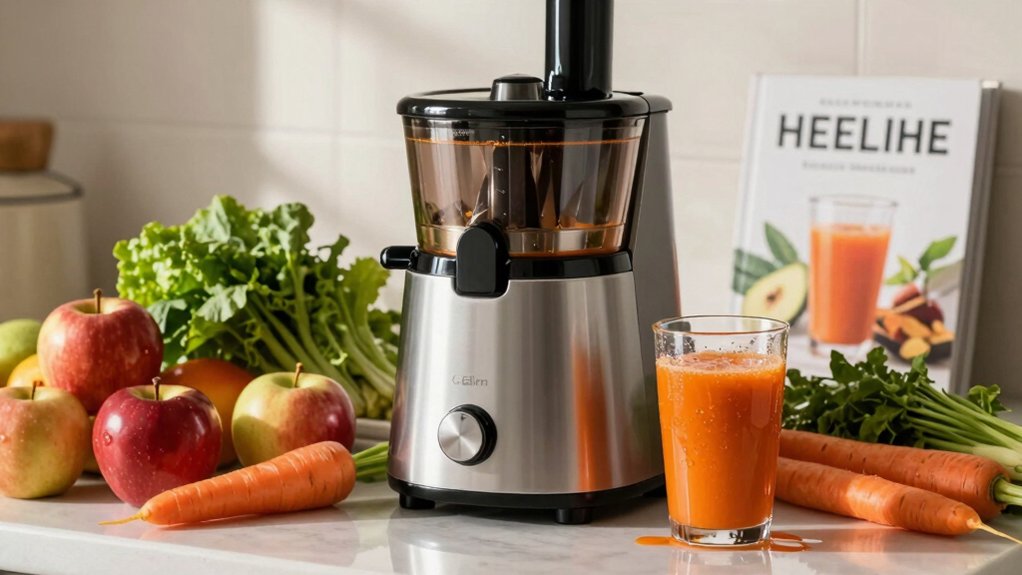
Juicing can support health goals, but its value depends on how you use it. You’ll focus on practical, evidence-based steps that align with realistic outcomes.
Start by clarifying your objective—weight management, blood sugar control, or nutrient coverage—and tailor your juice choices accordingly. Prioritize fruit and vegetable variety to maximize micronutrients, while recognizing that fruit fiber is largely removed in juice, so pair juices with whole fruit or pulp to maintain satiety and glycemic balance.
Monitor juice shelf life: store refrigerated, use fresh, and avoid long storage that degrades vitamin C and polyphenols.
Schedule juicing as a supplementary habit—not a sole strategy—and track changes in energy, digestion, and markers you can measure.
Combine with balanced meals, hydration, and physical activity for meaningful, sustainable progress.
Juice vs. Whole Produce: What You Really Get
If you’ve been weighing the practical value of juicing for your goals, you’re not alone in asking how juice stacks up against whole produce. Juicing delivers quick servings and convenient intake, but it often involves nutrient loss compared to whole fruits and vegetables, especially fiber and some micronutrients sensitive to light and heat.
You’ll typically absorb sugars more rapidly from juice, which can influence satiety and blood sugar responses. Pulp benefits matter: retaining pulp boosts fiber, slows digestion, and supports gut health, while discarding it reduces fullness and may lessen nutrient diversity.
Bottom line: juice offers concentrated vitamins with less satiety, whereas whole produce provides sustained energy and fuller nutrient profiles. Choose based on need for convenience versus fiber and fullness.
Weighing Value: Cost, Time, and Nutrition Trade-offs
Weighing value means balancing upfront costs, time invested, and nutrition outcomes to decide if juicing fits your goals. You compare cost analysis with alternative options, like smoothies or whole produce, to see where juice stands on value.
Time matters: assembly, cleanup, and storage add friction that affects daily adoption. Nutrition data show you may gain convenient vitamins but lose fiber and satiety, influencing overall intake goals.
Weigh the evidence: per-serving cost, nutrient density, and digestion impact vary by ingredients and juice machine quality. If your aim is quick micronutrient access, juice can help; if you seek fullness and long-term adherence, diversify with whole fruit and vegetables.
Focus on practical, evidence-backed decisions that align with your schedule and health targets.
- Cost analysis highlights ingredient and equipment considerations
- Nutritional comparison weighs fiber, sugar, and micronutrient delivery
- Practical decision framing prioritizes feasible, consistent use
Juice Smarter: Practical Budget and Prep Tips
Budget-savvy juicing starts with smart planning and simple prep habits that fit real life. You’ll save money by batching produce purchases, using weekly meal plans, and keeping a grocery list to avoid impulse buys.
Practical prep means washing and chopping once, storing in labeled, airtight containers, and juicing what you’ll actually use. Rely on evidence: prioritize produce with high nutrient density per cost, and blend greens with affordable fruit to balance flavor and nutrition.
Juicing myths often exaggerate waste or time; track leftovers and compost peels to minimize waste. Flavor customization matters—adjust sweetness with seasonal produce, add herbs, or a splash of citrus.
With steady routines, you’ll juice smarter, not harder, and reduce detours into pricey, low-value options.
Decide for You: Is Juicing a Saver or a Splurge?
Juicing can save you money when you juice strategically, but it can also become a splurge if you chase novelty or wasteful habits. You should weigh cost comparison against outcomes rather than impulse purchases.
When you compare ingredients, you’ll notice that cheaper produce and seasonal buys often beat bottled options, increasing value per serving. Focus on fiber-rich veggies and greens to stretch portions, while reserving premium fruits for flavor variety rather than daily use.
Track waste and leftovers to refine your shopping list and portion sizes. If you prioritize whole produce and batch blends, juicing stays cost-efficient and satisfying.
- Cost comparison guides purchase choices and highlights savings
- Flavor variety depends on rotation and seasonal produce
- Practical batching reduces waste and supports budget goals
Frequently Asked Questions
How Does Juicing Affect Fiber Intake Compared to Eating Whole Fruit?
Juicing reduces fiber intake because you remove pulp, causing fiber loss, which lowers satiety, so you may feel hungrier sooner. While juices supply micronutrients, they don’t match whole fruit’s fiber benefits or fullness for lasting energy.
Are Store-Bought Juices as Healthy as Homemade Versions?
Store-bought concerns exist: they’re convenient but often less fresh than homemade, and juice shelf life can shrink nutrients. You compare labels, pick low-sugar options, and prioritize whole fruits alongside, using evidence to guide practical, smarter juicing choices.
Can Juicing Aid Specific Health Conditions Effectively?
Juicing can help, but don’t expect miracles for specific conditions. You’ll likely experience detox benefits and improved nutrient density when combining juices with whole foods, evidence supports steady, personalized plans rather than isolated juicing cures. Monitor symptoms and consult professionals.
Do Organic Produce Prices Justify Juicing Costs?
You can decide with a cost benefit analysis: organic vs conventional produce often costs more, but juicing benefits may offset those costs if you consume nutrient-dense options regularly and minimize waste.
What Equipment Yields the Best Juice With Minimal Waste?
You’ll optimize Juicing efficiency by choosing a wide-mouth, dual-gear juicer and a high-quality blender for pulp. In an Equipment comparison, compare yield, waste, and cleanup times to pick the most efficient option for your needs.
Conclusion
You can decide with evidence, not hype. Juicing isn’t a magic health fix, but it can complement a balanced diet when you’re aiming for concentrated produce or easier fiber-free options. For example, imagine a busy commuter who adds a morning juice of kale, apple, and ginger to boost veggie intake without extra prep. It saves time, but it won’t replace whole fruits and meals. Weigh cost, nutrition, and your routine to determine if it’s a saver or a splurge.