

You can build an immune-boosting juice routine by choosing nutrient-dense ingredients—citrus, greens, and roots—and pairing them with anti-inflammatory notes like ginger or honey. This approach blends vitamin C, polyphenols, and fiber into vessels you already reach for daily, with practical storage tips to keep freshness intact. Want to know which combos maximize taste and benefits without sacrificing convenience? A smarter mix awaits just ahead.
How to Build an Immune-Boosting Juice Routine
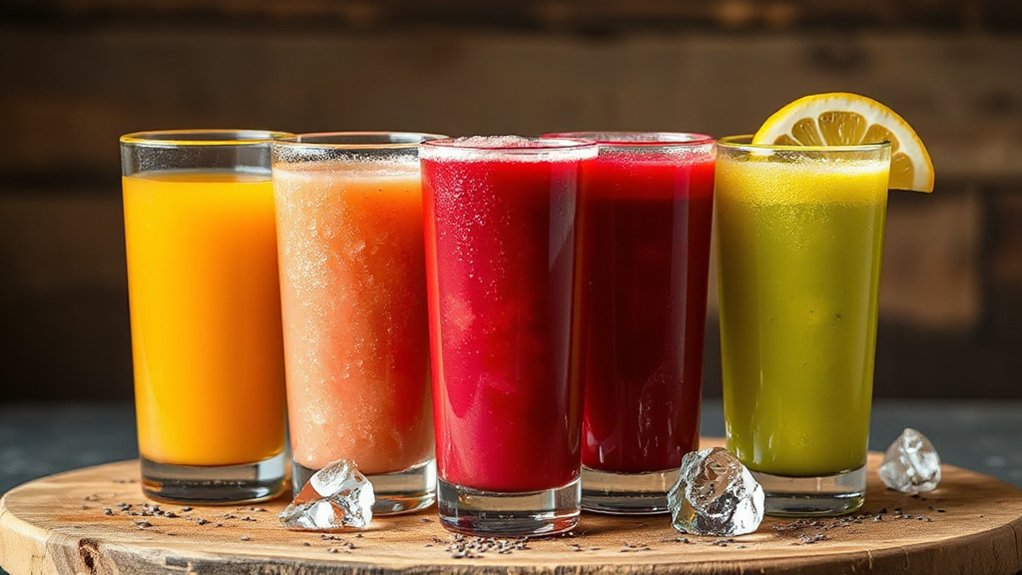
To build an immune-boosting juice routine, start with a simple framework: aim for 1 to 2 servings daily that include a mix of produce rich in vitamin C, polyphenols, and phytonutrients. You’ll benefit from steady, achievable targets you can share with friends and family, reinforcing a sense of belonging.
Build flavor without sacrificing nutrients by prioritizing whole foods, then add herbs and spice accents for balance.
Practical planning matters: choose ingredients you actually enjoy, rotate produce to cover diverse antioxidants, and prep in advance so daily use stays convenient.
Flavor combinations matter—pair bright greens with berries or tart apples to boost appeal.
Ingredient sourcing should emphasize freshness and transparency, supporting local markets and trusted labels you can trust.
Citrus Powerhouses for Immune Support
Citrus fruits deliver a reliable Vitamin C boost, supporting white blood cell function and overall immune resilience.
Mixing citrus varieties—orange, lemon, grapefruit, or tangerine—adds a spectrum of bioactive compounds that may enhance antioxidant benefits.
For practical use, aim for 1–2 servings daily and pair with a balanced diet to maximize your immune-supporting effects.
Vitamin C Boost
Vitamin C is a powerhouse for immune support, and citrus fruits make getting it easy. You’ll notice that a splash of orange, grapefruit, or lemon juice boosts your daily intake without fuss.
Evidence supports vitamin C’s role in short-term illness duration and respiratory health, especially when you’re physically active or stressed.
Pairing citrus with a balanced diet enhances absorption and overall immune resilience.
You’ll also find value in whole fruits, which deliver fiber and sustained nutrition beyond a single nutrient.
Be mindful of myths around mega-doses: more isn’t always better, and supplements aren’t a universal fix.
Herbal remedies aren’t a magic shield; prioritize sleep, hydration, and consistency to support immune function as part of a community-focused, practical routine.
Citrus Variety Benefits
If you’re aiming to boost immune support, variety matters: different citrus fruits bring unique blends of vitamin C, flavonoids, and plant compounds that can work together with your overall diet. You’ll notice that Citrus harvest timing and fruit maturity influence sweetness, acidity, and nutrient balance, affecting how you build an immune-supporting routine.
By choosing a spectrum—from tart to sweet—you access diverse polyphenols that help modulate inflammation and antioxidant capacity. This isn’t about chasing a single “best” fruit; it’s about practical variety you can enjoy daily.
Pair your choices with fiber-rich meals to optimize absorption and satiety. In real life, a rotating citrus lineup supports consistency, belonging, and steady nutrient intake you can trust.
Daily Juice Tips
To turn citrus variety into steady immune support, start with simple daily juice tips that fit real life. You’ll blend evidence-based practicality with easy rituals, choosing powerfully simple flavors and quick tweaks. Focus on flavor pairings that boost palatability and nutrient uptake, and consider ingredient substitutions when needed to fit your pantry. Keep portions realistic to sustain habit, not overwhelm you.
- Flavor pairings: orange with ginger for zing, lemon with honey for soothing sweetness.
- Ingredient substitutions: swap grapefruit for orange if bitterness isn’t your friend.
- Build a routine: a morning glass helps consistency and mood.
- Storage tips: refrigerate fresh juice up to 48 hours to reduce waste and maximize freshness.
Green Juices for Daily Immune Defense
Green juices can be a practical daily habit for supporting immune health, delivering a quick hit of nutrients from leafy greens like kale and spinach along with herbs, cucumber, and citrus.
You’ll notice these blends support overall vitality, not a miracle cure, when paired with balanced eating and sleep.
Choose a base of kale or spinach, add cucumber for hydration, and include a citrus twist for vitamin C.
Herbal infusions can diversify flavor while contributing polyphenols that support immune resilience.
Use small, consistent servings to avoid overwhelm, and rotate greens to minimize oxalate exposure.
Detox strategies aren’t about deprivation; they’re about mindful choices.
Track how you feel, notice energy shifts, and share preferences with your community for ongoing encouragement.
Root and Ginger Blends for Inflammation Relief
- Ground ginger meets bright citrus for a warming, anti-inflammatory sip.
- Root-based blends pair beet, carrot, and parsley to support vascular health.
- Cinnamon and turmeric add depth while enhancing anti-inflammatory effects.
- A touch of honey rounds bitterness, making daily use enjoyable.
Experiment mindfully, track response, and share what works with your community.
Smart Juice Combinations: Balancing Taste and Nutrients
Smart juice combos balance taste with nutrients you actually want to drink daily. You’ll design blends that respect flavor pairings, maximizing enjoyment while preserving vitamin and antioxidant content.
Start with a base like citrus or cucumber for hydration, then add a complementary fruit or green for balance. Practical pairings mean pairing sweetness with acidity to reduce sugar perception, while balancing betalains, carotenoids, and polyphenols for a broad nutrient spectrum.
When you tweak recipes, think about ingredient swaps to suit season, budget, and taste without sacrificing nutrition. Document how each swap affects texture and aroma to maintain consistency.
This approach builds confidence, supports routine use, and fosters community around evidence-based choices that feel like belonging, not obligation.
60-Second Immunity Recipes You Can Make Now
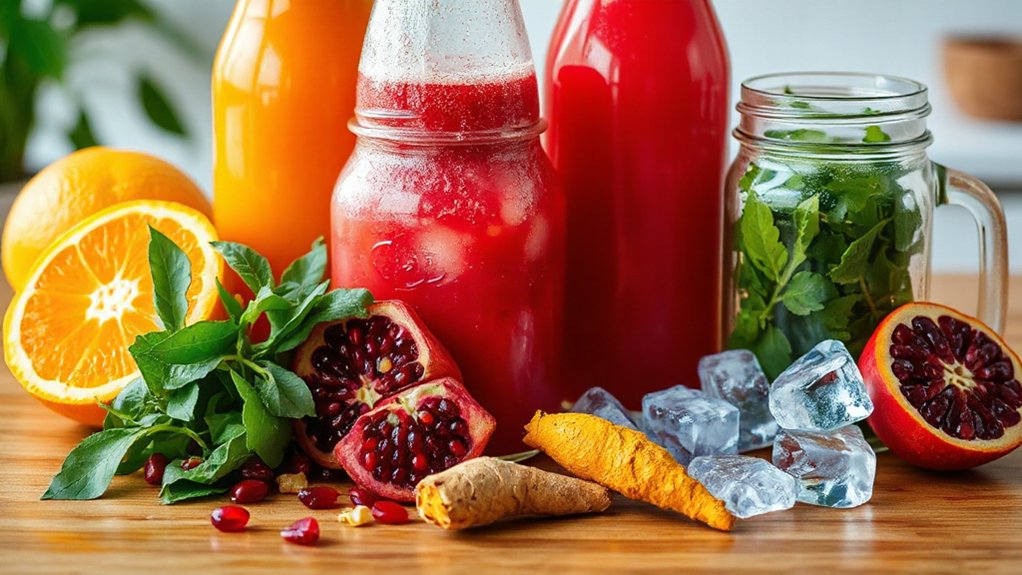
Here are practical immunity-boosting juice recipes you can make now, designed to be quick, affordable, and tasty. You’ll find evidence-based options that fit real-life routines, with simple steps and clear benefits. Each recipe emphasizes herbs, fiber, and hydration, supporting steady energy without crashes. Herbal infusions and smoothie bowls are highlighted as versatile formats you can customize for taste and texture, encouraging ongoing engagement with your wellness goals. You’ll feel connected to a community that values practical health choices you can trust.
- Ginger-turmeric citrus juice: bright, anti-inflammatory base with a zing you can sip daily
- Green herb infusion: spinach, parsley, and mint, a revitalizing, nutrient-dense boost
- Berry smoothie bowl: chia, yogurt, and berries for a comforting texture
- Carrot-apple cleanse juice: balanced sweetness and immune-supporting beta-carotene
How to Choose and Store Immune-Boosting Juices
When choosing immune-boosting juices, look for transparency about ingredients, minimal added sugar, and a balance of fruits and vegetables to maximize nutrients.
Store fresh juice in a clean, sealed container in the refrigerator and use it within 2–3 days to preserve vitamin content and flavor.
Check freshness before drinking—notice aroma, color, and any separation, and shake or stir as needed to evenly distribute nutrients.
Choosing Immune Juices
Choosing immune-boosting juices starts with knowing what you want from them: hydration, nutrients, and taste. You’ll pick blends that fit your routine, not just hype. Focus on evidence-informed combos and practical canons for everyday use.
- Flavor pairings that enhance vitamin uptake and enjoyment
- Ingredient sourcing you can trust, with local, seasonal picks
- Balanced textures and portions for steady energy
- Clear labels and simple ingredients for consistent results
When choosing, prioritize variety across colors, ensuring a spectrum of phytonutrients. Aim for mostly whole fruits and vegetables, with modest natural sweeteners if needed. Freshly pressed or cold-pressed options preserve enzymes, but shelf stability matters too.
Seek transparency on origins, farming practices, and processing. Your goal: sustainable habits, not perfection, so pick juices you’ll actually drink regularly.
Storing Fresh Juices Safely
Staying on top of juice quality starts with smart storage choices that preserve nutrients and flavor. To keep immune-boosting juices fresh, choose a clean Juice container with tight sealing that minimizes air exposure. Store juice in the narrowest container you have to reduce surface area and oxidation.
Chill promptly after pressing or buying, aiming for a Storage temperature around 38–40°F (3–4°C). If you won’t drink it within 24–48 hours, consider freezing in small portions to preserve vitamins and enzymes. Thaw in the refrigerator and consume within 24 hours.
Keep juicers, countertops, and utensils decontaminated to prevent contamination. Label with date and contents, and trust your senses—if aroma or color shifts, discard.
Consistency and routine build confidence in safe, nourishing choices.
Reviewing Juice Freshness
Fresh juice freshness hinges on quick, practical checks and smart storage choices that protect nutrients. You’ll assess color, aroma, and sediment, trusting subtle changes as clues. Remember labeling: production date, sell-by date, and storage guidance inform confidence in quality.
Juice pasteurization and juice packaging influence safety and longevity, so choose products with clear info and minimal processing. Storage in the fridge at or below 40°F (4°C) slows nutrient loss, while consuming within a few days preserves taste and immune-supporting compounds.
- Check dates and material clarity on packaging
- Verify airtight seals and refrigeration after purchase
- Notice color and scent shifts before sipping
- Prefer pasteurized options if you’re seeking reliability in freshness
Frequently Asked Questions
Do Juices Replace Medical Treatment for Immune Issues?
No, juices don’t replace medical treatment for immune issues. You should seek evidence-based care. Herbal remedies and dietary supplements can support health, but use them alongside professional advice, not as substitutes for prescribed therapies.
Can Kids Safely Drink Immune-Boosting Juices Daily?
Yes, you can, but safe daily intake matters; start with small portions. Juice recipes should emphasize balanced nutrients, and ingredient substitutions can reduce sugar. Monitor reactions, and combine with solid fruits, veggies, and proper hydration for consistent immunity support.
Which Fruits Avoid Allergy Risks in Immune Blends?
Did you know 1 in 10 people have fruit allergies? Opt allergy friendly fruits and prioritize immune blend safety. You’ll enjoy mainstream options like apples, pears, and bananas, while avoiding citrus and stone fruits to minimize reactions in your circle.
Do Juice Cleanses Actually Improve Immune Function?
Yes, juice cleanses don’t reliably boost immune function; they’re about hydration and nutrient intake. Rely on evidence-based immune nutrition, choose juice ingredients rich in vitamin C and polyphenols, and pair with balanced meals for sustainable benefits and belonging.
How Do Storage Methods Affect Vitamin C Stability?
Storing matters: you’ll slow Vitamin degradation by minimizing air exposure, chilling promptly, and using opaque containers. Use proper storage techniques, and you’ll maximize vitamin C stability, keeping juices fresher and more potent for your immune-supporting habits.
Conclusion
You can boost daily defenses with a simple routine of citrus, greens, and ginger blends. By swapping processed juices for fresh, minimally processed options, you cut added sugars and maximize nutrients like vitamin C and polyphenols. An eye-opening stat: adults who consume at least one fruit- or veggie-based juice daily show improved antioxidant markers in 8 weeks. Start small, mix flavors you love, and store properly to keep freshness and immune benefits intact.